
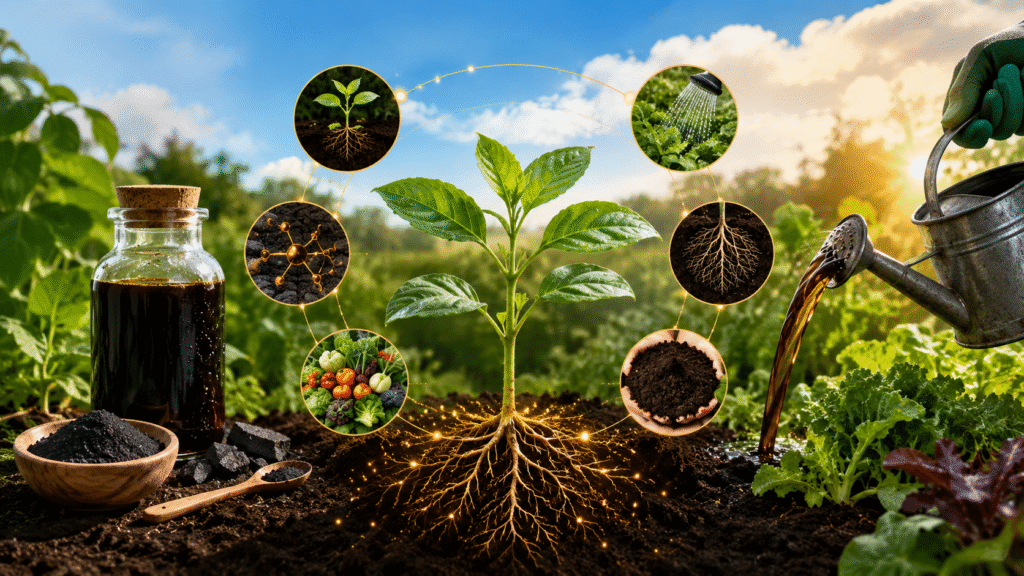
Fulvic Acid is one of the most powerful natural substances you can give to your plants. It is not a synthetic chemical made in a laboratory it is something that has existed in healthy soils for millions of years. Nature created it, and nature uses it every single day to help plants grow strong, absorb nutrients, and survive tough conditions. Think of it as a supercharger for your soil something that wakes up the ground beneath your plants and makes everything work better.
Whether you are a home gardener who loves growing tomatoes on the weekend, or a professional farmer managing hundreds of acres of crops, fulvic acid has something valuable to offer you. It does not matter if your garden is big or small, if you grow flowers or vegetables, or if you are a complete beginner or an experienced grower. The benefits of fulvic acid reach everyone who works with plants and soil.
Understanding how this amazing compound works can completely change the way your plants grow and honestly, it might change the way you think about gardening altogether. Most people focus on sunlight, water, and fertiliser. But very few think about what is happening inside the soil at a microscopic level. That is exactly where fulvic acid does its magic. It works deep in the root zone, inside the plant cells, and even at the molecular level to make sure your plants are getting everything they need to thrive.
Once you understand fulvic acid and start using it, you will likely wonder how you ever gardened without it.
What Is Fulvic Acid?
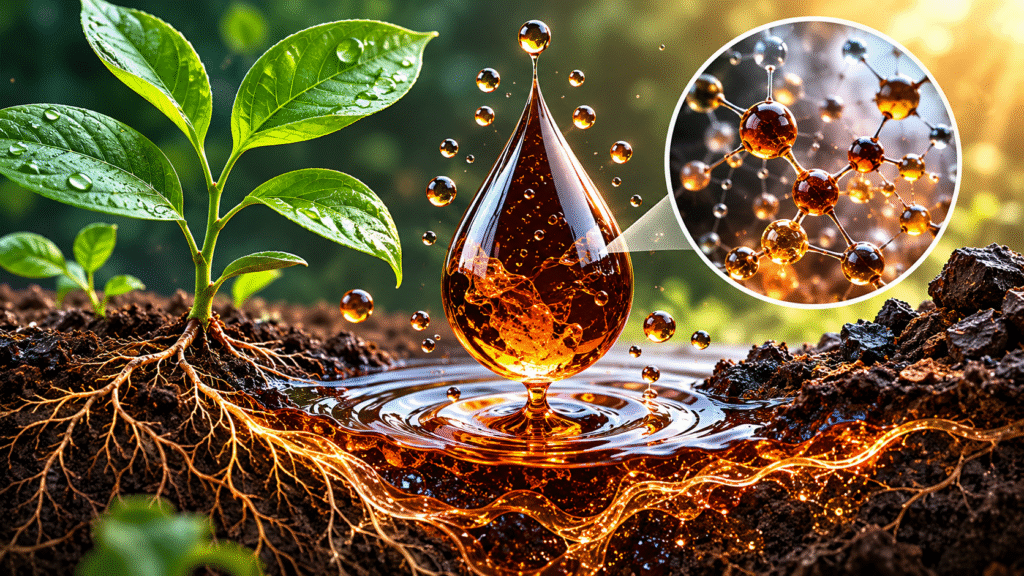
Fulvic acid is a natural organic compound that comes from the soil. It is formed when dead plants, leaves, and other organic matter break down over thousands of years. This slow breakdown process, helped by tiny organisms called microbes, creates a rich golden-yellow substance that is packed with nutrients and minerals.
Think of it like this when leaves fall from trees and slowly rot into the earth, they release their goodness back into the soil. Fulvic acid is part of that goodness. It is one of the two main components of humus (the dark, rich part of healthy soil), the other being humic acid.
The key difference between the two is size. Fulvic acid has a much smaller molecular size than humic acid. This small size is what makes it so special it can travel easily through plant cells and carry nutrients deep inside the plant where they are needed the most.
Why Do Plants Need Fulvic Acid?
Healthy soil is full of fulvic acid naturally. But in today’s world, most agricultural soils have lost a large part of their natural fulvic acid content. This happens because of:
- Overuse of chemical fertilizers
- Soil erosion caused by rain and wind
- Repeated farming without giving the soil time to recover
- Use of pesticides that kill helpful soil organisms
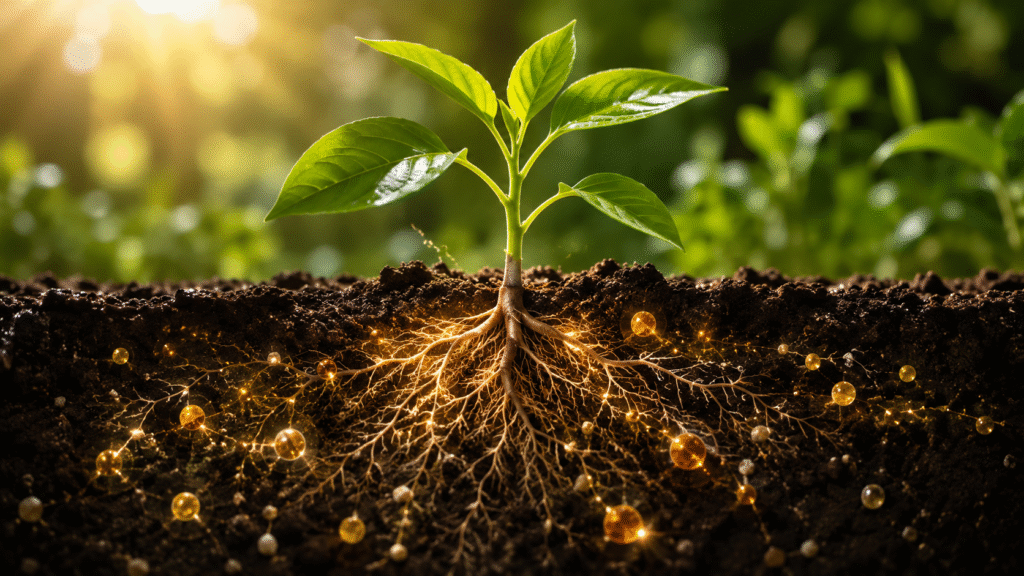
When soil loses fulvic acid, plants struggle to absorb nutrients even if those nutrients are present in the soil. It is like having food on the table but being unable to eat it. Adding fulvic acid back into the soil helps plants “unlock” those nutrients and use them properly.
Top Benefits of Fulvic Acid for Plants
1. Better Nutrient Absorption
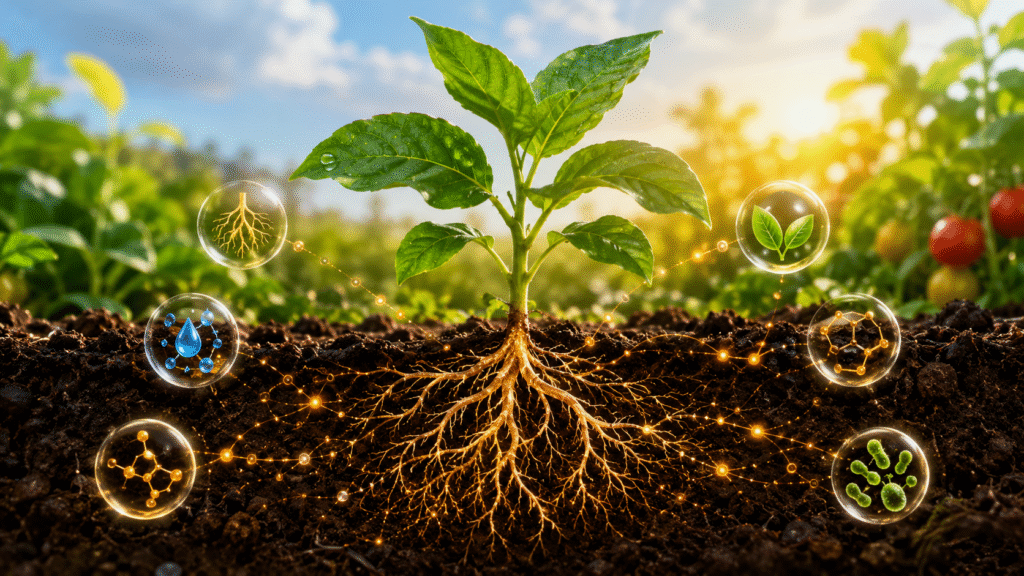
One of the biggest benefits of fulvic acid is that it helps plants absorb nutrients more effectively. It acts like a “key” that opens the door for nutrients to enter plant cells. It grabs onto minerals like iron, zinc, calcium, and magnesium and carries them directly into the plant. This process is called chelation.
Without this, many minerals just sit in the soil and never actually help the plant. With it, plants get the full benefit of every nutrient present.
2. Stronger Root Development
Fulvic acid helps roots grow longer, thicker, and stronger. Strong roots mean the plant can pull more water and nutrients from deeper in the soil. This is especially helpful during dry weather when the top layer of soil dries out quickly.
Plants with better root systems also stand up better to storms and are harder to pull out of the ground which means less damage from wind and physical stress.
3. Improved Water Retention in Soil
Fulvic acid helps soil hold water for longer. Instead of water running off the surface or draining too fast, it stays in the root zone where plants can actually use it. This is great for gardeners who want to save water and reduce how often they need to irrigate.
It also improves the overall structure of the soil, making sandy soils hold more moisture and loosening up clay soils so roots can breathe and grow freely.
4. Faster Plant Growth
When plants can absorb nutrients easily and have access to enough water, they grow faster. Many gardeners and farmers report that after using fulvic acid, their plants look greener, healthier, and grow noticeably quicker.
This faster growth happens because the plant is not wasting energy trying to break down nutrients on its own. The fulvic acid does much of that work, so the plant can focus on growing.
5. Increased Resistance to Stress
Plants face many types of stress drought, heat, cold, pests, and disease. Fulvic acid helps plants handle these challenges better. It strengthens the plant’s immune system by stimulating the production of natural defence compounds inside the plant.
For example, during a dry spell, a plant treated with fulvic acid will wilt less quickly and recover faster once water becomes available again.
6. Improved Photosynthesis
Fulvic acid supports the production of chlorophyll the green pigment in leaves that captures sunlight and turns it into energy. More chlorophyll means the plant can photosynthesize more effectively, which leads to better growth and higher crop yields.
You can actually see this effect plants treated with fulvic acid often have a deeper, richer green colour compared to untreated plants.
7. Detoxification of Heavy Metals
This is a lesser-known but very important benefit. In polluted soils, heavy metals like lead, mercury, and cadmium can harm plants and even end up in the food we eat. Fulvic acid can bind to these harmful metals and make them inactive, reducing their damage to the plant and preventing them from entering the food chain.
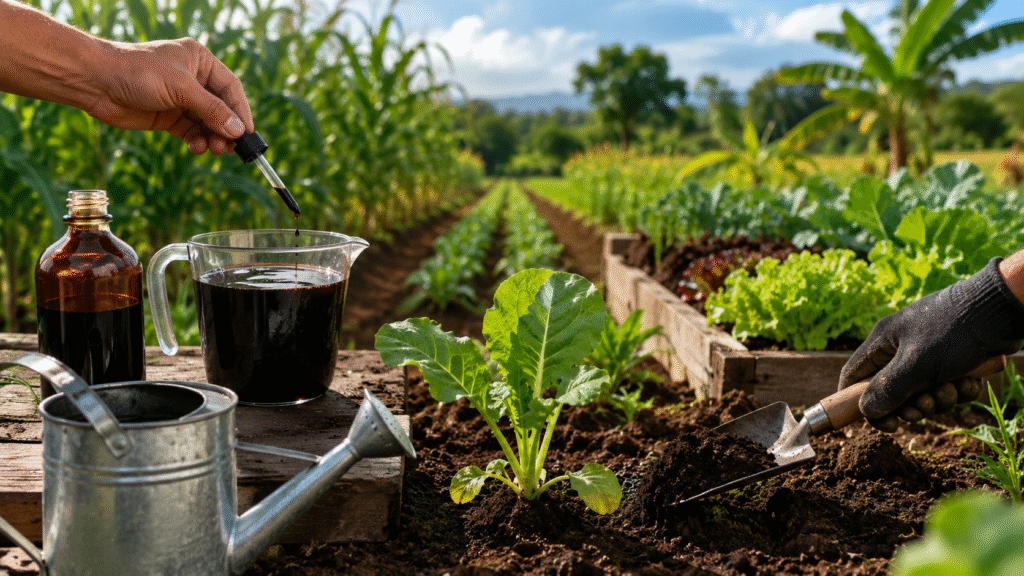
How to Use Fulvic Acid in Your Garden or Farm
Fulvic acid is available in liquid and powder forms. Both work well, but liquid forms are generally easier to apply and faster to absorb. Here are the most common ways to use it:
Soil Drench (Root Zone Application)
This is the most popular method. You mix fulvic acid with water and pour it directly onto the soil around the base of your plants. It soaks down into the root zone and gets to work quickly.
How to do it:
- Mix 5 to 10 ml of liquid fulvic acid per litre of water (always follow the product instructions)
- Water your plants as normal using this mixture
- Do this once every 1 to 2 weeks during the growing season
Foliar Spray (Leaf Application)
In this method, you spray a diluted fulvic acid solution directly onto the leaves of the plant. The leaves absorb it through tiny pores called stomata. This method is great for giving plants a quick boost, especially when you notice signs of nutrient deficiency.
How to do it:
- Mix 2 to 5 ml of liquid fulvic acid per litre of water
- Spray evenly on both the top and bottom of the leaves
- Do this in the early morning or evening to avoid the solution drying too fast in hot sun
- Repeat every 7 to 14 days
Seed Soaking
Soaking seeds in a diluted fulvic acid solution before planting can give seedlings a head start. It softens the seed coat, speeds up germination, and gives the young plant access to nutrients from the very beginning.
How to do it:
- Mix 1 to 2 ml of liquid fulvic acid per litre of water
- Soak seeds for 2 to 4 hours before planting
- Plant seeds as normal immediately after soaking
Mixing with Fertilisers
Fulvic acid works very well when mixed with liquid fertilisers. It acts as a booster, helping the fertiliser work more effectively. By improving how the plant absorbs nutrients from the fertiliser, you can often use less fertiliser and still get better results which saves money and reduces chemical use.
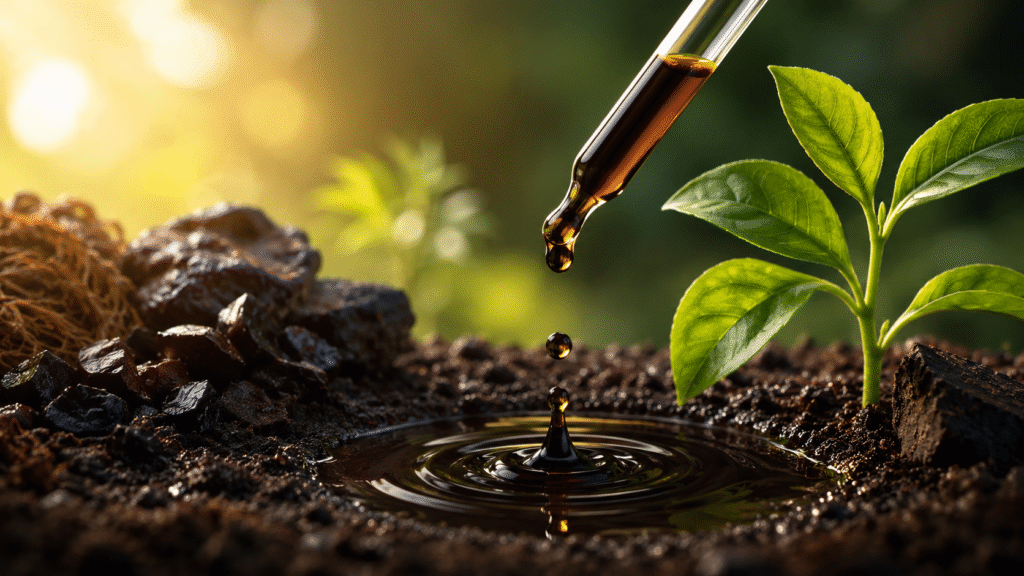
Fulvic Acid: Best Practices for Maximum Results
Getting the most out of fulvic acid is not difficult, but there are a few important things to keep in mind.
1. Use the Right Concentration
More is not always better. Using too much fulvic acid can actually stress your plants. Always start with a lower dose and increase gradually if needed. Read the label on any product you buy and follow the recommended rates.
2. Apply During Active Growth
The best time to apply fulvic acid is when plants are actively growing spring and early summer for most plants. Applying during the main growing period helps the plant make full use of the nutrients being delivered.
3. Do Not Mix with Certain Chemicals
Fulvic acid does not always combine well with products that have a very high or very low ph. If you plan to mix it with other garden products, do a small test first. A good rule of thumb is to always mix fulvic acid with water first before adding other products.
4. Store Properly
Liquid fulvic acid should be stored in a cool, dark place. Sunlight and extreme temperatures can break it down and reduce its effectiveness. Always close the bottle tightly after use.
5. Be Consistent
Fulvic acid is not a one-time fix. For best results, use it regularly throughout the growing season. Most experts recommend applying it every 1 to 2 weeks for soil drenching and every 7 to 14 days for foliar spraying.
6. Combine with Organic Matter
Fulvic acid works even better when the soil already has a good amount of organic matter like compost, worm castings, or aged manure. The two work together to create a rich, living soil environment where plants can truly thrive.
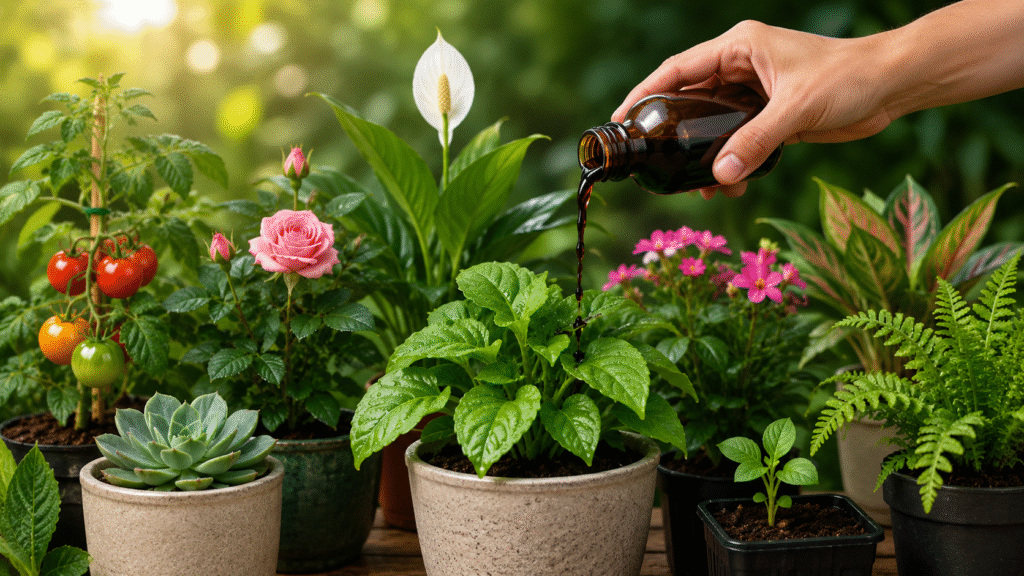
Is Fulvic Acid Safe for All Plants?
Yes, Fulvic acid is safe for almost all plants vegetables, fruits, flowers, herbs, trees, and even houseplants. It is completely natural and organic, so it does not leave harmful residues in the soil or in your food.
It is also safe for the environment. Unlike synthetic fertilisers that can run off into rivers and cause pollution, fulvic acid actually improves soil health and supports biodiversity.
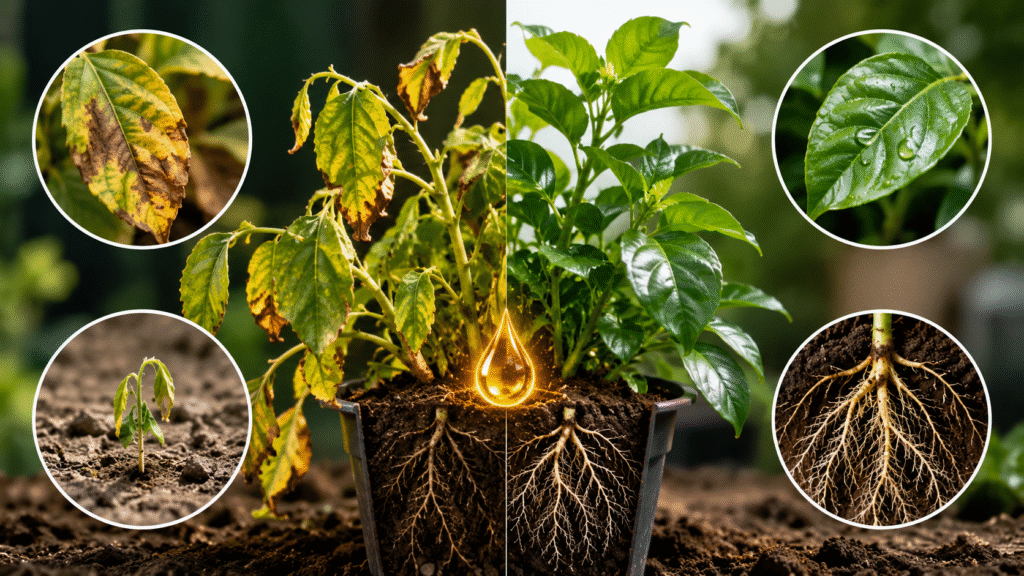
Signs That Your Plants May Benefit from Fulvic Acid
Not sure if your plants need it? Here are some signs to look out for:
- Yellow or pale leaves — This can be a sign of poor nutrient absorption
- Slow or stunted growth — Plants that seem stuck and not growing well
- Wilting despite enough water — Roots may not be functioning properly
- Poor fruiting or flowering — The plant is not producing as it should
- Soil that drains too fast or holds too much water — Soil structure problems
If you notice any of these signs, giving your plants fulvic acid could make a big difference.
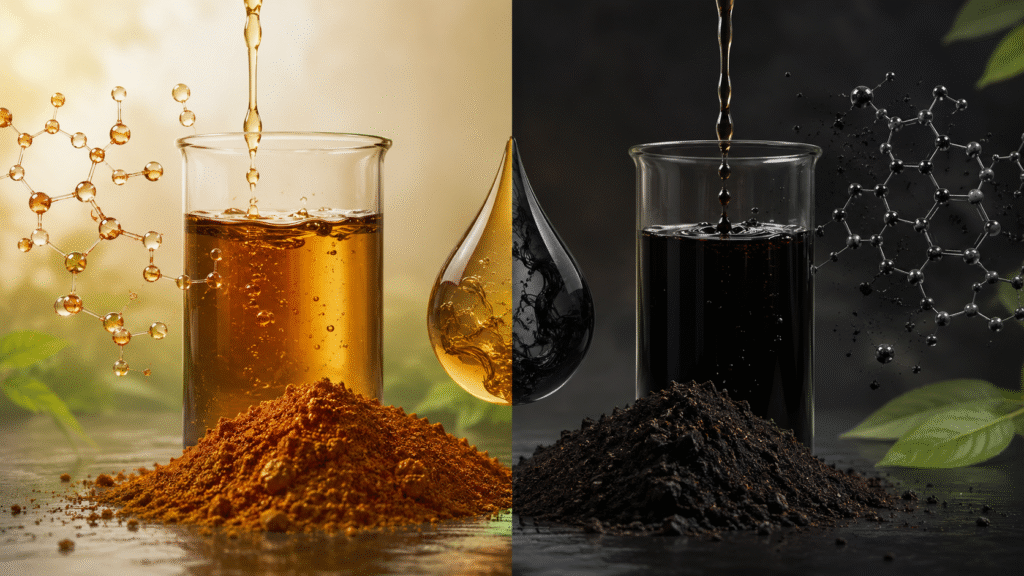
Fulvic Acid vs. Humic Acid: What Is the Difference?
Many people confuse fulvic acid and humic acid because they come from the same source. But they have some key differences:
| Feature | Fulvic Acid | Humic Acid |
| Molecular size | Very small | Larger |
| Colour | Golden-yellow | Dark brown/black |
| Solubility | Dissolves in water at all pH levels | Best in alkaline water |
| Main action | Works inside the plant | Works mainly in the soil |
| Speed of action | Fast | Slower, long-term |
Both are beneficial. In fact, using them together often gives the best results. Humic acid improves the soil structure and feeds soil microbes, while fulvic acid helps plants absorb nutrients directly and quickly.

Real-World Results: What Farmers and Gardeners Say
Farmers who regularly use fulvic acid in their fields often report higher crop yields, better quality produce, and healthier looking plants overall. Home gardeners say their tomatoes, cucumbers, and peppers grow bigger and taste better after using it.
What is especially encouraging is that these improvements often come with less reliance on chemical fertilisers. Because fulvic acid makes nutrients more available, plants do not need as much fertiliser to reach their full potential. This means lower costs and a smaller environmental impact.
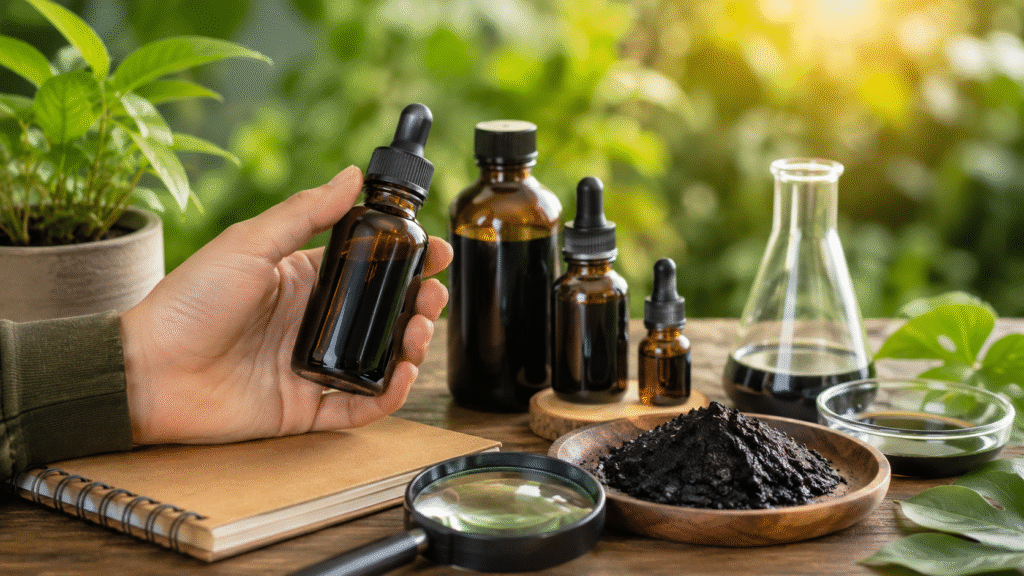
Choosing a Good Fulvic Acid Product
When shopping for fulvic acid, here is what to look for:
- High fulvic acid content — Look for products with at least 10–15% fulvic acid concentration for liquid products
- Source quality — Products derived from leonardite (a type of oxidised lignite) or ancient humus deposits tend to be high quality
- No fillers or additives — Pure fulvic acid products are always better
- Reputable brand — Read reviews and look for brands that share lab test results
Avoid cheap, unknown products that may not contain the amount of fulvic acid they claim on the label.

Final Thoughts from Maalibhaiya
Fulvic acid is truly one of nature’s best gifts for plants. It improves nutrient absorption, strengthens roots, boosts growth, and helps plants handle stress. Whether you are growing food, flowers, or simply trying to keep your garden looking beautiful, adding fulvic acid to your plant care routine is a smart, natural, and effective choice.
The best part? It works with nature, not against it. By bringing fulvic acid back into your soil, you are doing what nature intended creating a healthy, balanced growing environment where plants can truly shine.
Start with the simple soil drench method, be consistent with your applications, and watch how your plants respond. The results may surprise you.
Frequently Asked Questions About Fulvic Acid
Q1. What exactly is Fulvic Acid and where does it come from?
Fulvic acid is a natural organic compound found in healthy soil. It is formed over thousands of years when dead plants and organic matter slowly break down with the help of tiny soil microbes. It is completely natural nothing artificial or synthetic about it.
Q2. Is Fulvic Acid safe to use on all types of plants?
Yes, fulvic acid is safe for almost every type of plant vegetables, fruits, flowers, herbs, trees, and houseplants. It is 100% natural and organic, so it leaves no harmful chemicals in your soil or in your food.
Q3. How often should I apply Fulvic Acid to my plants?
For soil drenching, apply once every 1 to 2 weeks during the growing season. For foliar spraying directly on leaves, every 7 to 14 days works best. Consistency is the key regular use gives much better results than a one-time application.
Q4. Can I mix Fulvic Acid with my regular fertiliser?
Yes, you can! In fact, mixing fulvic acid with liquid fertiliser makes the fertiliser work even better. It helps your plant absorb more nutrients from the fertiliser, which means you can often use less fertiliser and still get great results.
Q5. How quickly will I see results after using Fulvic Acid?
Many gardeners notice visible improvements like greener leaves and faster growth within 1 to 2 weeks of regular use. However, for deeper benefits like stronger roots and improved soil structure, give it a full growing season to show its real impact.