
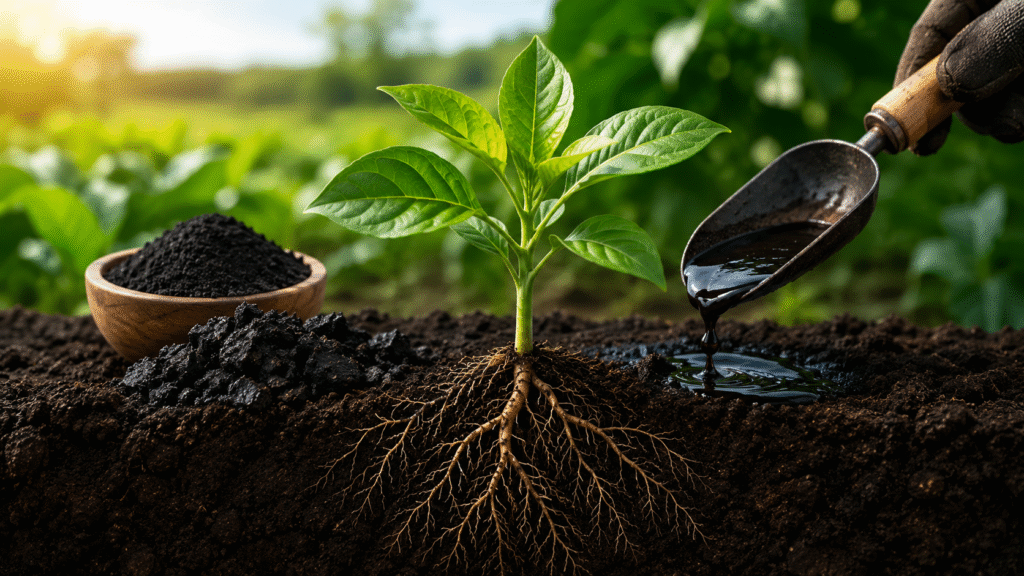
Humic Acid for Plants
If you want healthy plants in your herb garden, humic acid might be the secret ingredient you have been missing. Humic acid is a natural soil booster that helps plants grow stronger, absorb more nutrients, and survive tough conditions. Whether you are a beginner gardener or someone who has been growing plants for years, understanding humic acid can completely change how your garden looks and performs.
Now here is something most people do not realise humic acid is not just for farms or professional gardeners. It works just as well in a pot on your balcony or a small raised bed on your rooftop. The dose just changes depending on how much space you are working with. Humic acid is completely organic, safe for children and pets, and will not harm the environment. It is one of the few inputs in gardening that does good at every level from the tiniest microbe in the soil to the leaves on your plant.
So, whether you are completely new to gardening or you have been growing plants for years and just want better results, this blog is for you. We will walk you through everything what humic acid does, how to apply it, how much to use, and the mistakes to avoid. No confusing terms, no unnecessary science. Just simple, honest advice that works in a real garden.
We believe that every gardener deserves simple, honest, and useful information. So, in this blog, we will explain everything about humic acid what it is, why plants love it, and exactly how to use it. No big words, no confusing science. Just easy-to-understand tips that actually work. Plants treated with humic acid grow stronger roots. And strong roots mean a stronger plant overall one that can handle summer heat, resist disease, and bounce back faster after a dry spell. Whether you are growing mint, basil, coriander, or any other herb, this matters a lot.
Herb garden friendly better water retention stronger roots 100% organic visible results in weeks
Jump to a Topic
- What Is Humic Acid?
- Where Does Humic Acid Come From?
- Top Benefits of Humic Acid for Plants
- How to Use Humic Acid in Your Herb Garden
- Best Ways to Apply Humic Acid
- How Much Humic Acid Should You Use?
- Common Mistakes to Avoid
- Humic Acid vs. Fulvic Acid – What Is the Difference?
- Final Thoughts from Maalibhiya
- Frequently Asked Questions (FAQs)
What Is Humic Acid?
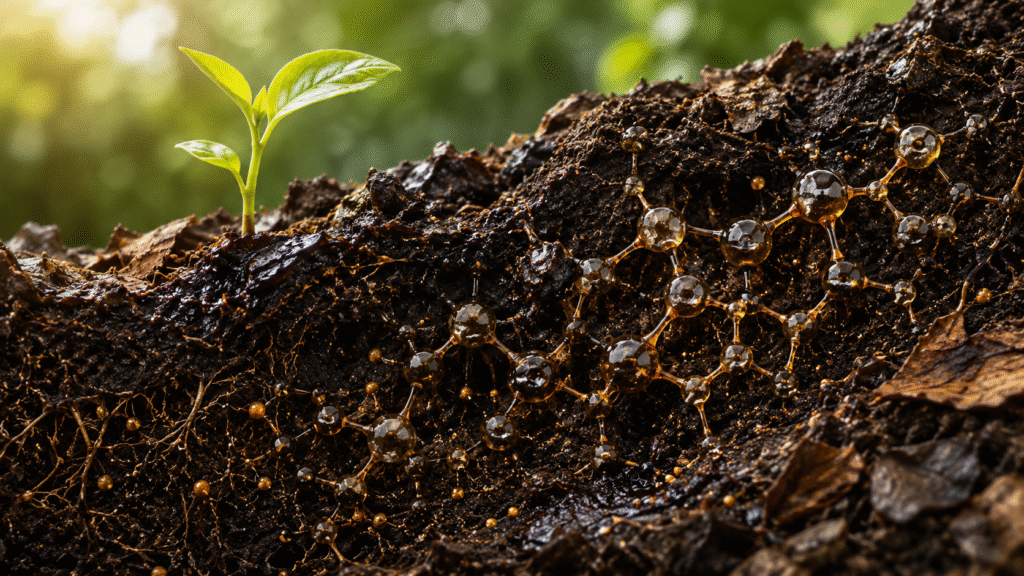
Humic acid is a natural substance that forms when plants, animals, and other living things break down over thousands of years. Think of it like nature’s own recycling system. When leaves fall, animals die, and organic matter piles up in the soil, it slowly turns into a dark, rich material called humus. Humic acid is one of the main parts of that humus.
You cannot see humic acid with your eyes, but it is working hard inside your soil. It acts like a helper that makes the soil better, so your plants can grow the way they are supposed to.
Humic acid is not a fertilizer by itself. But it works side by side with fertilizers to make them much more effective. It helps the soil hold water, feed the roots, and stay healthy for a long time.
Think of your soil as a kitchen. You can have all the ingredients in the world nitrogen, phosphorus, potassium but if the kitchen is broken, nothing good comes out of it. Humic acid fixes the kitchen. It makes the soil porous so roots can breathe, helps it hold moisture so plants do not dry out between waterings, and unlocks nutrients that were already there but stuck in a form the plant could not use.
Improves nutrient uptake by up to 40%
Water retention increases 2–3×
100% Safe for all plant types
Results visible within 3-4 weeks

Where Does Humic Acid Come From?
Humic acid is naturally found in places where organic matter has been building up for a very long time. Some of the most common natural sources include:
- Leonardite – a type of soft coal that is very rich in humic acid
- Peat – wet, spongy soil found in bogs and swamps
- Vermicompost – also known as worm castings, which is one of the best natural sources
- Compost – decomposed kitchen and garden waste
Most humic acid products you buy in stores come from leonardite or peat because these sources are very concentrated. When you buy a liquid or powder form of humic acid, it has usually been processed from one of these natural materials.
Top Benefits of Humic Acid for Plants
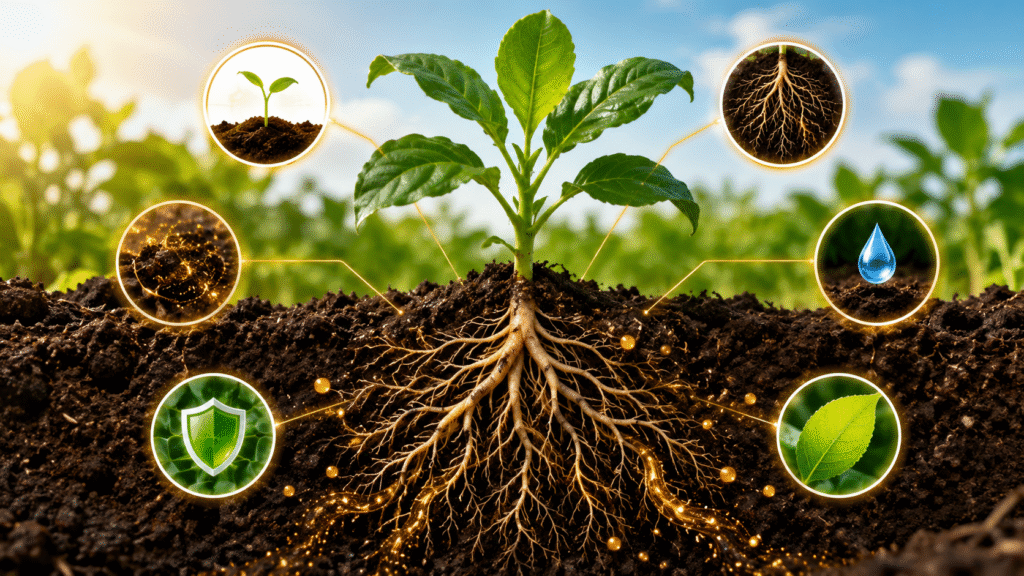
Now let us talk about the most exciting part – why humic acid is so good for your plants. Here are the top benefits you will notice when you start using it regularly:
1. Better Nutrient Absorption
One of the biggest problems in gardening is that plants cannot always absorb the nutrients that are in the soil. The nutrients are there, but the roots cannot pick them up easily. Humic acid solves this problem. It helps break down the nutrients into smaller pieces that roots can absorb much more easily.
This means even if you do not add a lot of fertilizer, your plants can still get the nutrition they need. It is like upgrading your plant’s digestive system.
2. Healthier Soil Structure
Humic acid improves the texture of your soil. If your soil is too hard and compact, humic acid helps loosen it up. If your soil is too sandy and cannot hold water, humic acid helps it stay moist longer. This makes it perfect for all kinds of gardens – including an herb garden where the soil quality really matters.
3. Stronger Root Growth
Plants with deeper and wider roots are always stronger and healthier. Humic acid encourages root growth by giving roots a better environment to grow in. More roots mean the plant can drink more water and collect more nutrients from a bigger area of soil.
4. Better Water Retention
Humic acid acts like a sponge in the soil. It holds water and slowly releases it to the plant roots. This is especially helpful during hot summers when water evaporates quickly. In places like India, where summers can be very intense, this benefit can save your plants from drying out.
5. Increases Resistance to Stress
Plants treated with humic acid are better at handling heat, drought, cold, and even diseases. It strengthens the plant from the inside, making it more tough and resilient. If you have ever had plants that wilted during a hot afternoon or got sick during the rainy season, humic acid can help reduce these problems.
6. Boosts Microbial Activity
Healthy soil is full of tiny microbes – bacteria and fungi that help break down organic matter and feed the plants. Humic acid feeds these microbes and helps them multiply. More microbes mean healthier soil, and healthier soil means better plants. It is a cycle that keeps giving.
How to Use Humic Acid in Your Garden
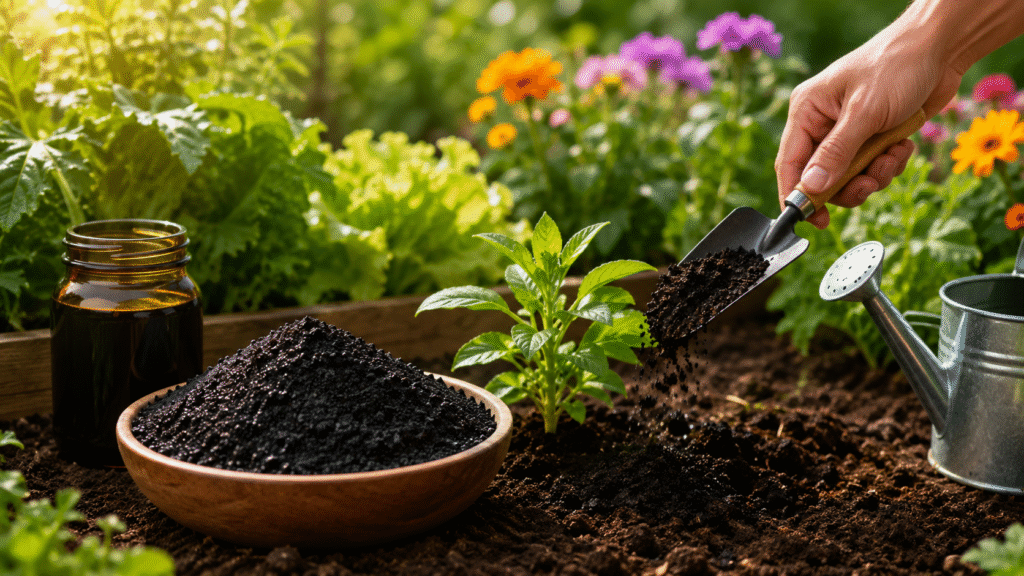
Using humic acid in your herb garden is one of the smartest decisions you can make. Herbs like mint, coriander, basil, curry leaves, and tulsi all grow much better when the soil has good levels of humic acid. These plants are sensitive to soil quality, and humic acid makes the soil a perfect home for them.
Here is how you can use humic acid specifically for herb gardens:
- Mix humic acid powder into the potting mix before planting new herbs
- Add liquid humic acid to water and use it for regular watering once every 2 weeks
- Sprinkle granular humic acid on top of the soil and water it in during the growing season
- Use it along with organic fertilizers like vermicompost or neem cake for even better results
The key to getting results in your herb garden is to be consistent. Humic acid works slowly and builds up in the soil over time. You will not see a big change overnight, but after a few weeks, you will notice greener leaves, faster growth, and healthier-looking plants.
Best Ways to Apply Humic Acid
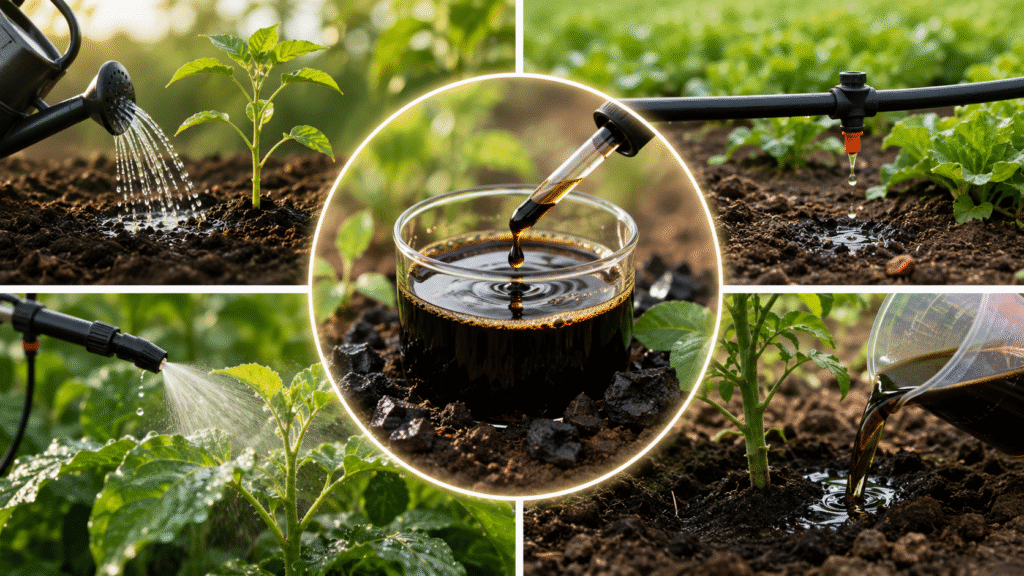
Humic acid comes in different forms, and each form is applied in a slightly different way. Here are the most common forms and how to use them:
Liquid Humic Acid
This is the most popular form and the easiest to use. You simply mix a few millilitres of liquid humic acid into a litter of water and use it to water your plants. This method works fast because the humic acid goes directly into the soil and reaches the roots quickly.
Recommended: Mix 2-3 ml of liquid humic acid per litter of water. Apply once every 10 to 14 days.
Humic Acid Powder or Granules
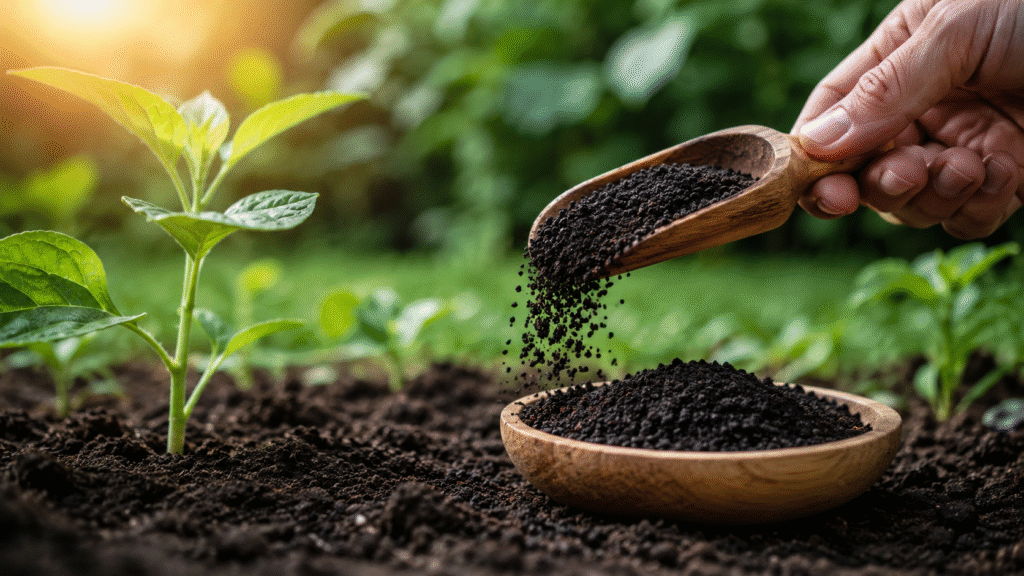
This form is best for mixing into the soil before planting. You can also sprinkle it on the surface of the soil around your plant and water it in. Granules release slowly over time, which means they keep feeding the soil for weeks.
Recommended: Mix 1-2 grams of powder per kg of soil. For granules, sprinkle lightly around the plant base.
Foliar Spray
In this method, you spray a very diluted humic acid solution directly onto the leaves. The leaves absorb the humic acid and it goes into the plant’s system quickly. This method works well when a plant is already stressed and needs fast help.
Recommended: Use a very diluted solution (0.5 ml per litter). Spray in the early morning or evening – never in the middle of the day when the sun is hot.
How Much Humic Acid Should You Use?
Many gardeners make the mistake of using too much humic acid, thinking more is better. But that is not true. Using too much can actually slow down microbial activity and harm your plants. Here is a simple guide to follow:
- For pots and containers: 1-2 ml of liquid humic acid per litter of water, once every 2 weeks
- For garden beds: 5-10 kg of granules per 1000 square feet, mixed into the soil
- For seedlings: Use a very light dose – half the regular amount – since young plants are sensitive
- For established trees: You can apply liquid humic acid every month during the growing season
If you are buying a product from a store, always read the label first. Different brands may have different concentrations, so the dosage on the label should be your primary guide.
Common Mistakes to Avoid
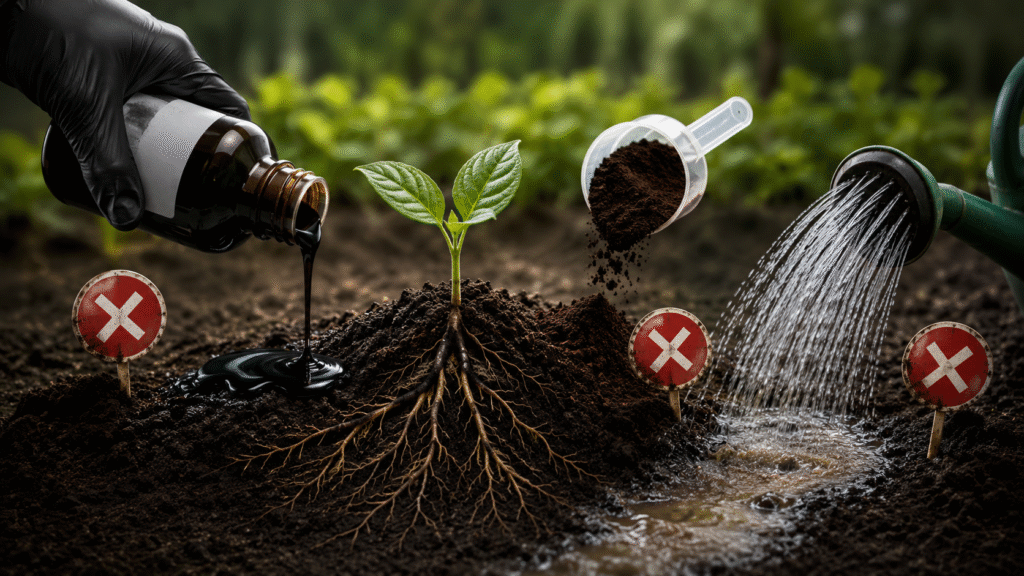
Now that you know how to use humic acid, let us also talk about the mistakes people commonly make. Avoiding these will help you get the best results:
Using Too Much
As mentioned earlier, more is not always better. Too much humic acid can change the pH of your soil and reduce its effectiveness. Stick to the recommended doses.
Mixing with the Wrong Products
Humic acid should not be mixed with calcium-based fertilizers because they can react and reduce effectiveness. Always check product labels before mixing.
Expecting Overnight Results
Humic acid is a long-term soil builder. It does not work like a quick-fix spray. Give it at least 4-6 weeks of consistent use before judging the results.
Not Using It Regularly
Some gardeners use humic acid once and forget about it. For best results, you need to apply it regularly throughout the growing season. Make it a part of your regular plant care routine.
Humic Acid vs. Fulvic Acid – What Is the Difference?
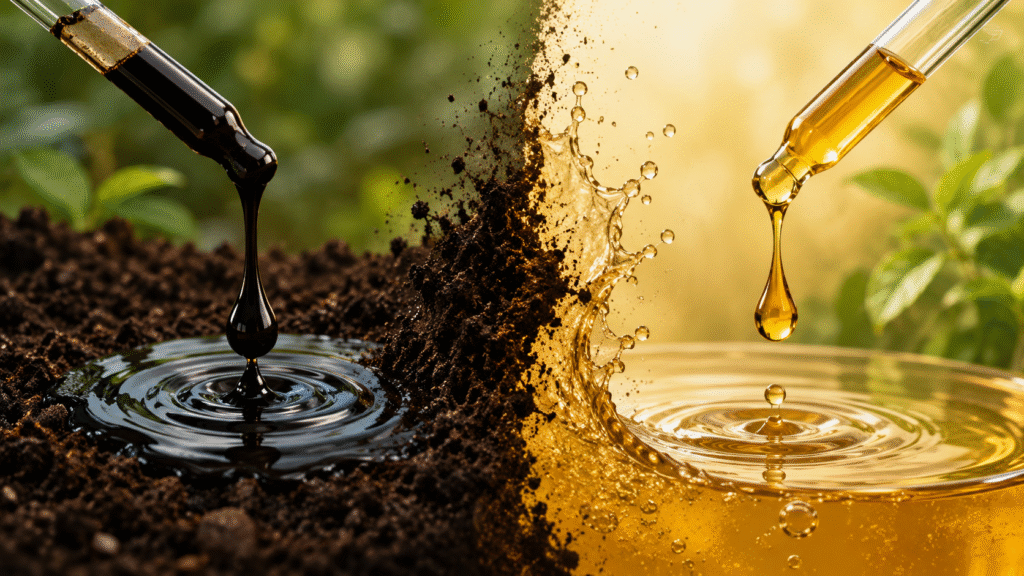
Many people confuse humic acid with fulvic acid because both come from the same natural source – decomposed organic matter. But they are different in some important ways:
- Humic acid has larger molecules and works mainly in the soil to improve its structure and water retention
- Fulvic acid has smaller molecules and can enter plant cells more easily, which means it works faster and is more helpful for quick nutrient absorption
- Humic acid is better for long-term soil health, while fulvic acid is better for quick plant response
- Both can be used together for the best results
Final Thoughts from Maalibhaiya
Humic acid is one of those simple, natural things that can make a huge difference in your garden. It is not expensive, it is not complicated, and it works for almost every type of plant. Whether you are growing a small pot of mint on your balcony or running a full kitchen herb garden on your terrace, humic acid can help your plants become the best version of themselves.
At Maalibhaiya, our goal is to help every Indian gardener grow with confidence. We know that gardening can sometimes feel confusing there are so many products and so much advice out there. But humic acid is one thing that is backed by science, loved by farmers, and proven to work in real gardens.
So, the next time you are shopping for plant care products, look for humic acid on the label. Start with a small amount, be consistent, and watch your herb garden transform into a lush, thriving space you will be proud of.
Happy gardening!
Frequently Asked Questions (FAQs)
Can I use humic acid on all plants?
Yes, humic acid is safe for almost all plants – vegetables, fruits, herbs, flowers, and trees. It works well in gardens, pots, grow bags, and even in hydroponic setups.
Is humic acid organic?
Yes, Humic acid comes from natural, organic sources. It is completely safe for organic gardening and does not harm humans, animals, or the environment.
How quickly will I see results?
For most plants, you will start seeing signs of improvement within 3 to 4 weeks. The leaves will look greener, the plant will grow faster, and the overall health of the garden will improve. But remember, humic acid is a slow and steady worker patience is key.
Can I use humic acid in my herb garden along with compost?
Absolutely, In fact, using humic acid along with organic compost is one of the best combinations for an herb garden. The compost adds nutrients and the humic acid helps the plants absorb those nutrients better. Together, they create a very healthy growing environment.
Where can I buy humic acid in India?
Humic acid products are available at most agricultural supply stores, nurseries, and online platforms. You can also find trusted recommendations for plant care products on Maalibhaiya, where we regularly review and suggest the best inputs for home and kitchen gardeners.