
The Art of Clay: A Beginner’s Guide to Choosing the Perfect Ceramic Pot
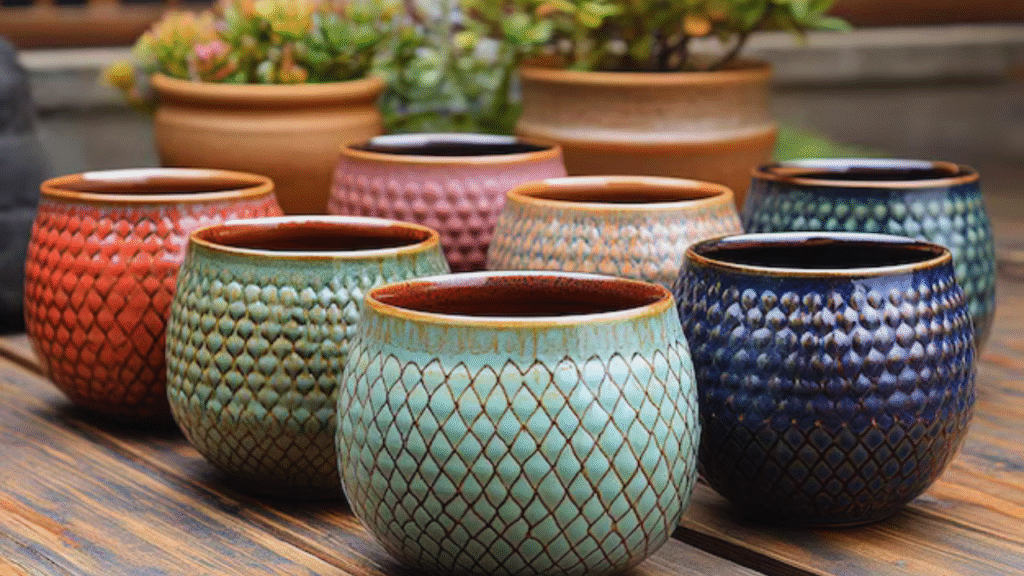
Have you ever walked past a shop window and spotted a beautiful ceramic pot sitting there, looking so good that you just had to stop and stare? You are not alone. A lot of people feel that way. There is just something about a well-made ceramic pot that feels warm, natural, and full of personality. It looks great in a living room, on a kitchen shelf, in a garden, or even on a tiny balcony.
But here’s the thing with so many options out there, picking the right one is not always easy. Do you go big or small? Glazed or natural? Indoors or outdoors? If these questions sound familiar, this guide is exactly what you need.
We have written this blog in plain, simple language. Whether you are a gardening beginner, a home décor fan, or just someone who wants to make their space look nicer, you will find everything you need right here. Let’s get started!
So, What Actually Is a Ceramic Pot?
Let’s start from the very beginning. A ceramic pot is made from clay the same kind of earthy material humans have been using for thousands of years. Potters take a lump of wet clay, shape it into a pot, and then put it inside a very hot oven called a kiln. The extreme heat hardens the clay and turns it into something solid and tough.
Now, after this firing process, the pot can either be left as it is with a rough, natural surface or it can be coated with a liquid called glaze. When the glaze is fired, it turns into a shiny, glass-like layer that sits on top of the clay. This is what gives many ceramic pots their bright, glossy look.
So in short: clay + kiln = ceramic. It’s an ancient craft, but it’s more popular today than ever before. You will find ceramic pots in fancy interior design stores, local craft markets, garden shops, and even big online retailers.
Why Does a Ceramic Pot Beat Plastic Every Time?
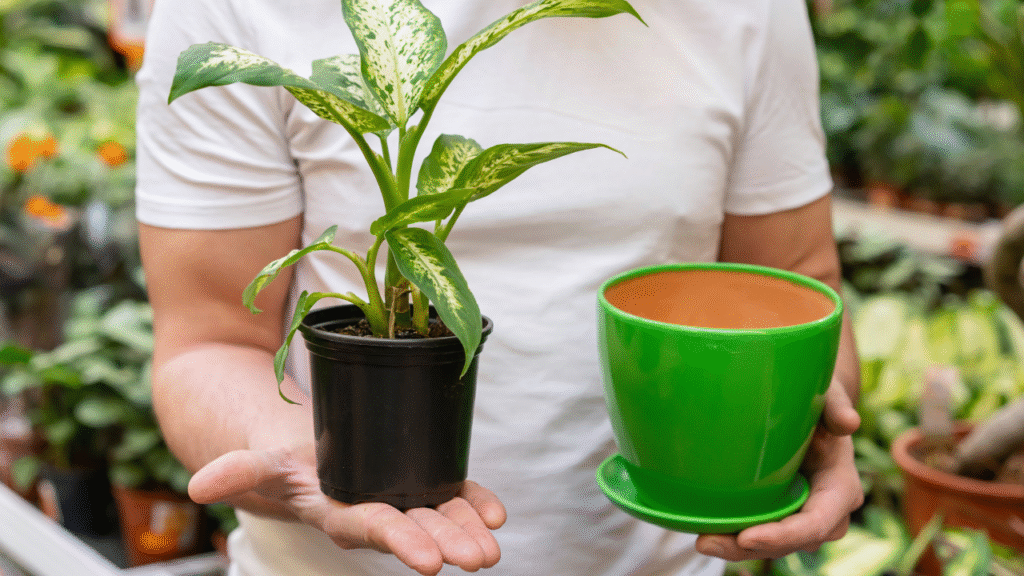
Okay, let’s be honest. Plastic pots are everywhere, and they are cheap. So why should you spend more money on a ceramic pot? The answer comes down to four things: looks, lifespan, plant health, and the environment.
Looks That Impress
Walk into any beautifully decorated home and you will almost certainly spot a ceramic pot somewhere. They add texture, colour, and a handcrafted charm that no plastic container can ever match. From sleek matte finishes to hand-painted folk-art designs, ceramic pots come in styles that suit every taste.
Built to Last
Plastic gets brittle over time. UV rays from the sun cause it to crack and fade within a year or two. Ceramic, on the other hand, keeps its colour and shape for decades. A well-made ceramic pot passed down through a family is not unusual at all.
Happier, Healthier Plants
Unglazed ceramic pots have tiny pores in their walls. Air and moisture can slowly pass through these pores, which keeps the soil from getting waterlogged. Plants like cacti, lavender, and rosemary absolutely love this kind of breathing room around their roots.
Kinder to the Planet
Clay is a completely natural material. It does not release toxic chemicals into your soil or the air. When a ceramic pot eventually breaks, it returns to the earth without causing harm. Choosing ceramic over plastic is a small but meaningful step toward living more sustainably.
Your Complete Guide to Picking the Right Ceramic Pot
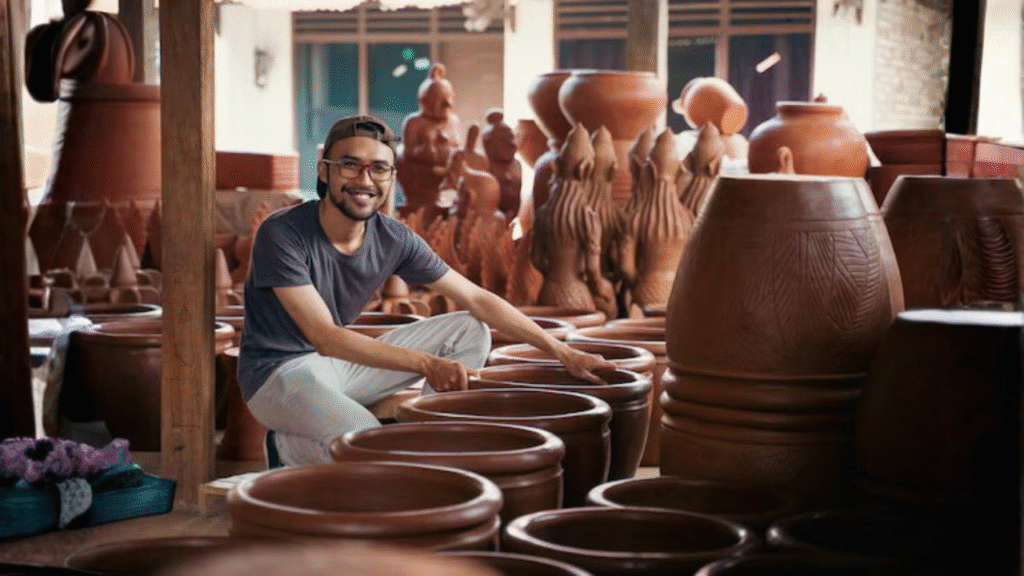
Here is where things get really useful. Let’s walk through the most important factors you need to think about before making your purchase.
Step 1: Get the Size Right
This is the single most important decision you will make. The pot needs to fit the plant not the other way around. If the pot is too tight, the roots will become cramped and the plant will struggle to drink enough water and nutrients. If the pot is far too roomy, the extra soil will hold onto moisture that the roots never use, and that sitting water can rot them.
A reliable guide to follow: when repotting, pick a new pot that is roughly two inches wider in diameter than the one you are moving from. That gives the roots just enough fresh space to spread and grow comfortably without drowning in soil.
Step 2: Always Look for a Drainage Hole
Flip every pot over before you buy it. There should be at least one hole at the bottom. Without this, water collects at the base of the soil and has nowhere to go. Over time, that stagnant water suffocates the roots and invites Mold and bacteria. Most plants simply cannot survive in those conditions.
Found a gorgeous ceramic pot with no hole? No problem. Use it as an outer sleeve place a smaller draining pot inside it. This trick is called double potting, and it gives you the best of both worlds: beautiful looks on the outside and proper drainage on the inside.
Step 3: Glazed or Unglazed?
Both types of ceramic pots are great it really depends on which plants you are growing.
- Glazed pots seal in moisture because the glass-like coating stops water from seeping through the walls. If you are growing tropical houseplants like monsteras, calatheas, or peace lilies that enjoy consistently damp soil, glazed pots are your best friend.
- Unglazed pots breathe. Moisture escapes slowly through the clay walls, which helps the soil dry out faster between waterings. Succulents, cacti, bonsai trees, and Mediterranean herbs like thyme and oregano thrive in unglazed pots.
Step 4: Where Will This Pot Live?
Indoor pots and outdoor pots are not quite the same thing. If you are putting a ceramic pot outside, you need to check that it can handle weather changes. In cold regions, water can seep into the clay and freeze overnight. When water freezes, it expands, and that expansion can crack even a thick, sturdy pot.
When shopping for outdoor use, always look for labels that say “frost-proof” or “weather-resistant.” These pots are fired at higher temperatures and have a denser structure that resists freezing. For indoor pots, you have much more freedom just focus on size, style, and whether the plant prefers glazed or unglazed.
Step 5: Does It Fit Your Home’s Look?
Your ceramic pot should feel like it belongs in the room, not like it was randomly placed there. Here is a quick style cheat sheet:
- Minimalist or Scandinavian homes: Look for soft neutrals, matte finishes, and simple round or cylinder shapes.
- Bohemian or earthy spaces: rough textures, warm terracotta tones, and hand-thrown shapes with visible tool marks work brilliantly.
- Colorful, playful rooms: Go bold with painted designs, geometric patterns, or bright glazes in turquoise, mustard, or coral.
Matching Every Ceramic Pot to the Perfect Plant
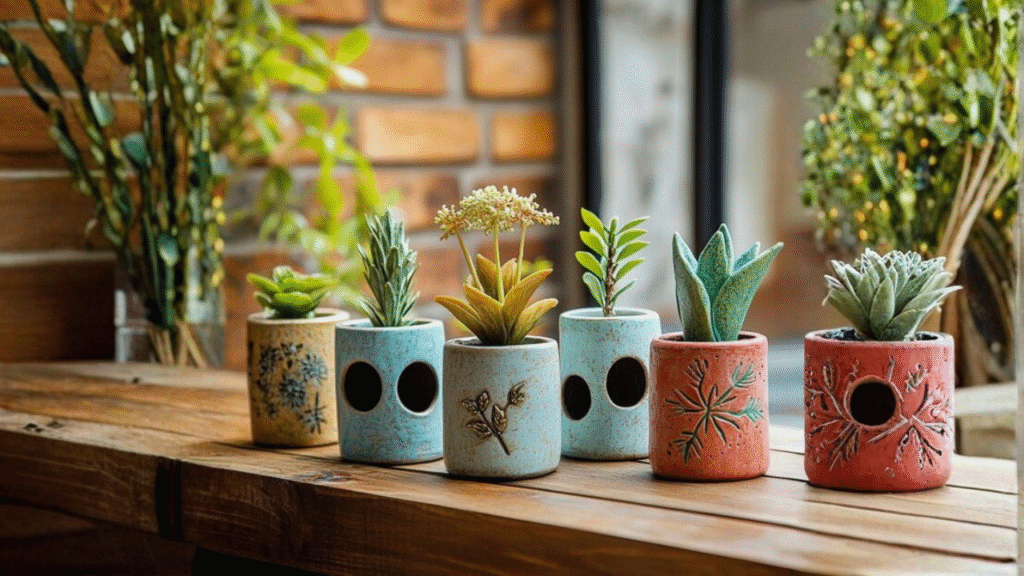
One of the most common beginner mistakes is falling in love with a pot first and only then thinking about what plant will go in it. Ideally, it should work the other way around. Think about your plant first, and then find a ceramic pot that suits its specific needs.
Succulents and Cacti
These tough little plants survive by storing water in their thick leaves and stems. They hate sitting in wet soil. Give them a shallow, unglazed ceramic pot with at least one good drainage hole. Even better, add a layer of pebbles at the bottom to keep water moving freely.
Tropical Houseplants
Monstera, philodendron, pothos, and similar jungle plants want their roots to stay slightly moist at all times. A medium-to-large glazed ceramic pot does this job well. Its sealed walls hold water in the soil longer, so you do not need to water as frequently.
Kitchen Herbs
Basil, mint, parsley, and chives grow happily in small-to-medium glazed pots placed on a sunny windowsill. Keep them near the kitchen so you can snip fresh herbs straight into your cooking. Just remember: herbs like good drainage too, so always check for that hole at the bottom.
Flowering Plants
When you combine a boldly coloured ceramic pot with bright flowers, the result is stunning. Geraniums, petunias, begonias, and marigolds all look spectacular in hand-painted or richly glazed pots. Let the colours of the flowers and the pot complement each other or playfully clash for a fun look.
Keeping Your Ceramic Pot in Top Shape
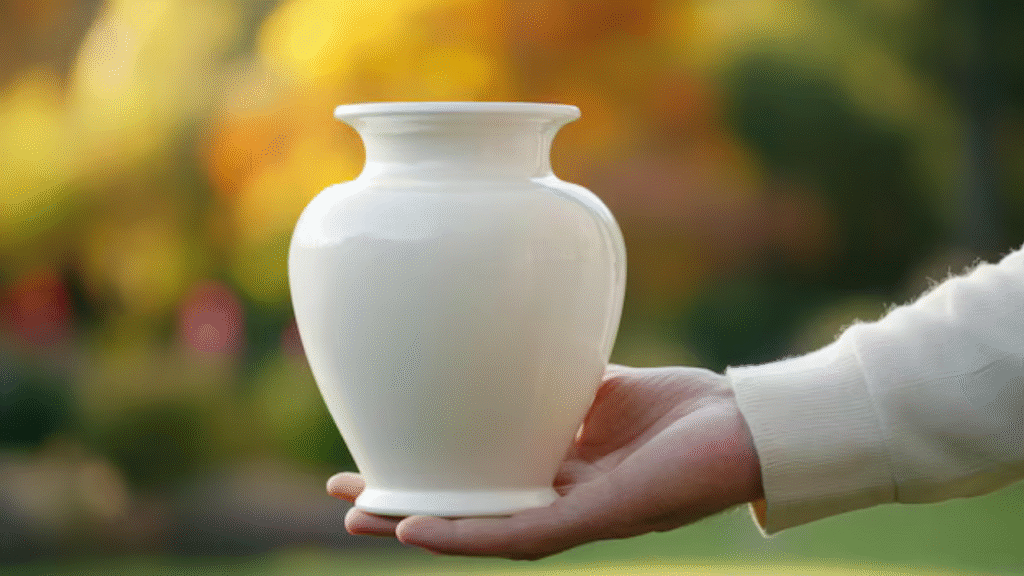
Buying a great pot is only half the story. A little regular care will keep it looking fresh and extend its life by many years. Here are the habits worth building:
- Wipe it down: Dust settles on ceramic surfaces just like it does on furniture. Give your pot a gentle wipe with a damp cloth every couple of weeks. For mineral deposits (the white chalky marks left by hard water), a soft scrub with diluted white vinegar does the trick.
- Protect it in cold weather: Even if a pot is labeled frost-resistant, play it safe. Bring outdoor ceramic pots inside a garage or shed before the first hard frost of the year. A little caution can save you from a cracked pot and a very upset plant.
- Pop a saucer underneath: Saucers catch overflow water after each watering session. This protects your floors, tables, and windowsills from water stains and damage. They also stop annoying puddles from forming on your balcony or patio.
- Move carefully: Ceramic is heavy and fragile at the same time. When you need to shift a large pot, always ask for help. Drag it on a felt pad rather than lifting it alone to avoid dropping it a fall from just a short height can cause a serious crack.
Rookie Mistakes You Can Easily Avoid
Everyone makes a few blunders when they are new to this. Knowing what to watch out for ahead of time will save you both money and frustration.
Going too big, too soon
It feels logical give your plant plenty of room and it will grow faster, right? Not quite. When a plant sits inside a pot that is much too large for it, the soil stays wet for a very long time after watering. That extra dampness creates the perfect conditions for root rot. Go up in size gradually, one step at a time.
Skipping the drainage check
It is surprisingly easy to get swept away by how beautiful a pot looks and forget to check the bottom. Make it a habit every single time, flip it over. No hole means trouble for most plants.
Putting aesthetics before plant needs
Design should support function, not the other way around. A strikingly beautiful ceramic pot that is totally wrong for your plant will leave you with a sick plant sitting inside a gorgeous pot. Figure out what your plant needs first, then go hunting for a pot that is both practical and pretty.
Not testing the quality before buying
Here is a handy little trick used by experienced pottery shoppers: give the pot a gentle flick with your finger. If you hear a clean, bell-like ring, the ceramic is dense and well-fired. A heavy thud suggests internal cracks or weak spots that will cause it to fail sooner than expected.
Why Handmade Ceramic Pots Feel So Special
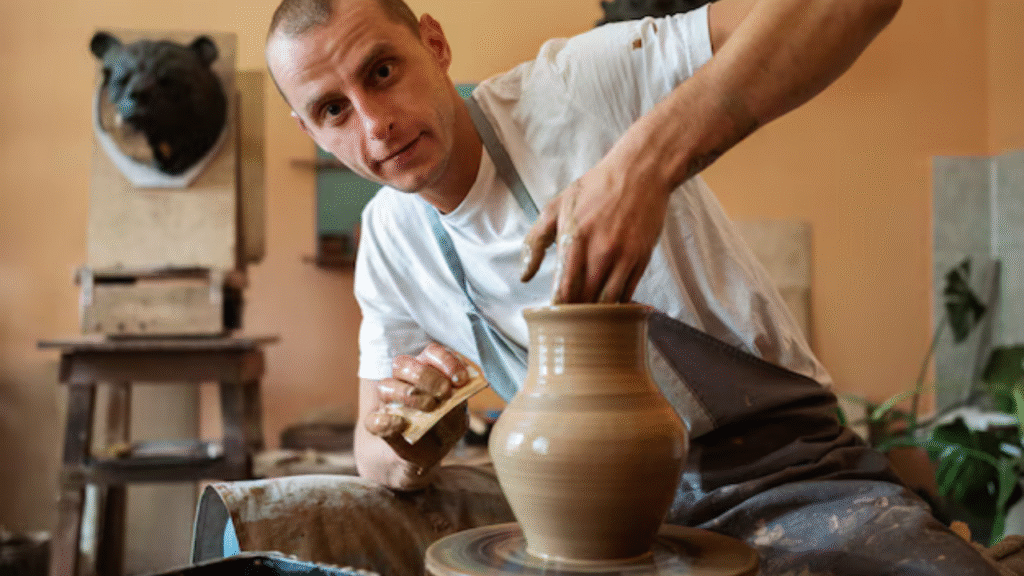
There is a real difference between a mass-produced pot and one that was made by hand on a pottery wheel. When a potter throws clay on a wheel, their hands guide the shape in real time. No two sessions are ever identical, which means no two pots are either. Tiny variations in the curve of the rim, the thickness of the base, or the way the glaze has pooled during firing these are not flaws. They are what make each piece unique.
When you own a handmade ceramic pot, you are holding something that carries the energy and attention of the person who made it. That connection between maker and owner is something mass production simply cannot replicate. It is part of why so many people treasure their handmade pieces for years, even decades.
Once people discover handmade pottery, many of them find it hard to stop. They start noticing the work that goes into each piece the cantering of the clay, the pulling of the walls, the careful trimming, the hours in the kiln. It becomes a hobby and a passion, and their home gradually fills with beautiful, meaningful objects.
Clever Ways to Use Ceramic Pots Around Your Home
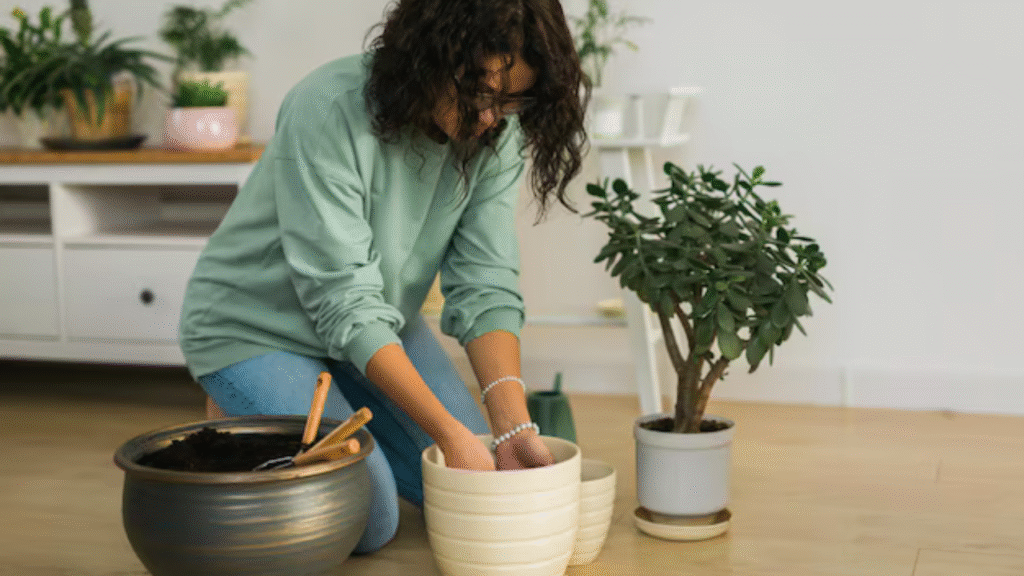
Here is something that surprises a lot of people: a ceramic pot does not have to hold a plant at all. Once you see how versatile these objects are, you will start spotting opportunities to use them everywhere.
- A small ceramic pot on your desk makes a stylish holder for pens, pencils, scissors, or highlighters.
- A medium pot in the kitchen can store wooden spoons, spatulas, or rolling pins right next to the stove.
- Set a tall pillar candle inside a wide ceramic pot for an instant centrepiece on a dining table.
- Fill a shallow pot with pebbles and use it as a tray for rings, earrings, or small jewelry.
- Wrap a beautiful ceramic pot in ribbon and fill it with sweets, chocolates, or bath products for a thoughtful, creative gift that anyone would love to receive.
You really can find a use for a ceramic pot in every single room of your home. It is one of those rare objects that is both functional and genuinely lovely to look at.
Conclusion
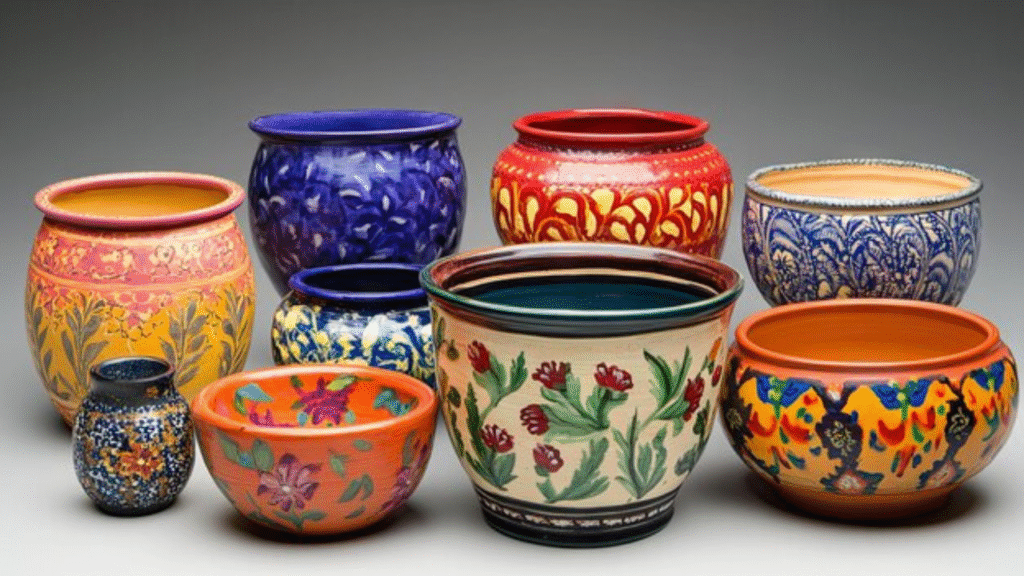
If you have made it this far, you now know more about choosing a ceramic pot than most people who have been gardening for years. You understand the difference between glazed and unglazed, why size and drainage matter so much, how to match a pot to a plant, and where to find something truly special.
The most important thing is to slow down and think before you buy. A ceramic pot is not a throwaway purchase. It is something you are going to look at every single day. So, take your time, trust your instincts, and choose something that genuinely makes you smile when you walk past it.
Start small if you are nervous. Buy one pot for one plant. See how it goes. Learn what you like. Then let your collection grow naturally over time. Before long, you will have a home full of beautiful plants nestled in perfect pots and you will wonder how you ever lived without them.
FAQs about ceramic pot
Q1. What is a ceramic pot made of?
A ceramic pot is made from natural clay that is shaped by hand and then baked at very high heat in a special oven called a kiln. This process makes it hard, strong, and long-lasting.
Q2. Should I choose a glazed or unglazed ceramic pot for my plant?
It depends on your plant. Glazed pots hold moisture longer, so they suit tropical plants like pothos or monstera. Unglazed pots let the soil dry out faster, which is perfect for cacti and succulents.
Q3. Why is a drainage hole so important in a ceramic pot?
Without a drainage hole, water gets trapped at the bottom of the soil. That sitting water can rot your plant’s roots and invite mold. Always check for a hole before buying it is one of the most important things to look for.
Q4. Can I use a ceramic pot outdoors in cold weather?
Yes, but you need to be careful. In freezing temperatures, water can seep into the clay and crack the pot when it freezes. Always look for pots labeled “frost-proof” or “weather-resistant” if you plan to keep them outside in winter.
Q5. Do ceramic pots only work for plants?
Not at all! A ceramic pot can be used as a pen holder on your desk, a kitchen utensil holder, a candle holder, a jewelry tray, or even a gift filled with sweets or bath products. They are useful and decorative in every room of your home.