
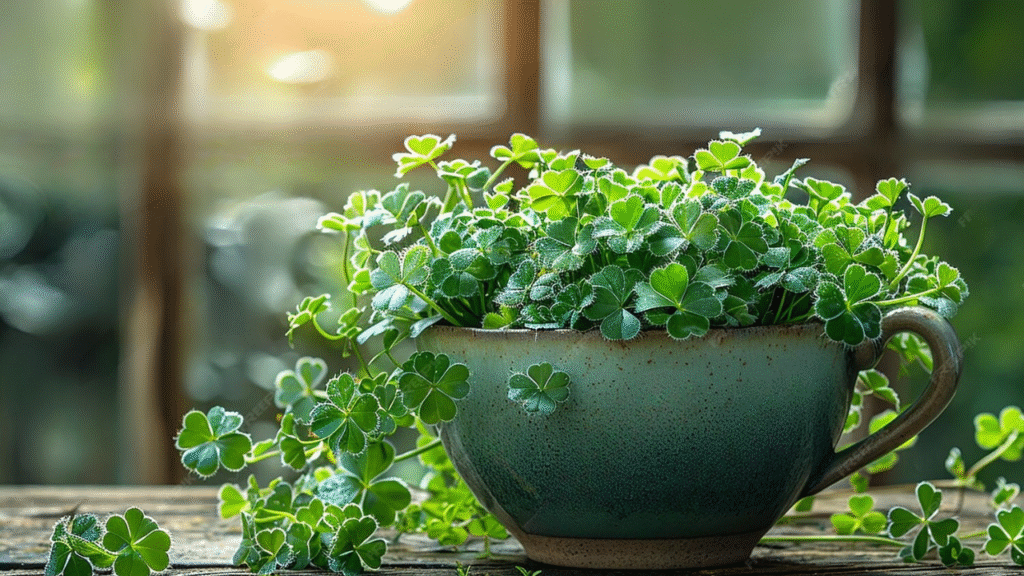
The Brahmi plant is one of the most popular herbs in India and for good reason. It is easy to grow, needs very little care, and is packed with health benefits.
Have you ever wanted to grow your own medicinal herbs at home but did not know where to start? The Brahmi plant is the perfect choice for beginners. Whether you live in a house with a big garden or a small apartment with just a balcony, you can easily grow this wonderful herb. It does not need much space, does not ask for expensive soil, and rewards you with fresh, healthy leaves throughout the year.
In this blog, we will walk you through everything you need to know from what the Brahmi plant is, why it is good for you, how to grow it step by step, and how to take care of it every day. By the end of this guide, you will be ready to start your own Brahmi plant journey.
What Is the Brahmi Plant?
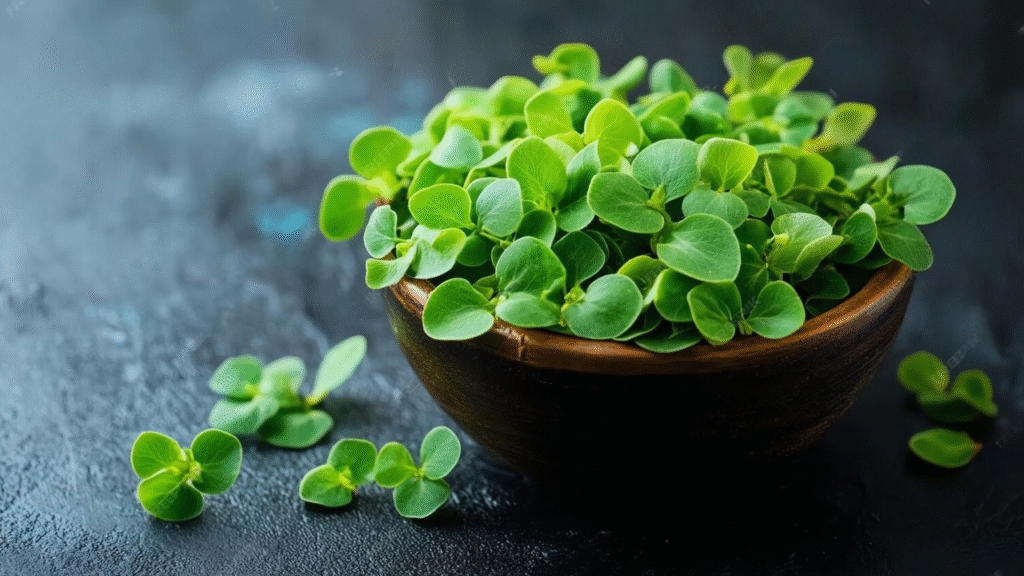
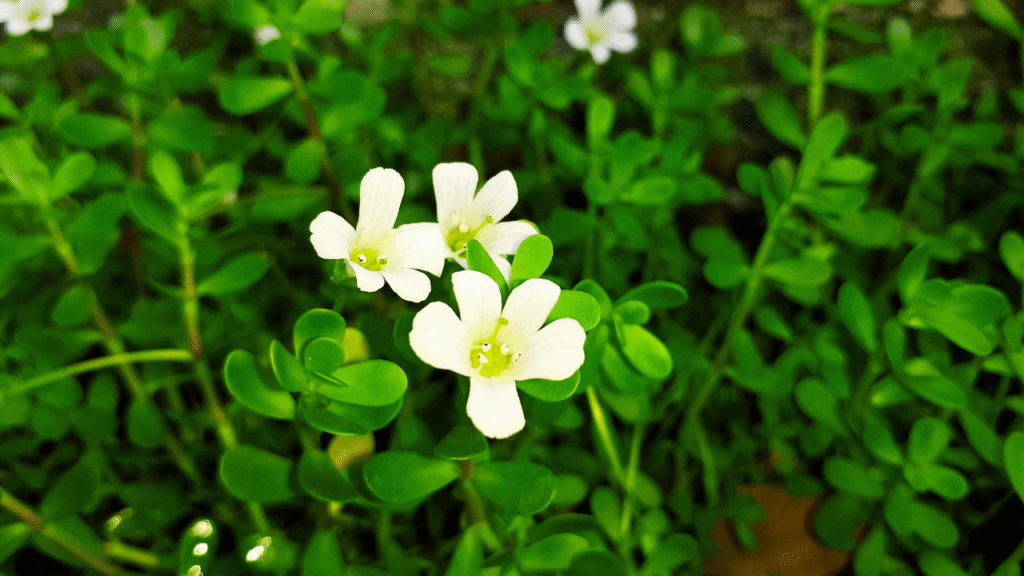
The Brahmi plant, known scientifically as Bacopa monnieri, is a small, creeping herb that grows in wet and marshy areas. It has tiny, thick leaves and small white or purple flowers. In India, it has been used for thousands of years in Ayurvedic medicine one of the oldest systems of natural healing in the world.
The name “Brahmi” comes from “Brahma,” the Hindu god of creation, because the herb is linked to brain power and wisdom. In old texts, it was called the “herb of grace” because of its many healing properties.
People often confuse the Brahmi plant with another herb called Gotu Kola (Centella asiatica). While both are good for the brain, they are different plants. True Bacopa monnieri is the authentic Brahmi plant.
Health Benefits of the Brahmi Plant
Before we learn how to grow it, let us understand why so many people love the Brahmi plant. It is not just a pretty green herb it is like a small powerhouse of goodness!
Better memory & focus – Brahmi is famous for improving concentration and memory, especially for students.
Stress relief – It helps calm the mind and reduce anxiety naturally.
Hair growth – Brahmi oil is used to strengthen hair and reduce hair fall.
Better sleep – A warm cup of Brahmi tea before bed can help you sleep more peacefully.
Skin health – The plant has anti-inflammatory properties that can soothe skin problems.
Liver support – Regular use of Brahmi may help support healthy liver function.
With so many benefits, it makes complete sense to grow the Brahmi plant right at home.
Things You Need Before You Start Growing the Brahmi Plant
The good news is that you do not need any fancy tools or equipment. Here is a simple list of what you will need:
Checklist
1. A pot or container – Any medium-sized pot with drainage holes works great. A pot that is at least 8–10 inches deep is ideal.
2. Soil mix – A mix of garden soil, cocopeat, and compost in equal parts works well. The Brahmi plant loves moist, slightly acidic soil.
3. Seeds or cuttings – You can start your Brahmi plant from seeds, but using stem cuttings is much faster and easier.
4. Water – Brahmi loves water. You may even grow it in a shallow tray filled with water or moist soil.
5. Sunlight – A spot with 4–6 hours of indirect sunlight is perfect.
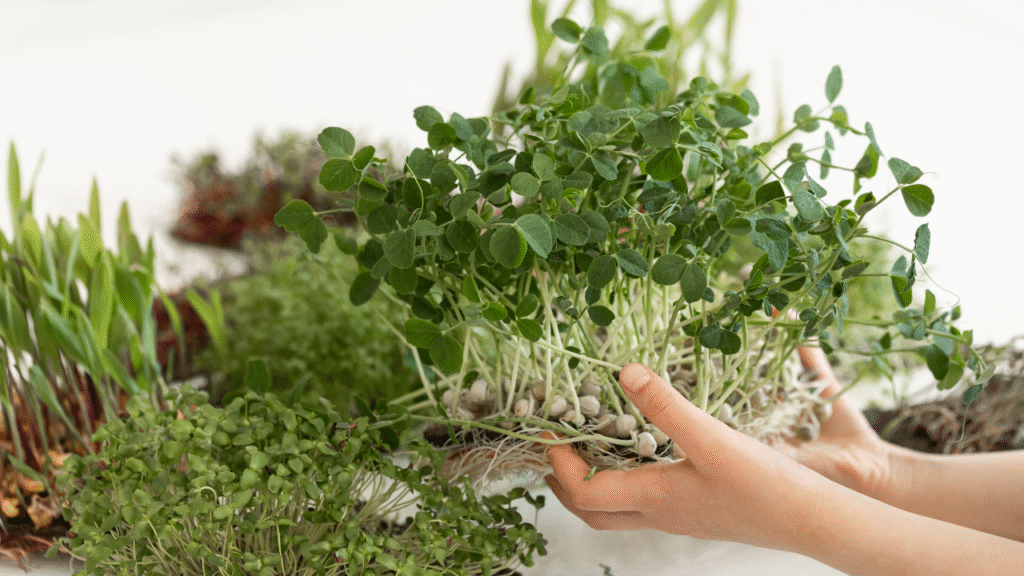
Step-by-Step Guide to Growing Brahmi Plant at Home
Now comes the fun part! Follow these simple steps and you will have a healthy, thriving Brahmi plant in no time.
Choose Your Method
Cuttings are faster than seeds. Pick 4–5inch healthy stems from an existing plant.
Prepare Your Pot
Fill with moist soil mix. Make sure the pot has drainage holes at the bottom.
Plant the Cutting
Push the stem 2 inches into soil. Lightly press the soil around it to hold firm.
Water Generously
Brahmi loves moisture. Water daily or keep the soil consistently damp.
Place in Light
Keep in a bright spot with indirect sunlight. Avoid harsh afternoon sun.
Wait & Watch
New leaves appear in 10–14 days. Roots form within 2–3 weeks.
Starting From Seeds
If you want to grow the Brahmi plant from seeds, sow them on top of moist soil and press them lightly. Do not cover them with soil because they need light to germinate. Spray water gently every day. Seeds usually sprout in 10–15 days. Once they are about 3 inches tall, you can move them to a bigger pot.
Growing Brahmi in Water
Here is something really cool the Brahmi plant can also grow in just water! This method is called hydroponics. Just place a healthy cutting in a glass of clean water, making sure at least one node (the small bump on the stem) is submerged. Change the water every two days. In about a week, you will see small white roots forming. This is a great way to grow it indoors on a windowsill.
How to Take Care of Your Brahmi Plant
Growing the Brahmi plant is easy, but a little regular care will make it grow faster and healthier. Here is a simple care guide:
| Care Factor | What to Do | How Often |
| Watering | Keep the soil moist at all times. Do not let it dry out completely. | Daily or every alternate day |
| Sunlight | Place in bright, indirect light. 4–6 hours is ideal. | Every day |
| Fertiliser | Add a small amount of compost or organic liquid fertiliser once a month. | Once a month |
| Pruning | Trim long stems to encourage bushy, thick growth. | Every 3–4 weeks |
| Repotting | Move to a bigger pot when roots start coming out of drainage holes. | Every 6–12 months |
| Pest control | Spray diluted neem oil solution if you spot small insects or yellowing leaves. | As needed |
Watering Tips
The Brahmi plant is a semi-aquatic herb, which means it naturally grows near water bodies. So, unlike most plants, it does not mind being a little wet. In summer, water it once every day. In winter, you can reduce watering to every other day. If you see the leaves looking dull or droopy, that is your plant telling you it is thirsty!
Sunlight and Temperature
In India, the Brahmi plant grows best in warm and humid conditions which is great because our climate is naturally perfect for it! It prefers temperatures between 15°C to 35°C. During peak summer afternoons, keep it in a shaded spot to avoid leaf burn. If you live in a colder region, growing it indoors near a window works very well.
Common Problems and How to Solve Them
Even the easiest plants can face a few problems. Here are some issues you might notice with your Brahmi plant and how to fix them easily:
1. Yellow Leaves
Yellow leaves are usually a sign of overwatering or too much direct sunlight. Try moving the Brahmi plant to a shadier spot and let the topmost layer of soil dry slightly between waterings. You can also check if the pot has proper drainage waterlogged roots can cause yellowing.
2. Wilting or Drooping Stems
This usually means the plant needs water. The Brahmi plant wilts quickly when it is dry. Give it a good drink of water and it will perk back up within hours!
3. Slow Growth
If your Brahmi plant is not growing fast enough, it may need more nutrients. Add a handful of well-rotted compost or cow dung manure to the soil. This gives the plant a natural boost.
4. Small Insects or Pests
Sometimes you may notice tiny bugs like aphids or whiteflies on the leaves. Mix 5 ml of neem oil in 1 litre of water and spray it on the leaves. Repeat once a week for 3 weeks. This safe, natural treatment protects your Brahmi plant without any harmful chemicals.
How and When to Harvest Brahmi Plant Leaves
One of the most exciting parts of growing your own Brahmi plant is harvesting fresh leaves! Here is how to do it the right way:
Harvesting Guide
When to harvest: You can start picking leaves once your plant is at least 4–5 weeks old and has grown well. Do not harvest from a very young or small plant.
How to harvest: Always pick the leaves from the top or the outer edges of the plant. Use clean scissors or just pinch the stem with your fingers. Never remove more than one-third of the plant at one time.
How often: You can harvest every 3–4 weeks. Regular harvesting actually helps the plant grow faster and fuller!
Best time: Pick leaves in the morning when they are fresh and full of nutrients.
Simple Ways to Use Your Brahmi Plant at Home
After harvesting, you might wonder what to do with your fresh Brahmi plant leaves. Here are some simple and popular ways to use them:
Brahmi Tea
Boil 10–15 fresh Brahmi plant leaves in 1–2 cups of water for 5 minutes. Add a little honey and drink it warm. This is a calming tea that many people drink before exams or when they are feeling stressed.
Brahmi Juice
Blend 20–25 fresh leaves with a little water to make a green juice. You can add lemon juice and black pepper to improve the taste. Drinking this in the morning on an empty stomach is said to sharpen memory and improve focus.
Brahmi Oil for Hair
Heat coconut oil in a pan, add a handful of Brahmi plant leaves, and let them infuse for 20–30 minutes on low heat. Strain and cool the oil. Apply this homemade Brahmi oil to your scalp and hair twice a week for stronger, shinier hair.
Brahmi Face Pack
Crush fresh Brahmi plant leaves into a paste and mix with a little rose water. Apply on your face, leave for 15 minutes, then rinse. This natural face pack can soothe irritated skin and give a natural glow.
Quick Tips for Brahmi Plant Beginners
Pro Tips
✔ Always use good quality, well-draining soil mixed with organic compost.
✔ Never let the Brahmi plant sit in a completely dry pot for too long.
✔ Avoid using chemical fertilisers organic options work much better.
✔ Keep the plant away from air conditioners or very cold, dry air indoors.
✔ If growing multiple plants, give each pot enough space so the roots do not crowd
each other.
✔ Grow the Brahmi plant near your kitchen so you remember to water it daily!
✔ Take pictures of your plant every week it is amazing to watch how fast it grows!
Final Thoughts
Growing the Brahmi plant at home is one of the most rewarding things you can do especially if you are just starting your gardening journey. It is simple, affordable, and incredibly useful. From sharpening your memory to taking care of your hair and skin, the Brahmi plant is truly a gift from nature.
You do not need to be a gardening expert to grow it. All you need is a pot, some moist soil, a little sunlight, and a genuine love for growing things. Start small even a single cutting in a small pot is enough to begin. Over time, your Brahmi plant will grow into something you will be really proud of.
So go ahead pick up a cutting, fill a pot with soil, and start growing your very own Brahmi plant today. Your brain, hair, and soul will thank you for it.
Frequently Asked Questions About Brahmi Plant
1. Can I grow the Brahmi plant indoors?
Yes, The Brahmi plant grows very well indoors as long as it gets at least 4 hours of bright indirect sunlight every day. A south-facing window is ideal.
2. How long does the Brahmi plant take to grow?
If you grow it from a cutting, new leaves appear within 10–14 days. The plant is ready for harvesting in about 4–6 weeks. From seeds, it takes a little longer around 6–8 weeks.
3. Does the Brahmi plant need direct sunlight?
Not necessarily. The Brahmi plant does best in bright, indirect sunlight. Direct afternoon sunlight in Indian summers can scorch the leaves. Morning sun is perfectly fine.
4. How often should I water the Brahmi plant?
Since the Brahmi plant loves moisture, water it every day in summer. In cooler months, water every other day. Always check that the soil stays moist but not waterlogged.
5. Can the Brahmi plant grow in a water bowl?
Absolutely, The Brahmi plant is semi-aquatic and can grow in shallow bowls of water or very wet soil. Just make sure to change the water regularly to avoid mosquito breeding.
6. Can children eat Brahmi leaves?
In small amounts, fresh Brahmi plant leaves are generally considered safe for children. However, it is always a good idea to consult a doctor or Ayurvedic practitioner before giving any herb to young children.