
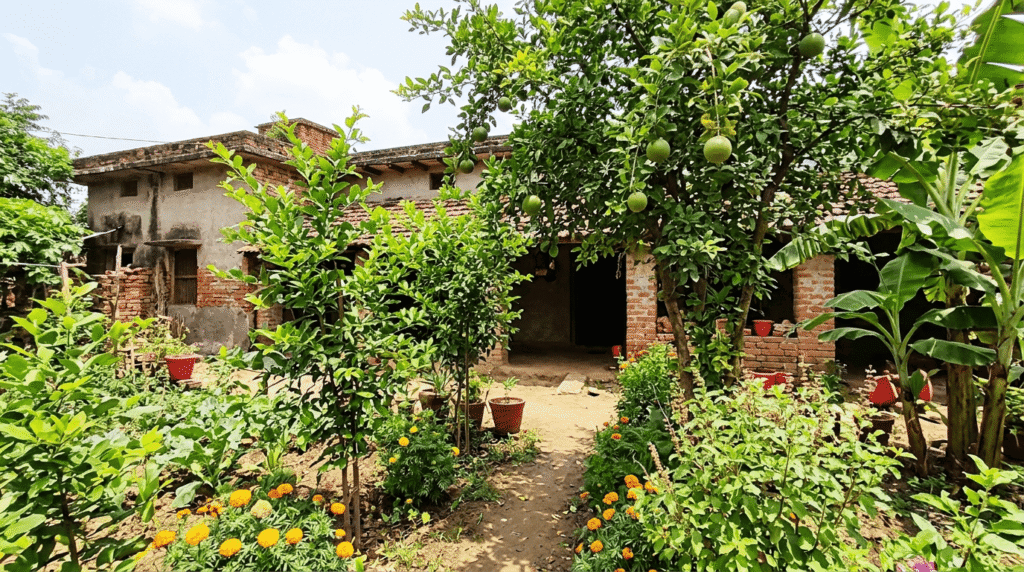
If you have ever visited a Shiva temple, you have seen bel patra. These are the sacred leaves offered during puja. But the bel plant is much more than a temple tree. It is a hardy, low-maintenance plant that can grow in your own garden or terrace. It gives you fruit, shade, and a strong sense of tradition.
In this guide, we will cover everything about the bel plant. This includes what it is, how to grow it, its religious value, and its many benefits. By the end, you will know if this plant is right for your home.
What Is a Bel Plant?
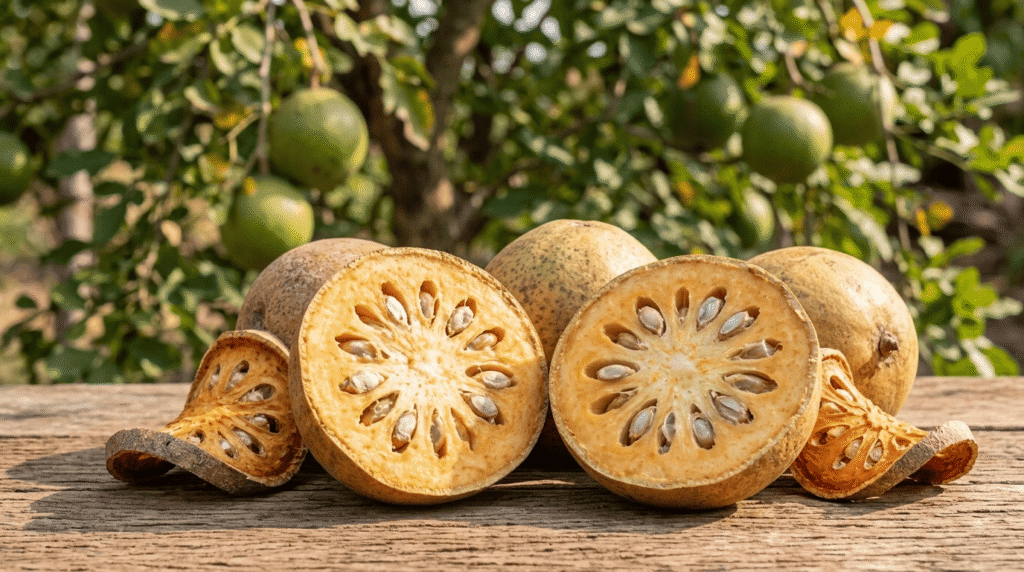
The bel plant is a native Indian tree. Its botanical name is Aegle marmelos. In English, the bel plant is called Bael, Wood Apple, or Stone Apple. Many people search for “bel plant in english” because the fruit is not well known outside India.
The tree has thorny branches and trifoliate leaves. These leaves grow in a group of three. This shape is one reason the plant is linked to Lord Shiva, since the three leaflets are said to represent his trishul (trident).
The bel tree can grow up to 12 to 15 feet tall in open ground. In a large pot, it stays smaller and more manageable. It is a slow grower, but it lives for many decades once it settles in.
Bel Patra Plant: Religious and Spiritual Importance
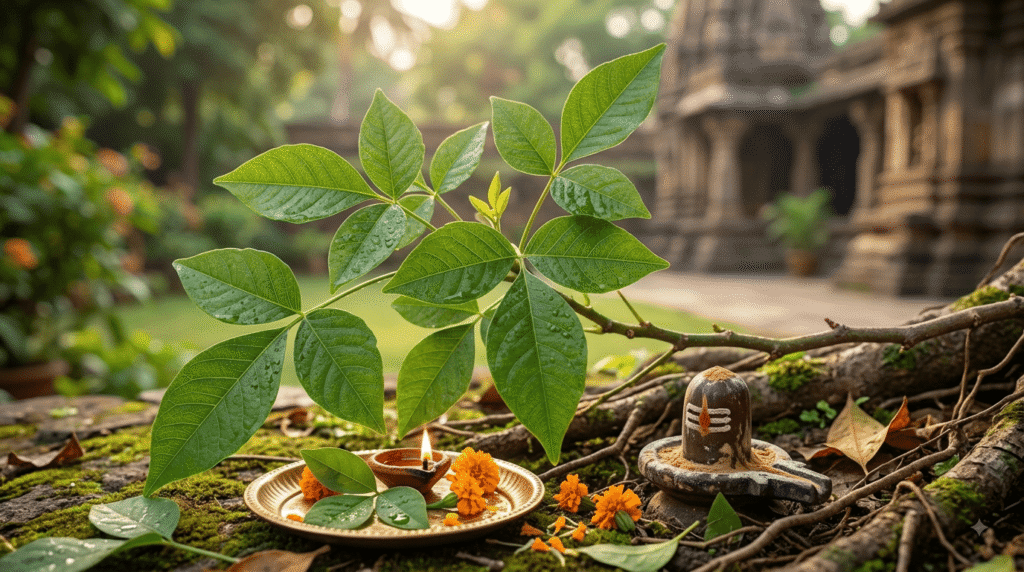
The bel patra plant holds a special place in Hindu culture. Devotees offer bel leaves to Lord Shiva, especially on Mondays and during Shivratri.
Here is why bel patra is considered sacred:
- Each leaf has three leaflets joined at one point. This is seen as a symbol of the trinity.
- The leaves are believed to cool the mind and bring peace during prayer.
- Ayurveda also values bel leaves for their medicinal properties, not just their spiritual meaning.
Because of this importance, many families like to grow a bel patra plant at home. This way, they always have fresh leaves ready for daily puja, instead of buying them from the market.
How to Grow a Bel Plant at Home
Growing a bel plant is simple, even for a beginner gardener. Here is a step-by-step approach.
1. Choose the right spot Bel plants love full sun. Pick a spot that gets at least 5 to 6 hours of direct sunlight daily. It can grow in the ground or in a large container.
2. Prepare the soil Bel plants are not fussy. They grow well in most soil types, including sandy and rocky soil. A mix of garden soil, compost, and a little sand works best for good drainage.
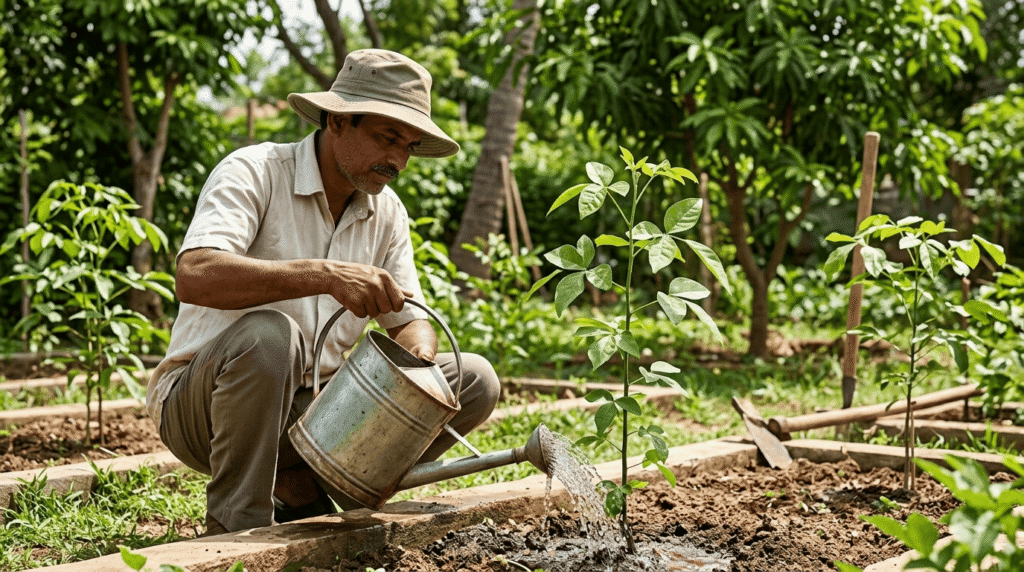
3. Planting If you are using a sapling, dig a hole twice the size of the root ball. Place the plant gently and fill the gap with soil. Water it right after planting.
4. Watering Water young plants two to three times a week. Once the tree matures, it becomes quite drought-tolerant. Never let water collect around the roots, as this can cause root rot.
5. Fertilising Feed the plant with organic compost or well-rotted manure every two to three months. This helps it grow strong and fruit better over time.
With the right care, your bel plant can start fruiting within four to seven years.
Bel Plant Care: Tips for a Healthy Tree
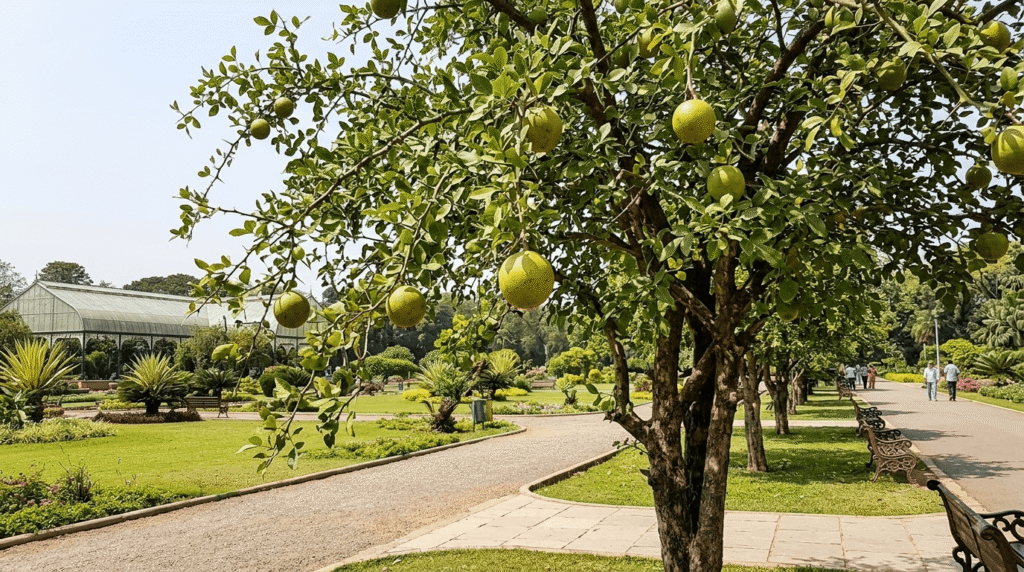
Good care keeps your bel plant strong and productive for years. Keep these points in mind.
- Sunlight: Full sun is a must. Weak light leads to poor growth and fewer fruits.
- Pruning: Trim dead or overcrowded branches once a year. This keeps the tree open and healthy.
- Pests: The bel plant is fairly resistant to pests. Still, check the leaves now and then for mealybugs or aphids, and treat early with a mild neem spray.
- Winter care: Bel trees handle heat very well but dislike frost. In colder regions, protect young plants during winter nights.
- Support: Young saplings may need a small stake for support until the trunk grows sturdy.
If you find this too much to manage alone, a professional gardening team can set up and maintain the plant for you, so it thrives without the guesswork.
Rakhi Bel Plant: A Living Gift
Every Raksha Bandhan, more people are choosing a rakhi bel plant as a thoughtful gift for siblings. Instead of sweets that get finished in a day, a rakhi bel plant grows for years. It is a gift that keeps giving shade, fruit, and sacred leaves.
A small potted bel sapling makes a lovely, meaningful rakhi gift. It also fits the festive theme well, since bel leaves are already tied to prayer and blessings.
Parda Bel Plant: Using Bel as a Privacy Screen
Some gardeners use the bel plant as a natural parda, or screen, along a boundary wall or fence. Since the tree has dense foliage and can grow fairly tall, a row of bel plants works as a green privacy hedge.
A parda bel plant setup gives you:
- Natural privacy from neighbours or the street.
- Shade during hot summer months.
- A steady supply of leaves and fruit, unlike a plain concrete wall.
If privacy and greenery are both on your wishlist, a row of bel plants along your garden’s edge is a smart, low-cost option.
Bel Wale Plants: Common Varieties
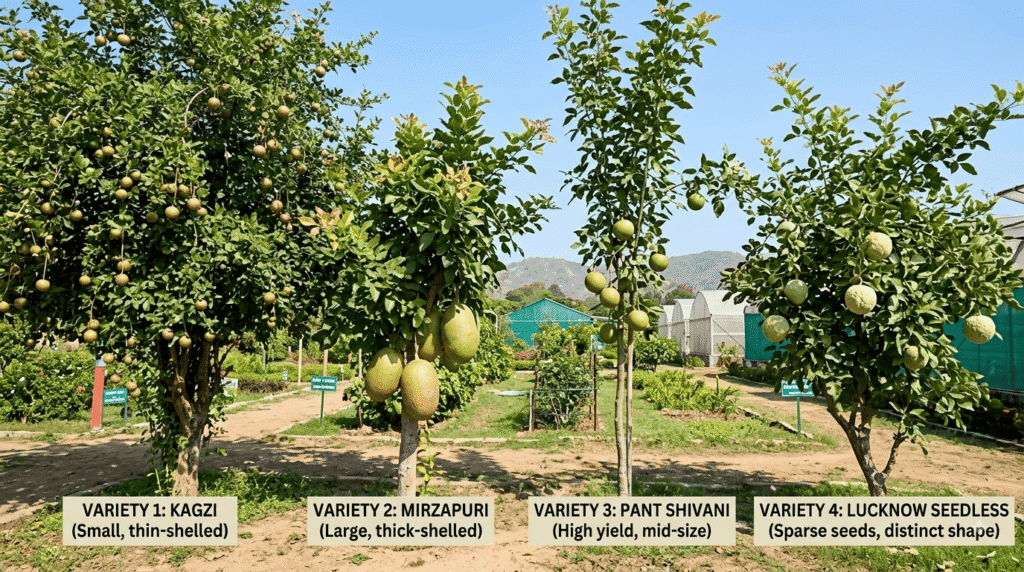
When people search for “bel wale plants,” they usually mean the different types of bael trees available for home gardens. A few popular ones include:
- Desi Bael: The traditional variety, known for its strong aroma and medicinal value.
- CISH Bael-1: A improved variety with fewer seeds and better fruit quality.
- Pant Shivani and Pant Sujata: Dwarf varieties, ideal for small gardens and pots.
Dwarf bel wale plants are a great choice if you have limited space but still want to enjoy fresh bel patra and fruit at home.
Health Benefits of Bel Fruit
Beyond religious use, the bel fruit itself is valued in Ayurveda. Some known benefits include:
- Supports healthy digestion.
- Bel sherbet is a popular summer drink that helps cool the body.
- Rich in vitamin C and antioxidants.
- Traditionally used to support gut and immune health.
This is one more reason to grow a bel plant. It rewards your patience with a fruit that is both sacred and useful.
FAQs About Bel Plant
The bel plant is called Bael, Wood Apple, or Stone Apple in English. Its botanical name is Aegle marmelos.
Bel patra has three leaflets joined together, seen as a symbol of the trident. It is also considered cooling and pure, which is why devotees offer it during Shiva puja.
A bel plant usually takes four to seven years to start bearing fruit, depending on the variety and care given.
Yes, dwarf bel wale plants like Pant Shivani grow well in large pots or containers, making them suitable for small gardens and terraces.
Young bel plants need watering two to three times a week. Mature trees are quite drought-tolerant and need much less water.
Need Help Setting Up Your Bel Plant?
Growing a bel plant is easy, but getting the placement, soil, and care routine right makes all the difference. At Maali Bhaiya, our expert gardeners across Delhi, Noida, and Gurugram can help you choose the right bel plant variety, plant it correctly, and set up a simple care routine for your home or terrace garden.
Get in touch with our team for a free consultation, and let us help you grow a healthy, thriving bel plant at home.