
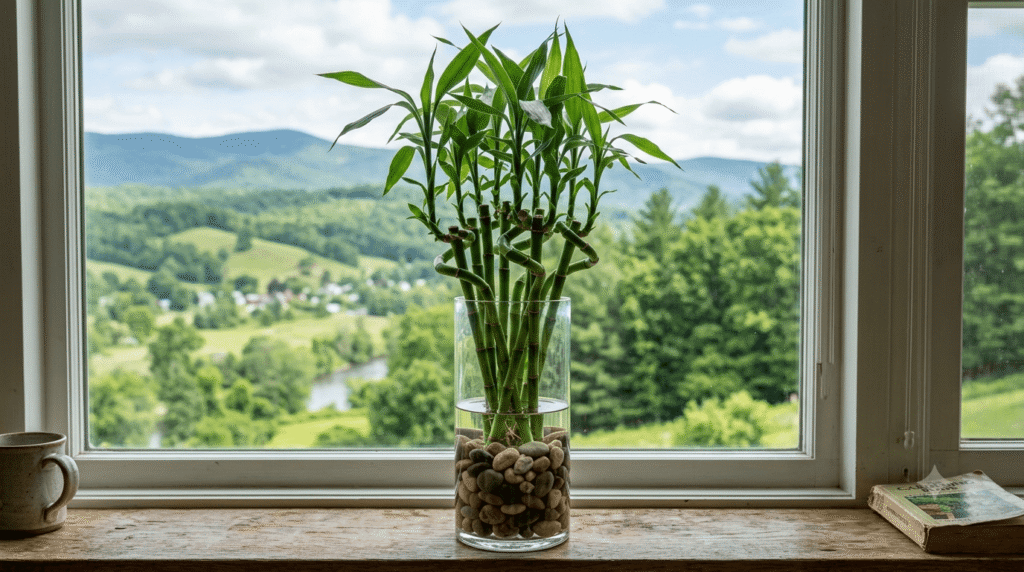
If you’ve been scrolling through home décor reels or walking past a friend’s balcony lately, chances are you’ve spotted a bamboo plant sitting pretty in a glass bowl or a ceramic pot. It’s not a passing trend — bamboo has been a beloved houseplant for centuries, prized for its low-maintenance nature, air-purifying qualities, and the good fortune it’s believed to bring into homes and offices.
Whether you’re a plant parent just starting out or someone hunting for the perfect bamboo plant for home, this guide covers everything — from types and benefits to care tips, pricing, and where to buy one near you.
What Is a Bamboo Plant?
Bamboo belongs to a fascinating family of fast-growing grasses, not trees, despite its woody, tree-like appearance. There are over a thousand species worldwide, ranging from towering timber bamboo used in construction to the small, elegant stalks you see curled up in decorative vases indoors.
The bamboo most commonly sold as a houseplant in India — often labelled “lucky bamboo” — isn’t technically bamboo at all. It’s a species called Dracaena sanderiana, which simply resembles bamboo in shape. True to its nickname, it’s celebrated as a symbol of luck, resilience, and positive energy across cultures, especially in Feng Shui and Vastu practices.
Types of Bamboo Plants You Should Know About
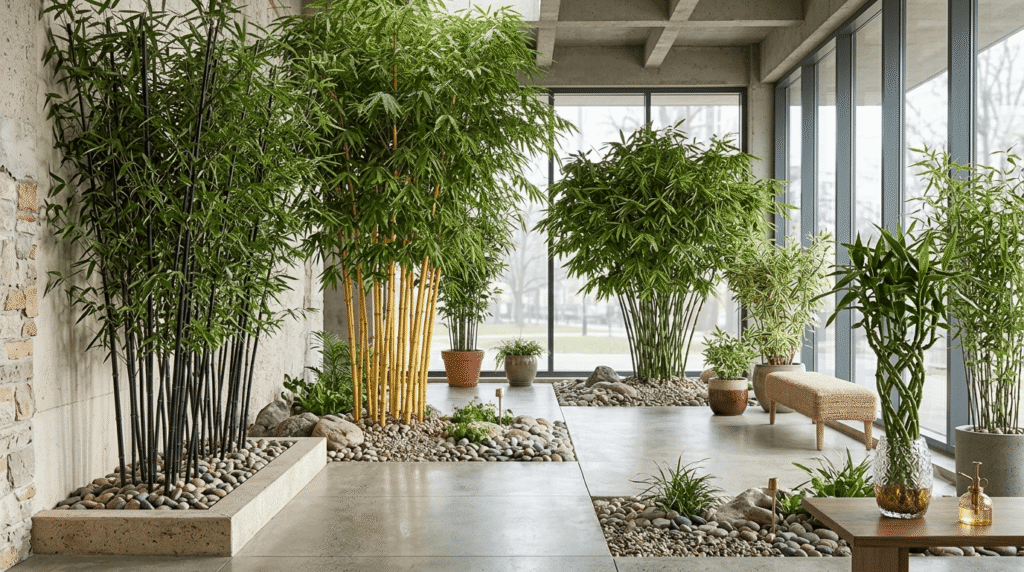
If you’re exploring types of bamboo plants, here’s a quick breakdown to help you choose the right one for your space:
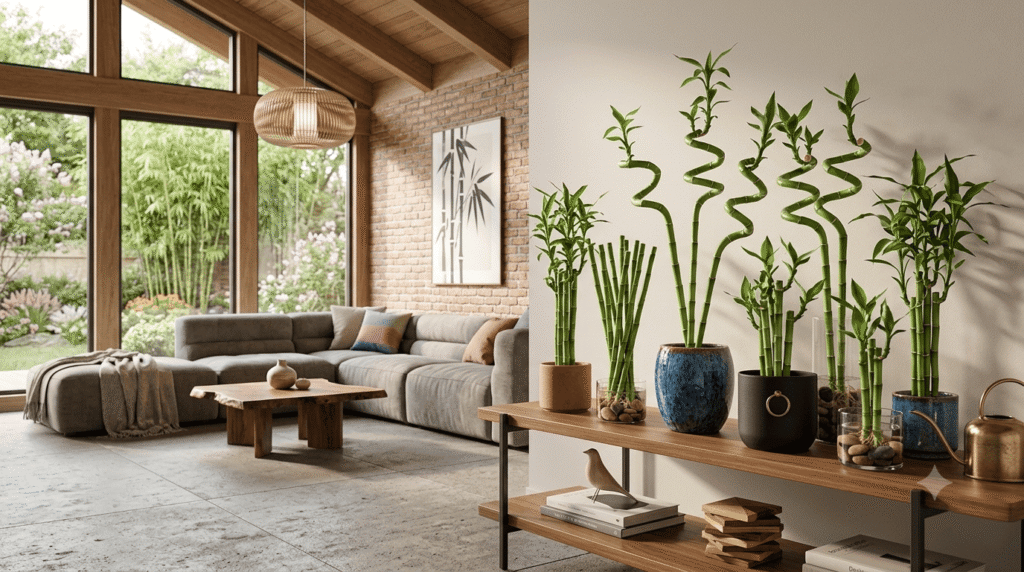
- Lucky Bamboo (Dracaena sanderiana) – The most popular indoor variety, grown in water or soil, often shaped into spirals, braids, or towers.
- Golden Bamboo (Phyllostachys aurea) – A hardy outdoor variety with golden-yellow stems, great for garden borders and privacy screens.
- Black Bamboo (Phyllostachys nigra) – Known for its striking black canes, a favourite for ornamental garden landscaping.
- Buddha Belly Bamboo – Recognisable by its unusually swollen, compressed internodes, often grown as a statement plant.
- Dwarf Bamboo – Compact varieties perfect for small pots, borders, or bonsai-style arrangements.
- Clumping Bamboo – Non-invasive types that grow in tight clusters rather than spreading aggressively, ideal for controlled garden spaces.
For most apartment dwellers and first-time plant owners, lucky bamboo remains the go-to choice simply because it thrives indoors with minimal fuss.
Bamboo Plant Benefits: Why Everyone Wants One
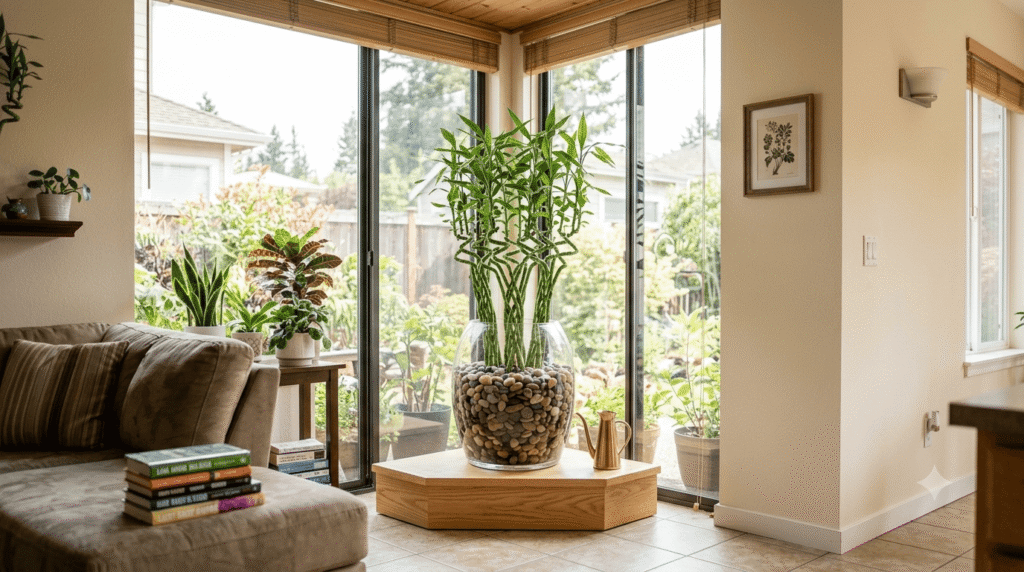
The growing demand for bamboo isn’t just about aesthetics. Here are the real bamboo plant benefits that make it worth the hype:
- Air Purification: Like most green plants, bamboo helps filter indoor air, absorbing carbon dioxide and releasing oxygen, contributing to a fresher living space.
- Low Maintenance: It doesn’t demand constant attention — no complicated fertilising schedules or fussy sunlight requirements.
- Vastu & Feng Shui Significance: Bamboo is widely believed to attract prosperity, good luck, and positive energy, especially when placed in the southeast corner of a home or office.
- Space-Friendly: Its slender growth habit makes it perfect for small apartments, office desks, and study tables where floor space is limited.
- Water or Soil Growth: Unlike most houseplants, bamboo can thrive happily in just a glass of water, making it ideal for people who forget to water their plants regularly.
- Long Lifespan: With basic care, a bamboo arrangement can live for years, growing taller and even producing new shoots over time.
If you’re specifically looking into the lucky bamboo plant benefits, add cultural symbolism to that list — each stalk is often associated with a specific blessing (health, wealth, love, happiness), which is why bamboo arrangements are popular housewarming and festival gifts.
Lucky Bamboo Plant Care: A Beginner’s Checklist
Good news — lucky bamboo plant care is refreshingly simple compared to most houseplants. Here’s what it needs to thrive:
1. Light
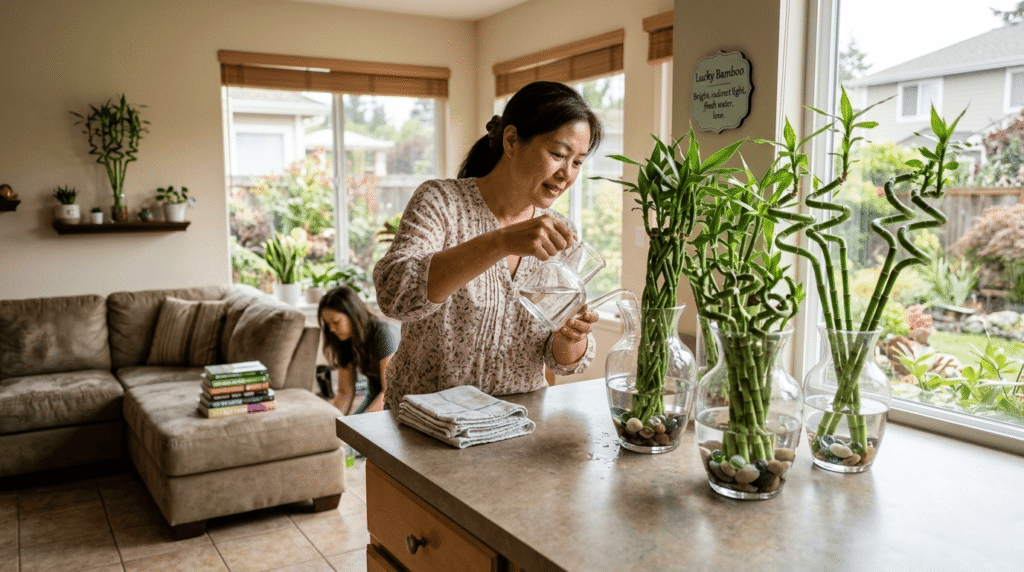
Bright, indirect sunlight works best. Avoid placing it in direct, harsh sun, which can scorch the leaves and turn them yellow. A spot near a window with filtered light or a well-lit indoor corner is ideal.
2. Water
If growing in water, change it every 7–10 days to prevent algae buildup and root rot. Always use filtered or rainwater — tap water often contains chlorine and fluoride, which bamboo is sensitive to. If potted in soil, keep the soil consistently moist but never waterlogged.
3. Temperature
Bamboo prefers warm, humid conditions between 18°C and 30°C. Keep it away from air conditioner vents, heaters, or cold drafts.
4. Fertiliser
It doesn’t need much — a diluted liquid fertiliser once every 1–2 months is more than enough. Over-fertilising can actually damage the roots.
5. Pot & Container
A pot with small pebbles or stones to anchor the stalks works beautifully for water-grown bamboo. For soil-grown varieties, ensure the container has good drainage.
6. Trimming & Shaping
Trim yellowing leaves and stems as needed. If you want that Instagram-worthy spiral shape, gently rotate the plant toward a light source consistently — it naturally bends toward light over weeks.
Indoor Bamboo Plant: Placement Tips
Since most people search for an indoor bamboo plant to brighten up living rooms, offices, or study corners, placement matters more than you’d think:
- Entryway or Living Room: Believed to welcome positive energy into the home.
- Office Desk: A compact bamboo arrangement is a popular desk companion, said to boost focus and productivity.
- Southeast Corner: As per Vastu Shastra, this direction is considered auspicious for wealth and prosperity.
- Away from Direct AC Airflow: Constant cold air can dry out the leaves and slow growth.
A well-placed bamboo plant doesn’t just decorate a room — it becomes a small daily ritual of care that many find genuinely calming.
Lucky Bamboo Plant Price: What to Expect
Wondering about the lucky bamboo plant price before you buy? Costs vary depending on size, shape, and arrangement style:
- Simple 2–3 stalk arrangements: Budget-friendly, ideal for gifting or starting your collection.
- Braided or spiral-shaped bamboo: Priced higher due to the skill and time involved in training the stalks.
- Bamboo towers or layered arrangements: The most premium option, often used for office reception areas or festive décor.
- Decorative pots and vases: Can add to the overall cost depending on material — ceramic, glass, or terracotta.
Prices also shift slightly by region and season, especially around festivals like Diwali when demand for lucky plants spikes.
Where to Find Bamboo Plants Near Me
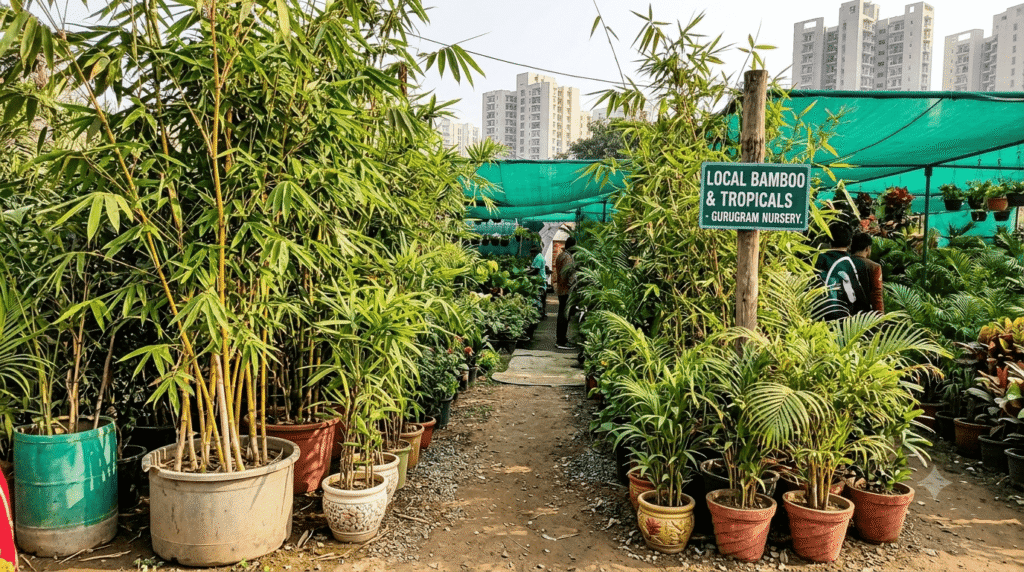
If you’ve typed “bamboo plants near me” into a search bar recently, you’re not alone — this is one of the most common ways people shop for plants today. You can typically find bamboo at:
- Local plant nurseries
- Garden centres and Sunday plant markets
- Home décor and gifting stores
- Online plant delivery platforms, which now offer doorstep delivery with healthy, pre-arranged bamboo setups — a convenient option if your neighbourhood doesn’t have a dedicated nursery.
Common Mistakes to Avoid With Bamboo Plants
- Using tap water without letting it rest — chlorine can stress the roots.
- Overwatering soil-grown bamboo — leads to root rot.
- Placing it in direct harsh sunlight — causes leaf burn.
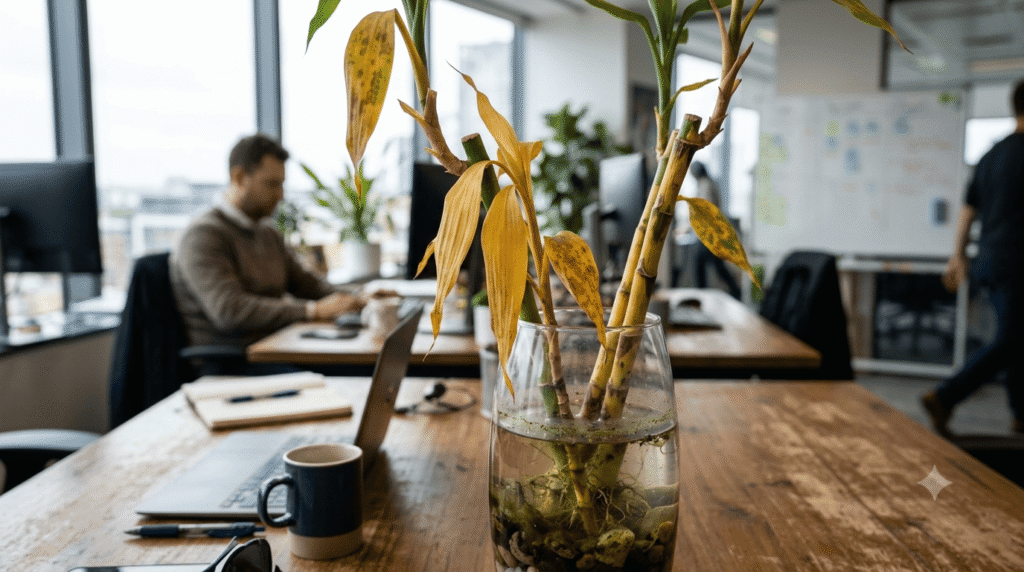
- Ignoring yellow leaves — often an early sign of water quality issues or too much direct light.
- Skipping water changes for weeks — leads to murky water and root damage.
Catching these early keeps your bamboo lush and thriving for years.
Frequently Asked Questions (FAQ)
Yes, a bamboo plant is considered excellent for homes — it’s low-maintenance, purifies indoor air, and is widely believed to bring good luck and positive energy, especially according to Vastu and Feng Shui principles.
Change the water every 7–10 days, using filtered or rested tap water to avoid chlorine damage to the roots.
Bamboo can tolerate low to moderate indirect light, but it still needs some bright, filtered sunlight to stay healthy. Complete darkness will weaken the plant over time.
Different stalk counts symbolise different blessings — 2 for love, 3 for happiness, 5 for wealth, and 8 for growth and prosperity, according to popular Feng Shui beliefs.
No, lucky bamboo can grow happily in just water with pebbles for support, though it can also be transitioned into well-draining soil if preferred.
Yellowing is usually caused by tap water chemicals, too much direct sunlight, or infrequent water changes. Switching to filtered water and adjusting light exposure usually resolves it.

Ready to bring home your own lucky bamboo plant?
“Want a bamboo plant — or a full indoor green corner — set up and cared for the right way? Maali Bhaiya‘s indoor plant experts can help you choose, place, and maintain the perfect bamboo arrangement for your Noida, Gurugram, or Delhi NCR home. Book a free consultation today.”