
Rain Lilies: The Magic Flowers That Bloom After Every Storm
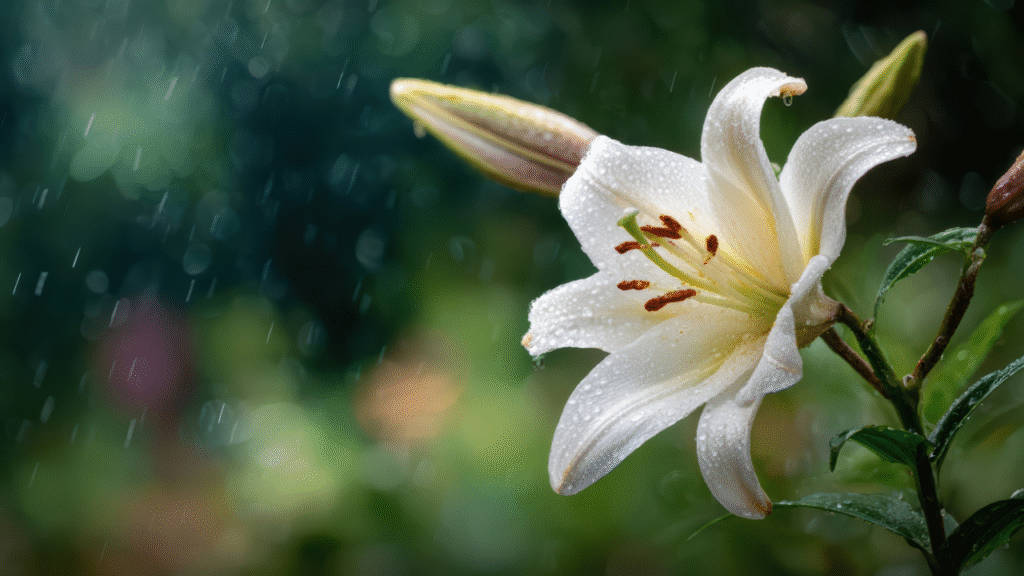
Rain Lilies are one of nature’s most beautiful surprises. Imagine waking up after a rainy night and finding your garden full of tiny, soft flowers that were not there yesterday. That is exactly what these magical plants do. They sleep quietly under the soil for weeks or even months, and the moment rain touches the ground, they come alive and bloom within just a day or two. It feels like the rain brings them a message to wake up and show the world their beauty.
These flowers are not just pretty to look at. They are also very easy to grow, tough enough to handle dry weather, and kind enough to reward you with blooms again and again every time it rains. Whether you are a gardening expert or just someone who loves having flowers at home, rain lilies are a wonderful choice. Let’s take a closer look at everything you need to know about these charming little flowers.
What Are Rain Lilies?
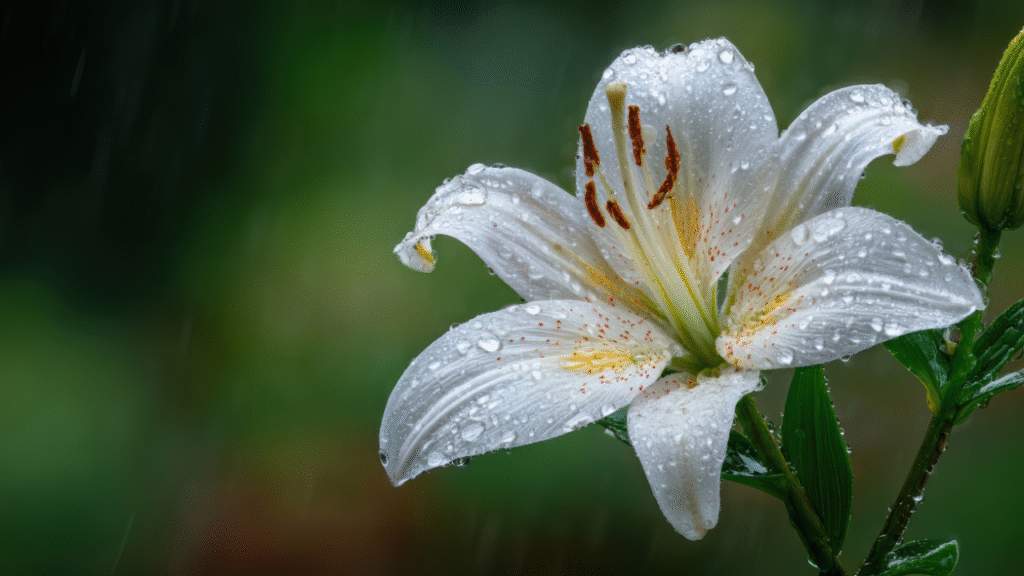
Rain lilies belong to a plant family called Zephyranthes and Habranthus. They are small flowering plants that grow from bulbs just like onions buried in the ground. The name “rain lily” itself tells you their secret: they bloom right after rain. In some places, people also call them zephyr lilies or wind flowers.
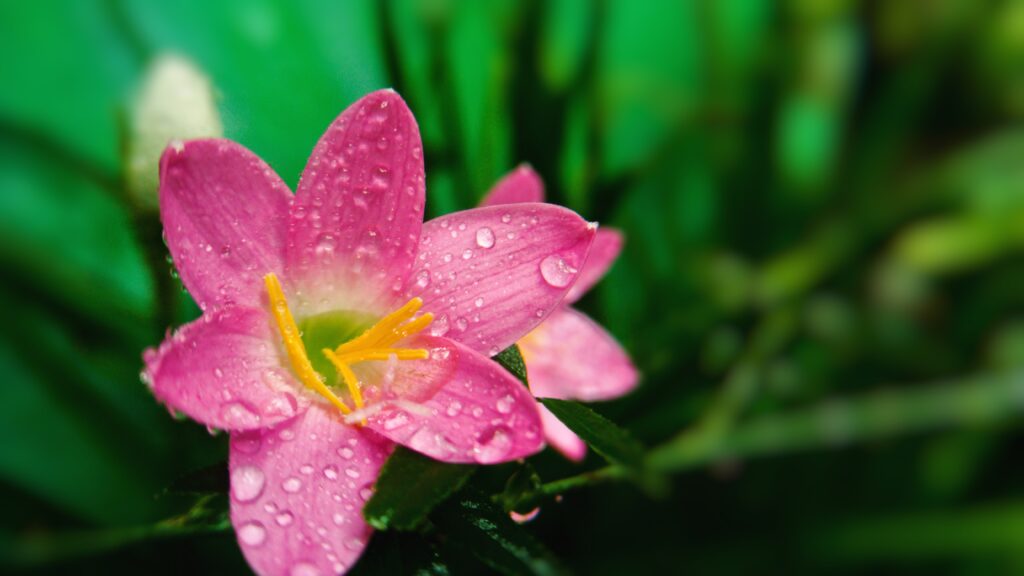
These plants are native to North and South America, but today they are grown all around the world because of how easy and rewarding they are to care for. The flowers come in many shades white, pink, yellow, and even red. Each flower is small, usually shaped like a little cup or funnel, and it sits on top of a thin green stem. The leaves look like long, thin grass blades.
Most rain lilies grow to about 6 to 12 inches tall. They are compact, neat, and perfect for small garden spaces, pots, and even window boxes.
Why Do Rain Lilies Only Bloom After Rain?
This is one of the most interesting questions about these flowers. Why do they wait for rain? The answer lies in how these plants have adapted to survive in the wild over thousands of years.
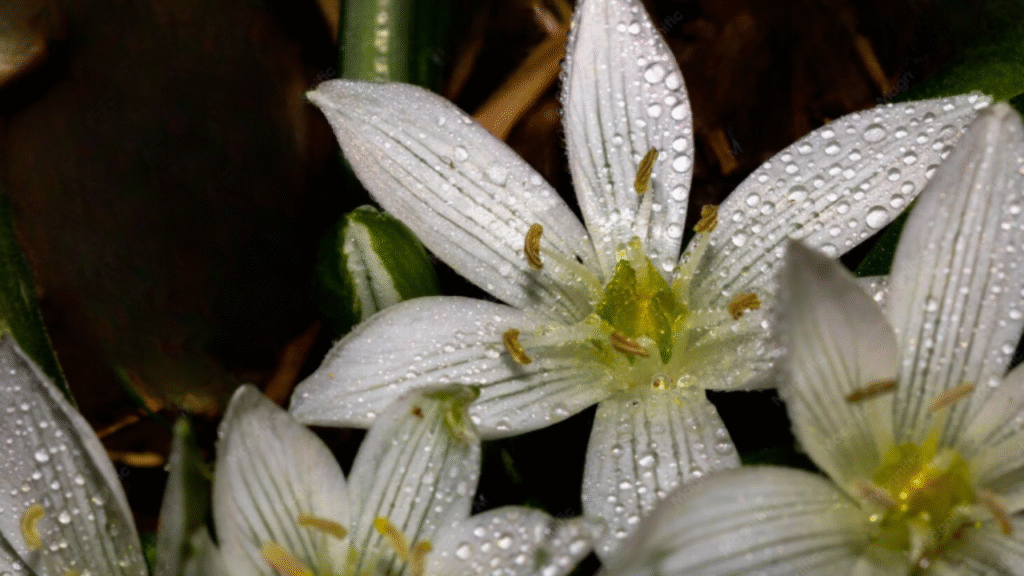
In their natural habitat, these plants grow in areas where long dry seasons are followed by sudden, heavy rains. To survive the dry season, the bulbs go into a deep rest called “dormancy.” They stop growing and save all their energy underground. When the rain finally comes, the moisture seeps into the soil and wakes the bulbs up like an alarm clock.
Scientists believe the change in soil temperature and moisture levels sends a chemical signal to the bulb. This signal tells the plant: “It’s time! The rain is here. Bloom now!” And within 24 to 48 hours, the flower shoot pushes up through the soil and opens up. This quick response is why rain lilies feel so magical they seem to appear out of nowhere almost overnight.
This is also a smart survival trick. By blooming right after rain, the flowers attract insects like bees and butterflies who are also coming out after the storm. This helps the plant pollinate and make seeds to grow more plants.
Popular Types of Rain Lilies You Can Grow at Home
There are many beautiful varieties of rain lilies that you can easily find and grow. Here are some of the most popular ones:
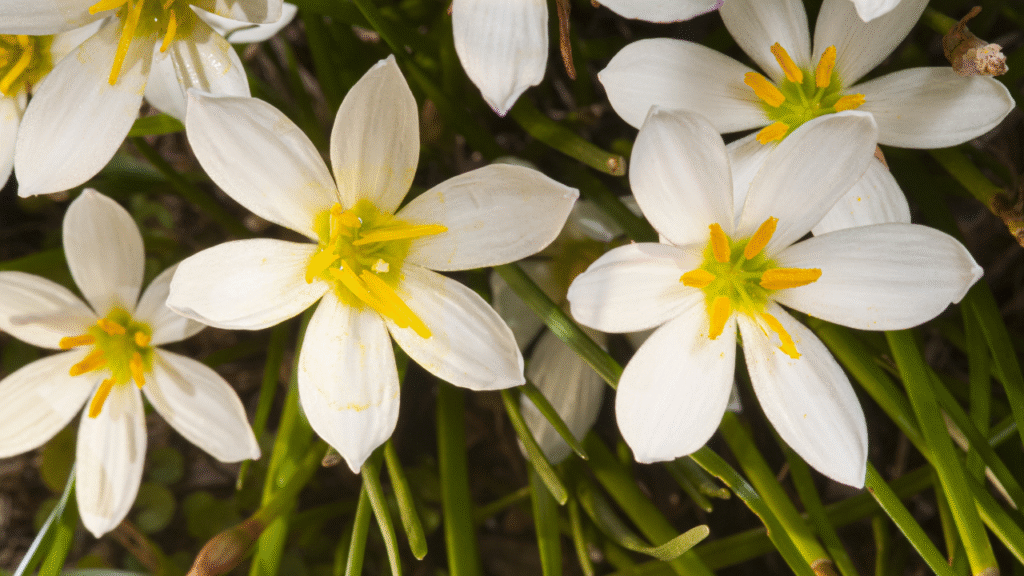
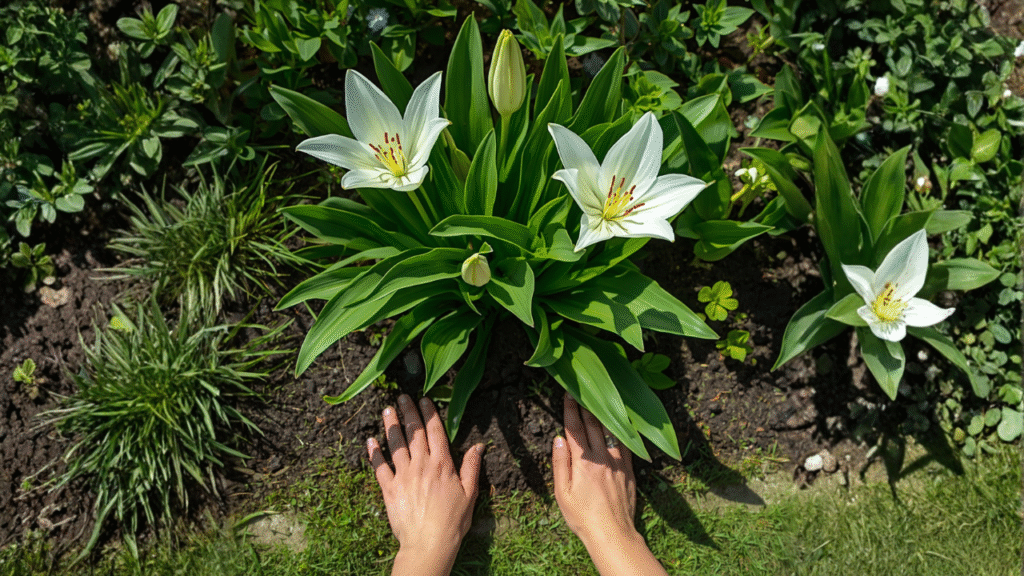
- Zephyranthes candida – This is the most common type. It has bright white flowers that almost glow in the garden. It is very tough and can handle slightly cooler weather.
- Zephyranthes rosea – As the name tells you, this variety has soft pink flowers. It is one of the prettiest and most loved types for home gardens.
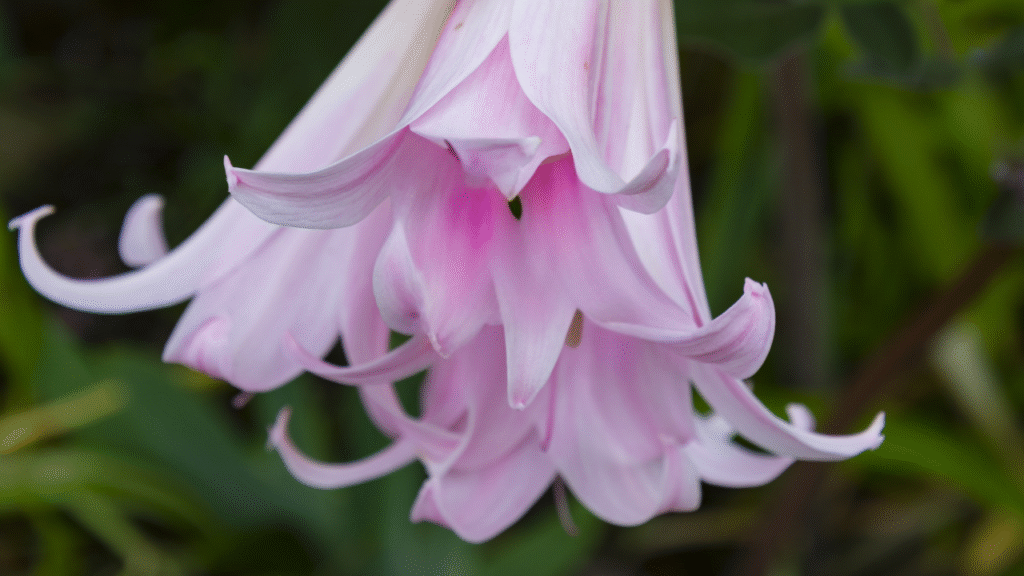
- Habranthus robustus – This one has larger pink-purple flowers that face slightly downward. It looks elegant and is perfect for garden borders.
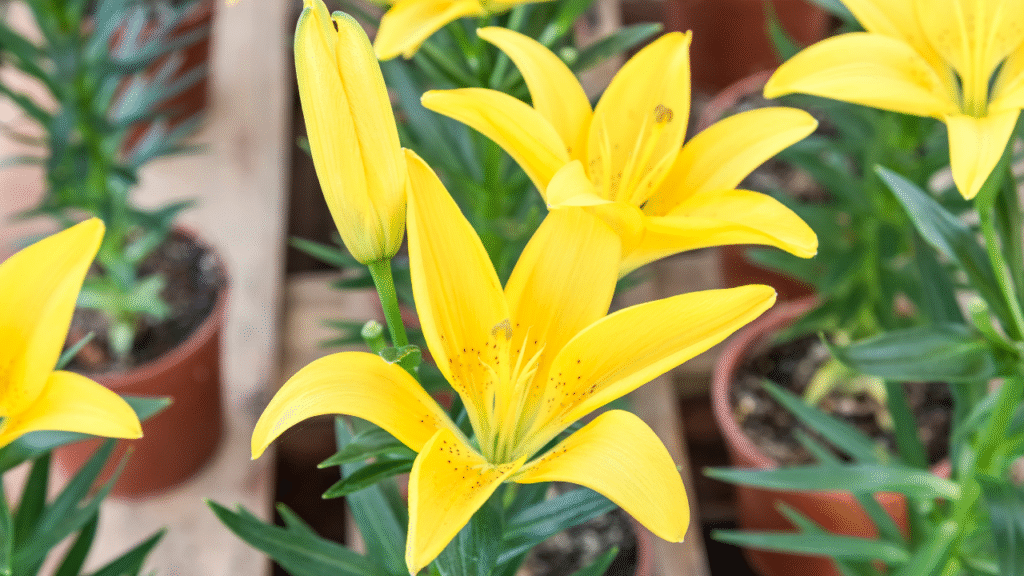
- Zephyranthes citrina – This type gives you cheerful yellow blooms. It is great if you want to add a pop of bright colour to your garden after a rainy day.
- Cooperia drummondii – Also called the evening star rain lily, this one blooms in the evening and has white flowers with a sweet fragrance.
Each of these types has its own charm. If you want a colourful garden, you can even mix different varieties and enjoy a rainbow of blooms every time it rains.
How to Plant Rain Lilies: A Simple Step-by-Step Guide
Growing rain lilies is not hard at all. Even if you have never grown anything before, you can do it. Here is a simple guide to get you started:
Step 1: Choose the Right Bulbs
Buy healthy bulbs from a plant nursery or online store. Look for bulbs that are firm and not soft or rotting. Soft bulbs may be damaged and might not grow well.
Step 2: Pick a Good Spot
Rain lilies love sunlight. Choose a spot in your garden that gets full sun to partial shade. They can grow in pots too, which is great if you live in an apartment or have a small balcony.
Step 3: Prepare the Soil
Use well-draining soil. This means soil that does not hold too much water. Soggy soil can rot the bulbs. You can mix regular garden soil with sand or cocopeat to improve drainage. Add a little compost to make the soil rich and healthy.
Step 4: Plant the Bulbs
Dig small holes about 2 to 3 inches deep. Place each bulb with the pointed end facing up. Cover them with soil and water lightly. Space the bulbs about 3 to 4 inches apart from each other so they have room to grow.
Step 5: Water and Wait
After planting, water the bulbs and then leave them alone for a while. Do not overwater. Let the soil dry out between waterings. The rain lilies will start to show green shoots in a few weeks, and the first blooms will come after a good rain or watering.
How to Care for Rain Lilies
One of the best things about rain lilies is how little care they need. They are perfect for busy people or beginner gardeners. Here are a few simple care tips:
- Watering: Water them only when the soil gets completely dry. Overwatering is the biggest mistake people make. These plants actually prefer dryness between waterings.
- Fertilizing: Feed your plants with a balanced liquid fertilizer once a month during the growing season (spring and summer). Avoid too much fertilizer because it can reduce flowering.
- Sunlight: These plants love sunlight. Give them at least 4 to 6 hours of direct sun every day for the best blooms.
- Dividing Bulbs: After a couple of years, the bulbs multiply and can become crowded. Dig them up, separate them, and replant. This also helps keep the plants healthy and blooming well.
- Pests: Rain lilies are generally pest-resistant, but sometimes aphids or mealybugs can show up. You can wash them off with water or use a mild neem oil spray.
Benefits of Growing Rain Lilies in Your Garden
There are so many good reasons to add rain lilies to your garden. Let’s look at some of the biggest benefits:
1. Low Maintenance
These plants do not need daily attention. Once planted, they grow on their own with very little help from you. This makes them ideal for people who love flowers but do not have a lot of time to spend gardening.
2. Drought Tolerant
Rain lilies can survive long dry spells without any problem. They simply go dormant and wait for water. This makes them a great choice for areas where water is scarce or where summers are very dry and hot.
3. They Attract Pollinators
The flowers attract bees, butterflies, and other helpful insects to your garden. This is great for the environment and also helps other plants in your garden grow better.
4. Great for Ground Cover
Because rain lilies spread slowly over time, they can fill up empty spaces in your garden beautifully. They create a natural carpet of green that suddenly bursts into color after rain.
5. Perfect for Pots and Small Spaces
If you live in a city flat or have only a small balcony, you can still grow these flowers in pots. They do not need much space and look stunning in containers.

Common Mistakes to Avoid When Growing Rain Lilies
Even though rain lilies are easy to grow, some beginners make a few mistakes that can slow down or even stop the flowers from blooming. Here is what to watch out for:
- Overwatering: Too much water is the number one killer of these plants. Their bulbs can rot if the soil stays wet for too long. Always let the soil dry between waterings.
- Planting Too Deep: If you plant the bulbs too deep, they may struggle to push through the soil. Stick to 2 to 3 inches deep for the best results.
- Cutting Leaves Too Early: After blooming, the leaves continue to make food for the bulb. If you cut them off too early, the bulb will not store enough energy to bloom again.
- Planting in Shade: These plants need sunlight to bloom. Planting them in a dark or heavily shaded area will result in fewer or no flowers.

Rain Lilies in Different Cultures and Gardens Around the World
Rain lilies have found a special place in gardens across many countries. In India, they are a common sight in home gardens and temple premises, especially during the monsoon season. Gardeners love how they suddenly transform a plain green space into a colourful display after the first monsoon showers.
In Japan, these flowers are appreciated for their simplicity and natural beauty, which fits perfectly into the Japanese philosophy of finding joy in small, natural things. In the southern United States, rain lilies grow wild along roadsides and in meadows, bringing unexpected bursts of colour after summer storms.
In many tropical countries, these flowers are also used in simple flower arrangements and as decorative plants for festivals and celebrations. Their ability to bloom quickly and their cheerful colours make them a symbol of hope and renewal in several cultures.

Can You Grow Rain Lilies Indoors?
Yes, you can! While rain lilies are happiest in outdoor gardens with natural rain and sunlight, they can also be grown indoors in pots near a sunny window. Here are a few tips for growing them indoors:
- Place the pot near a bright, sunny window that gets at least 4 hours of sunlight daily.
- Use a pot with drainage holes so water does not collect at the bottom.
- To trick the plant into blooming indoors, let the soil dry out completely, then water it heavily. This mimics the effect of a rainstorm.
- Avoid placing them near air conditioning vents, as cold dry air can stress the plants.
Growing them indoors can be a wonderful experience. Imagine sitting at home on a rainy day and watching your little pot of rain lilies burst into bloom right along with the weather outside!

Final Thoughts: Let the Rain Bring You Blooms
Rain lilies are truly one of the most magical plants you can add to your life. They teach us something beautiful that even after a storm, something wonderful can bloom. They are tough, patient, and full of surprises. One day your garden looks plain and green, and the next morning after rain, it is covered in little flowers that seem to celebrate the storm.
Whether you are a seasoned gardener or someone who is just starting out, rain lilies are worth having. They ask for very little and give you so much joy in return. Plant a few bulbs this season, and the next time it rains, step outside and watch the magic happen.
So go ahead, bring home some bulbs, plant them with love, and let nature do the rest. Because with rain lilies, every storm comes with a gift.
FAQs About Rain Lilies
1. Why do rain lilies bloom after rain?
Rain lilies bloom after rain because their bulbs respond to sudden moisture and cooler soil temperatures. Rain acts like a natural signal that tells the plant it is time to flower.
2. Can rain lilies grow in pots?
Yes, rain lilies grow very well in pots and containers. They are perfect for balconies, terraces, and small indoor spaces with enough sunlight
3. How much sunlight do rain lilies need?
Rain lilies need at least 4 to 6 hours of sunlight daily for healthy growth and beautiful blooms.
4. Are rain lilies easy to care for?
Absolutely! Rain lilies are low-maintenance plants that need very little watering, occasional fertilizer, and well-draining soil.
5. How often do rain lilies bloom?
Rain lilies can bloom multiple times during the rainy season or whenever they receive deep watering after a dry period.