
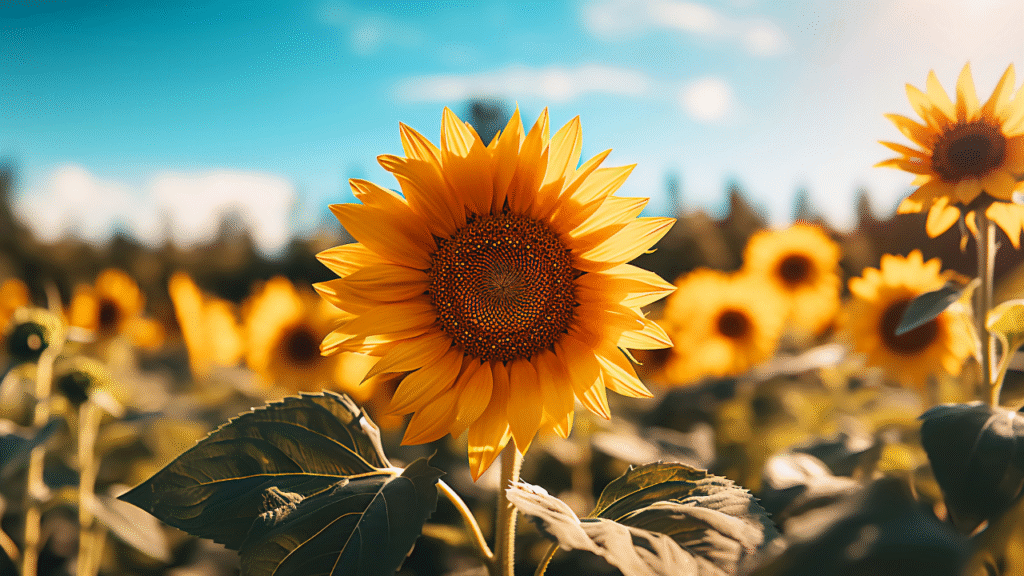
The sunflower plant is one of the most cheerful and easy-to-grow plants you can ever have in your garden. Just imagine stepping outside every morning and seeing those big, bright yellow flowers smiling back at you it instantly makes your day better! There is something truly special about a sunflower plant. It does not just look beautiful it brings warmth, energy, and life to any space it grows in. Whether it is standing tall in an open garden or sitting quietly in a small pot on your balcony, the sunflower plant has a way of making everything around it looks more alive and colourful.
If you want to grow sunflowers at home and make your garden bloom with bright yellow colour, you are in the right place! Many people think growing a sunflower plant is only for expert gardeners or people with big farms. But that is not true at all! The sunflower plant is one of those rare plants that is friendly to everyone beginners, kids, elderly people, apartment dwellers, and even people who have never touched a single plant in their life. All it needs is a little love, some good soil, water, and of course plenty of sunshine!
This sunflower plant guide will walk you through everything from picking the right seeds to watching your sunflower plant grow tall and beautiful. We will cover everything in simple, easy steps that even an 8th class student can follow without getting confused. You will learn which type of sunflower plant is best for your space, when to plant it, how to water it, how to protect it from pests, and finally how to enjoy its gorgeous bloom and harvest its seeds.
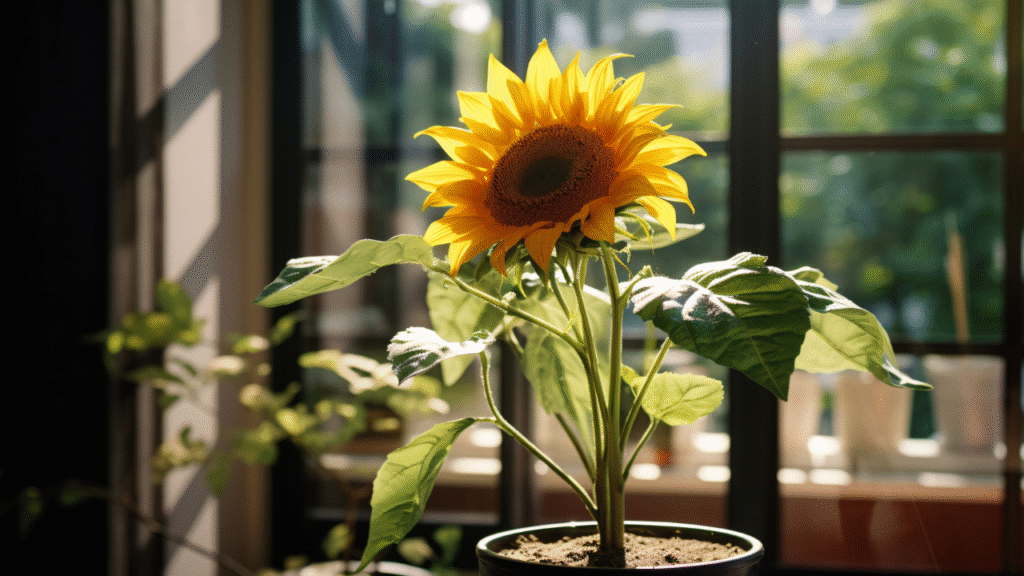
Why Should You Grow a Sunflower Plant at Home?
Before we jump into the “how,” let’s talk about the “why.” Why is a sunflower plant such a great choice for your home garden?
Here are some simple reasons:
- Easy to grow – Even kids can grow a sunflower plant without any special skills.
- Looks beautiful – The bright yellow flowers make any space look cheerful and alive.
- Grows fast – A sunflower plant can go from seed to full bloom in just 70 to 100 days.
- Good for birds and bees – The sunflower plant attracts bees, butterflies, and birds to your garden.
- Useful seeds – Once the sunflower plant blooms and dries up, you get seeds that you can eat or use to grow more plants.
- Cleans the soil – A sunflower plant is known to absorb harmful metals from the soil, making it cleaner over time.
Sounds amazing, right? Let’s now learn how to grow this wonderful sunflower plant step by step.
Step 1 – Choose the Right Type of Sunflower Plant
Did you know there are many different types of sunflower plants? Yes! Not all sunflower plants are the same. Some grow very tall, and some stay small and cute. Here are a few popular types:
1. Giant Sunflower Plant
This sunflower plant can grow up to 12 feet tall! It is best for open gardens where there is a lot of space. The seeds of this type are also very big and tasty.
Best variety: Russian Mammoth
2. Dwarf Sunflower Plant
This is a small sunflower plant that grows only 1 to 2 feet tall. It is perfect for pots, balconies, and small home gardens.
Best variety: Sunspot, Teddy Bear
3. Multi-Headed Sunflower Plant
This sunflower plant grows many flowers on one single stem. It gives your garden a very full and colourful look.
Best variety: Velvet Queen, Autumn Beauty
Tip from MaaliBhaiya: If you are a beginner, start with the dwarf sunflower plant. It is easy to manage and looks great in pots on your balcony or window.
Step 2 – Pick the Best Time to Plant Your Sunflower Plant
Timing is very important when it comes to growing a sunflower plant. The sun flower plant loves warm weather and bright sunlight.
In India, the best time to plant a sunflower plant is:
- Summer crop: January to February
- Kharif crop: June to July
- Rabi crop: October to November
A sunflower plant needs at least 6 to 8 hours of direct sunlight every day. So always plant it where sunlight comes in well.
Avoid planting a sunflower plant during extreme cold or heavy rain, as the sunflower plant does not like too much moisture in the early stages.
Step 3 – Prepare the Soil for Your Sunflower Plant
A sunflower plant is not very fussy about soil, but it does grow best in good quality, well-drained soil.
Here is how to prepare the soil for your sunflower plant:
- Loosen the soil – Use a small shovel or khurpi to loosen the top 6 to 8 inches of soil. This helps the roots of the sunflower plant spread easily.
- Add compost or cow dung – Mix some organic compost or dried cow dung into the soil. This gives the sunflower plant the nutrients it needs to grow strong.
- Check the drainage – The sunflower plant does not like waterlogged soil. Make sure the water drains out easily. If you are planting in a pot, make sure there are holes at the bottom.
- Check the pH level – The sunflower plant grows best in soil with a pH between 6.0 and 7.5. You can buy a simple pH testing kit from any gardening store.
Soil Mix for Pots:
- 50% regular garden soil
- 30% compost or vermicompost
- 20% coarse sand (for better drainage)
This simple mix is perfect for a sunflower plant growing in a container or pot at home.
Step 4 – Sow the Sunflower Plant Seeds the Right Way
Now comes the most exciting part – planting the seeds!
Follow these easy steps to sow your sunflower plant seeds:
- Buy good quality seeds – Get sunflower plant seeds from a trusted local nursery or gardening shop. Fresh seeds give better results.
- Soak the seeds – Soak the sunflower plant seeds in water for 8 to 12 hours before planting. This helps them sprout faster.
- Plant the seeds – Make a small hole in the soil about 1 inch deep. Place 2 to 3 sunflower plant seeds in each hole. Cover gently with soil.
- Keep distance – If you are planting in a garden bed, keep at least 12 to 18 inches of space between each sunflower plant. This gives them room to grow.
- Water gently – After planting, water the soil lightly. Do not overwater, as the seeds may rot.
Within 7 to 10 days, you will see tiny green sprouts coming out of the soil. That is your sunflower plant saying “Hello!”
Step 5 – How to Care for Your Sunflower Plant
Once your sunflower plant has sprouted, it needs regular care to grow healthy and bloom beautifully.
Watering Your Sunflower Plant
The sunflower plant needs water but not too much. Here is a simple rule:
- Water your sunflower plant 2 to 3 times a week in summer.
- In rainy season, water only when the soil feels dry.
- Always water at the base of the sunflower plant, not on the leaves. Wet leaves can cause fungal problems.
A fully grown sunflower plant has deep roots and can handle some dry weather, but young plants need consistent watering.
Feeding Your Sunflower Plant
Like all plants, the sunflower plant needs food to grow well. You can feed it with:
- Compost tea – A natural liquid fertiliser made from compost soaked in water.
- NPK fertiliser (10:26:26) – This is a chemical fertiliser you can buy from a gardening shop. Use it once every 3 weeks.
- Banana peel fertiliser – Soak banana peels in water for 2 days and use that water for your sunflower plant. It gives a good dose of potassium.
Avoid giving too much nitrogen to the sunflower plant. Too much nitrogen makes the sunflower plant grow lots of leaves but fewer flowers.
Sunlight for Your Sunflower Plant
The sunflower plant is a sun lover! It needs a minimum of 6 hours of direct sunlight every day. Place your pot or garden bed in the sunniest spot you have.
Fun fact: Young sunflower plants move their heads to follow the sun throughout the day. This is called heliotropism. Once the sunflower plant is fully grown, it usually faces east, towards the rising sun.
Protecting Your Sunflower Plant from Pests
A sunflower plant can be attacked by some common pests. Here is what to watch out for:
- Aphids – Tiny green or black insects that suck the sap from the sunflower plant. Spray neem oil mixed with water to get rid of them.
- Caterpillars – They eat the leaves of the sunflower plant. Pick them off by hand or use neem spray.
- Whiteflies – Small white flies that damage the sunflower plant leaves. Use yellow sticky traps to catch them.
- Downy Mildew – A fungal disease that causes white spots on the leaves. Avoid overwatering your sunflower plant to prevent this.
Step 6 – Watch Your Sunflower Plant Bloom
After about 60 to 90 days, your sunflower plant will start to bloom. The big, bright yellow flower head will open up and face the sun. This is the most beautiful moment of growing a sunflower plant!
Here are some things to know during the blooming stage:
- Do not cut the flower – unless you want to use it as a decoration. Let the sunflower plant bloom fully on its own.
- Deadheading – If your sunflower plant has many small flowers and some die, remove the dead ones. This encourages the sunflower plant to produce more fresh blooms.
- Support tall plants– If you have a giant sunflower plant, tie the stem gently to a stick or bamboo support so it does not fall in strong winds.
Step 7 – Harvesting Seeds from Your Sunflower Plant
Once the sunflower plant flower has fully bloomed and starts to dry out, it is time to harvest the seeds!
Here is how to do it:
- Wait until the back of the sunflower plant’s flower head turns yellow or brown.
- Cut the flower head with a clean pair of scissors, leaving about 12 inches of stem.
- Hang the sunflower plant flower head upside down in a dry, airy place for 1 to 2 weeks.
- Once fully dry, rub the seeds out with your hands.
- Store the seeds in a dry container.
You can use these seeds to:
- Eat as a snack – Roast them with a little salt and enjoy!
- Feed birds – Birds love sunflower plant seeds.
- Plant next season – Save the best seeds to grow a new sunflower plant batch next time.

Common Problems with the Sunflower Plant and How to Fix Them
| Problem | Cause | Solution |
| Leaves turning yellow | Overwatering or lack of nutrients | Reduce watering, add compost |
| Sunflower plant not blooming | Too much shade or too much nitrogen | Move to sunnier spot, reduce nitrogen |
| Stunted growth | Poor soil or root damage | Add compost, loosen soil |
| Drooping sunflower plant | Underwatering | Water the sunflower plant deeply |
| Holes in leaves | Caterpillars or insects | Use neem spray, pick off pests |
Fun Facts About the Sunflower Plant
Let’s take a short break and learn some cool facts about the sunflower plant!
- The sunflower plant is the national flower of Ukraine.
- A single sunflower plant flower head is actually made up of 1,000 to 2,000 tiny flowers called florets.
- The sunflower plant was first grown by Native Americans more than 3,000 years ago.
- Sunflower plant oil is used in cooking, cosmetics, and even as a biofuel.
- After the Chernobyl nuclear disaster, sunflower plants were used to remove radioactive materials from contaminated water.
- The tallest sunflower plant ever recorded was 9.17 meters (30 feet) tall, grown in Germany in 2014.
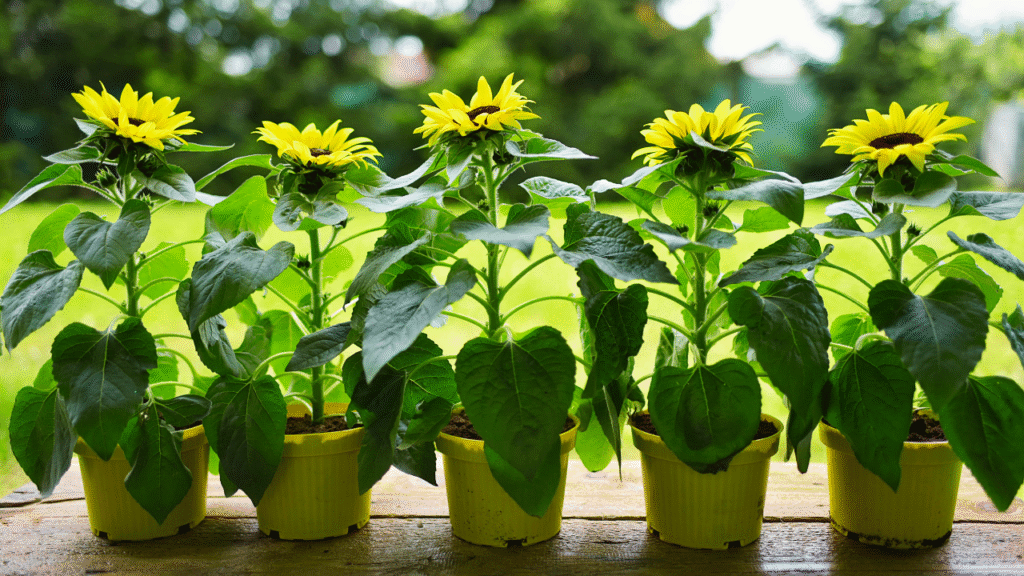
Growing a Sunflower Plant in a Pot – Special Tips for Balcony Gardeners
If you live in an apartment and do not have a garden, do not worry! You can still grow a beautiful sunflower plant in a pot.
Here are some special tips:
- Choose the right pot – Use a pot that is at least 12 inches deep and wide for a medium-sized sunflower plant. For giant varieties, use a 18-inch pot.
- Use well-draining soil mix – As mentioned earlier, mix garden soil, compost, and sand.
- Place it in direct sun – Keep the pot near a south-facing window or on your balcony where it gets maximum sunlight.
- Water regularly – Pots dry out faster than garden beds, so check the soil daily and water when the top inch feels dry.
- Choose dwarf varieties – For pots, always pick dwarf sunflower plant varieties like Sunspot or Teddy Bear.
Even in a small pot, a sunflower plant will bring so much brightness and joy to your home.

Final Words from MaaliBhaiya
Growing a sunflower plant at home is one of the most rewarding things you can do as a gardener. It is simple, it is fun, and it fills your space with sunshine and happiness. Whether you are 8 years old or 80 years old, anyone can grow a sunflower plant with a little love and care.
Remember the basics:
- Give your sunflower plant enough sunlight.
- Water it regularly but not too much.
- Feed it with natural compost.
- Protect it from pests and diseases.
- And most importantly – enjoy the process.
So, what are you waiting for? Go get some sunflower plant seeds today, plant them in your garden or pot, and watch the magic happen. Your garden is going to bloom like never before.
Happy Gardening!
FAQs About Sunflower Plant
Q1. Is a sunflower plant easy to grow at home?
Yes, A sunflower plant is one of the easiest plants to grow at home. Even beginners and kids can grow it without any special skills. Just give it good soil, sunlight, and water that’s it.
Q2. How much sunlight does a sunflower plant need?
A sunflower plant needs at least 6 to 8 hours of direct sunlight every day. Always place it in the sunniest spot in your garden or balcony for the best growth.
Q3. Can I grow a sunflower plant in a pot or small balcony?
Absolutely, you can grow a sunflower plant in a pot easily. Just choose a dwarf variety like Sunspot or Teddy Bear, use a 12-inch-deep pot, and place it where it gets good sunlight daily.
Q4. How many days does a sunflower plant take to bloom?
A sunflower plant usually takes 60 to 90 days from seed to bloom. With proper care right watering, sunlight, and feeding your sunflower plant will reward you with big, bright yellow flowers.
Q5. What can I do with sunflower plant seeds after it dries?
Once your sunflower plant dries up, you can harvest the seeds and use them in three ways roast and eat them as a healthy snack, feed them to birds, or save them to plant a new sunflower plant in the next season.