
Top Palm Tree Types in India for Gardens, Roadsides, and Farms
Palm tree varieties are among the most popular and versatile plants in India, adorning everything from home gardens to busy roadsides and productive farms. These elegant tropical beauties not only enhance the visual appeal of any landscape but also provide practical benefits like shade, fruit, and even income opportunities for farmers. Whether you’re a homeowner looking to beautify your garden, a municipality planning roadside greenery, or a farmer exploring commercial cultivation, understanding the different palm tree species available in India is essential for making the right choice.
India’s diverse climate, ranging from coastal regions to inland plains, supports a wide variety of Palm Tree species. Each type has unique characteristics, growth requirements, and uses. Some palms are perfect for small gardens, while others thrive along highways or in large agricultural settings. In this comprehensive guide, we’ll explore the top palm tree types that flourish in Indian conditions, helping you select the perfect variety for your specific needs.
Why Palm Trees Are Perfect for Indian Landscapes
Before diving into specific varieties, let’s understand why palm tree species are so well-suited for Indian environments. These magnificent plants have adapted brilliantly to tropical and subtropical climates, making them ideal choices for various purposes.
Palm tree species are incredibly resilient. They can withstand high temperatures, humidity, and even occasional droughts once established. Their deep root systems help them access water during dry periods, while their flexible trunks allow them to bend during storms without breaking. This durability makes them excellent choices for roadside plantations where maintenance might be limited.
Another advantage of growing a palm tree is the relatively low maintenance requirement. Unlike many flowering plants that need constant pruning and care, most palm varieties require minimal attention once they’re established. They don’t shed leaves frequently like deciduous trees, keeping surrounding areas cleaner. This characteristic makes them particularly suitable for public spaces and highways.
Additionally, many palm tree varieties provide economic benefits. Date palms, coconut palms, and areca nut palms are commercially valuable crops that generate steady income for farmers. Even ornamental varieties can increase property values when used in landscaping projects.
Top Palm Tree Varieties for Home Gardens
1. Areca Palm (Dypsis lutescens)
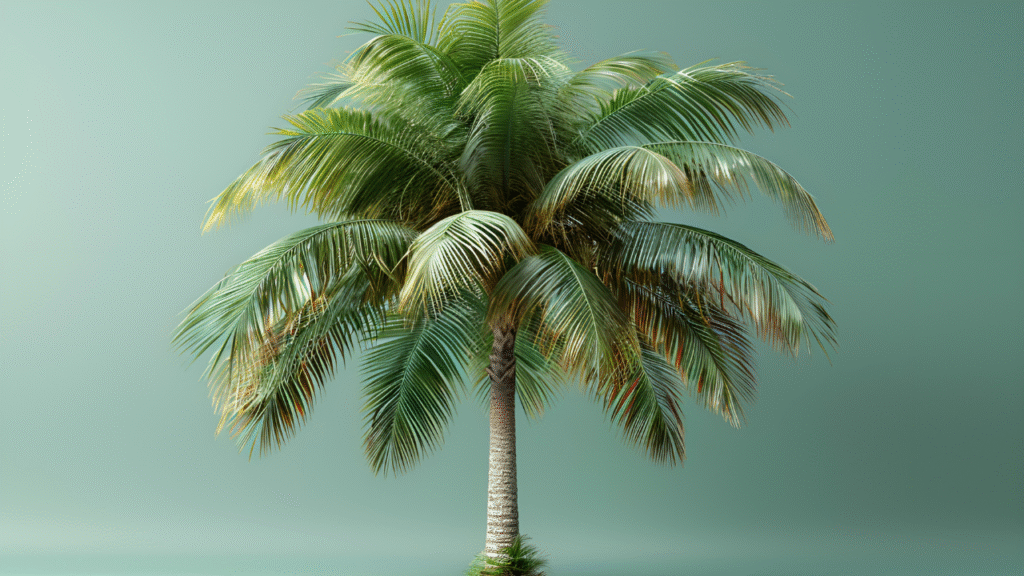
The Areca palm, also called the butterfly palm tree, is one of the most beloved choices for Indian gardens. This elegant plant features feathery, arching fronds that create a tropical atmosphere in any outdoor space. Growing in clusters with multiple stems, Areca palms typically reach heights of 20-30 feet, making them manageable for residential landscapes.
What makes the Areca palm tree special for gardens is its air-purifying quality. Research has shown that this variety effectively removes toxins from the air, creating a healthier environment around your home. The plant thrives in partial shade, making it perfect for spots under larger trees or on the eastern side of buildings where it receives gentle morning sunlight.
Caring for an Areca palm tree is straightforward. It prefers well-drained soil rich in organic matter and requires regular watering, especially during summer months. The soil should remain slightly moist but never waterlogged. Fertilizing every three months with a balanced fertilizer helps maintain the vibrant green colour of the fronds.
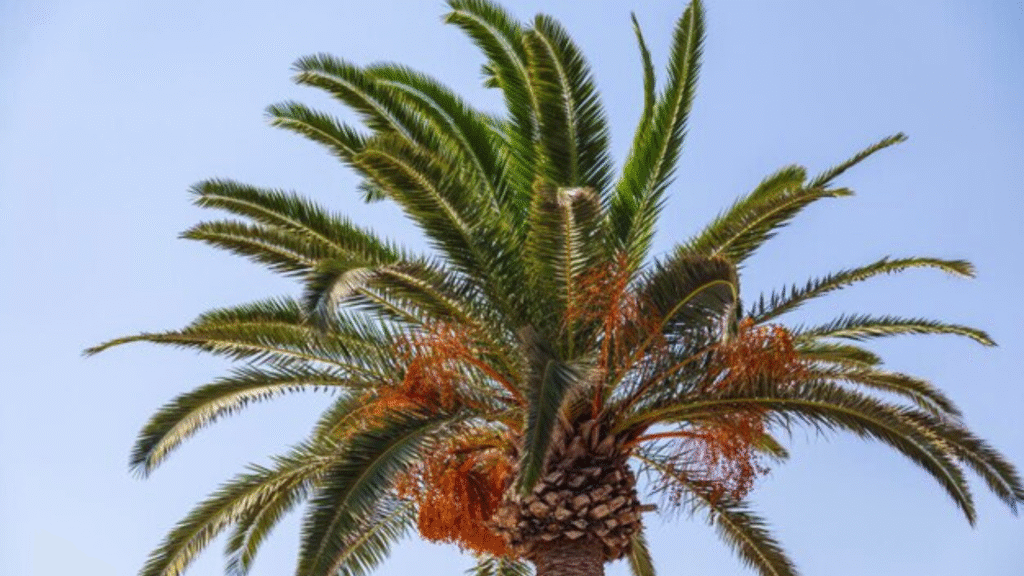
2. Date Palm (Phoenix dactylifera)
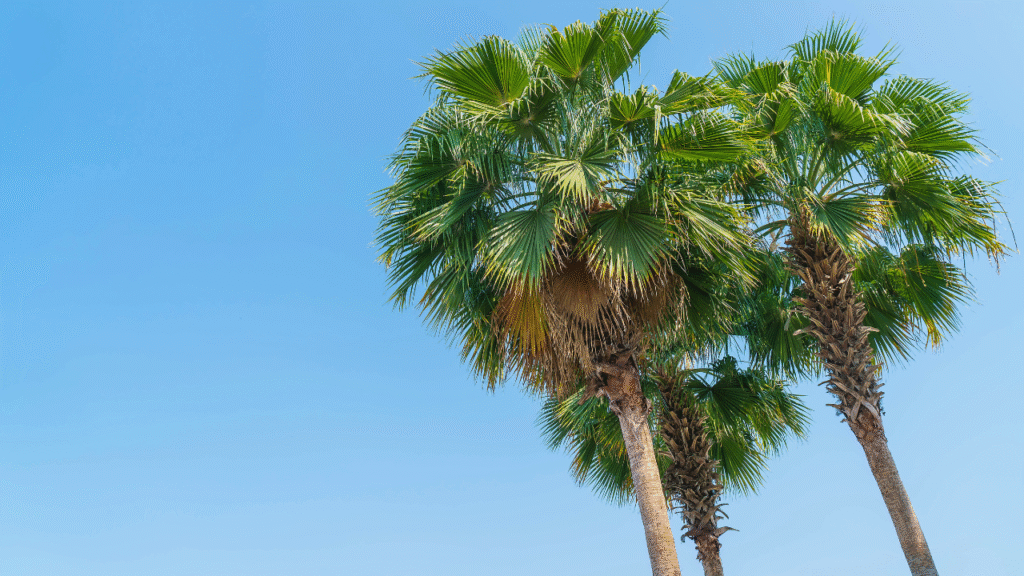
The Date palm is a classic palm tree that has been cultivated in India for centuries, particularly in western regions like Rajasthan and Gujarat. This majestic variety can grow up to 70-75 feet tall, though garden specimens are usually kept smaller through pruning and variety selection.
For home gardens, dwarf or semi-dwarf Date palm tree varieties work wonderfully. These compact versions retain all the beauty of their larger cousins while fitting comfortably in smaller spaces. The silvery-blue fronds of some Date palm varieties create stunning visual contrast against green lawns and flowering plants.
Beyond aesthetics, a Date palm tree can be productive in-home settings. Even a single tree can yield sweet, nutritious dates after 4-5 years of growth. The fruits are rich in fibre, vitamins, and minerals, making them valuable additions to a healthy diet. The tree requires full sunlight and can tolerate drought conditions once mature, though regular watering improves fruit production.
3. Fishtail Palm (Caryota mitis)
Named for its distinctive leaves that resemble fish tails, this palm tree brings unique texture to garden landscapes. Unlike the feathery fronds of most palms, Fishtail palms have bi-pinnate leaves with ragged edges that create interesting shadows and movement in the breeze.
The Fishtail palm tree grows in clumps with multiple stems, creating a dense, tropical appearance. It typically reaches 15-25 feet in height, making it suitable for medium-sized gardens. This variety prefers partial shade and protection from harsh afternoon sun, thriving under the canopy of taller trees or on the shaded sides of buildings.
One important consideration with the Fishtail palm tree is its fruit. The plant produces clusters of red berries that contain oxalic acid crystals, which can cause skin irritation. If you have young children or pets, plant this variety in less accessible areas of your garden. Despite this caution, its unique appearance and moderate size make it a conversation starter in any landscape design.
Ideal Palm Tree Options for Roadside Plantation
4. Royal Palm (Roystonea regia)
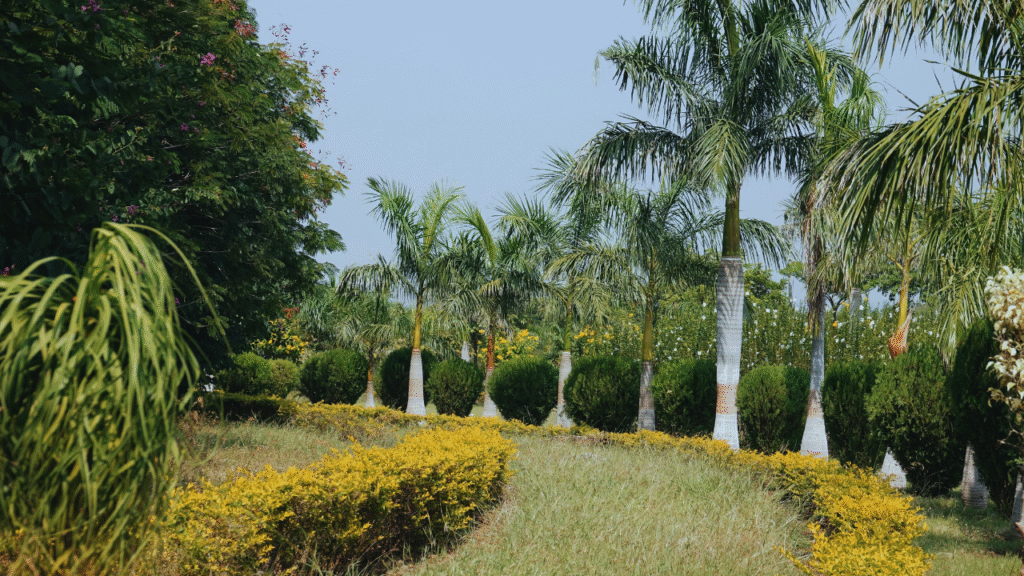
The Royal palm is the ultimate palm tree for creating dramatic roadside avenues. This towering species can reach heights of 80-100 feet, with a smooth, concrete-Gray trunk that looks like a natural column. The bright green crown shaft and arching fronds create an elegant canopy that provides welcome shade for pedestrians and vehicles.
Municipal corporations across India Favor the Royal palm tree for roadside planting because of its upright growth habit. Unlike spreading trees that can interfere with overhead power lines or buildings, this variety grows straight up with minimal lateral space requirements. The self-cleaning nature of the Royal palm means old fronds naturally detach and fall away, reducing maintenance needs.
When planning Royal palm tree plantation along roadsides, proper spacing is crucial. These palms should be planted at least 20-25 feet apart to allow their crowns to develop fully without competing for light. They require deep, well-drained soil and benefit from occasional fertilization during the growing season. Once established, Royal palms are relatively drought-tolerant and can handle urban pollution better than many other tree species.
5. Silver Date Palm (Phoenix sylvestris)
The Silver Date palm, also known as the Sugar palm tree, is native to India and perfectly adapted to local conditions. This variety gets its name from the silvery-blue hue of its fronds, which creates beautiful contrast along highways and urban streets. Growing to heights of 40-50 feet, it’s smaller than the Royal palm but equally impressive.
What makes the Silver Date palm tree exceptional for roadside use is its tolerance to various soil types and climate conditions. From the hot plains of Uttar Pradesh to the coastal regions of Maharashtra, this hardy variety thrives across diverse Indian environments. It can handle both drought and moderate flooding, making it reliable through monsoon and dry seasons.
Historically, the Silver Date palm tree has been tapped for its sweet sap, which is used to make jaggery and palm sugar. While roadside specimens aren’t typically harvested, this cultural connection makes the species meaningful in Indian landscaping. The tree requires minimal care once established and naturally resists many common palm diseases.
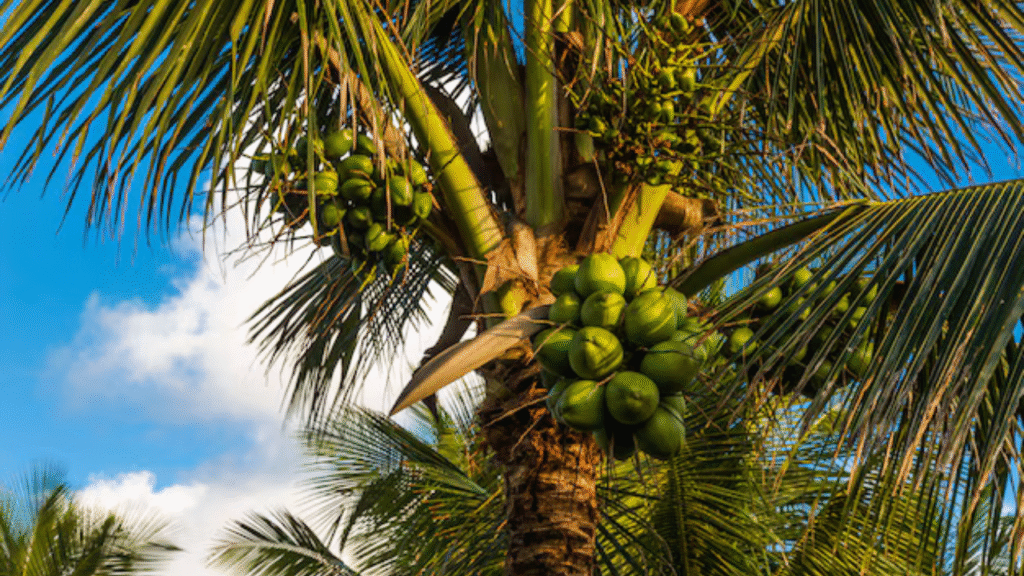
6. Coconut Palm (Cocos nucifera)
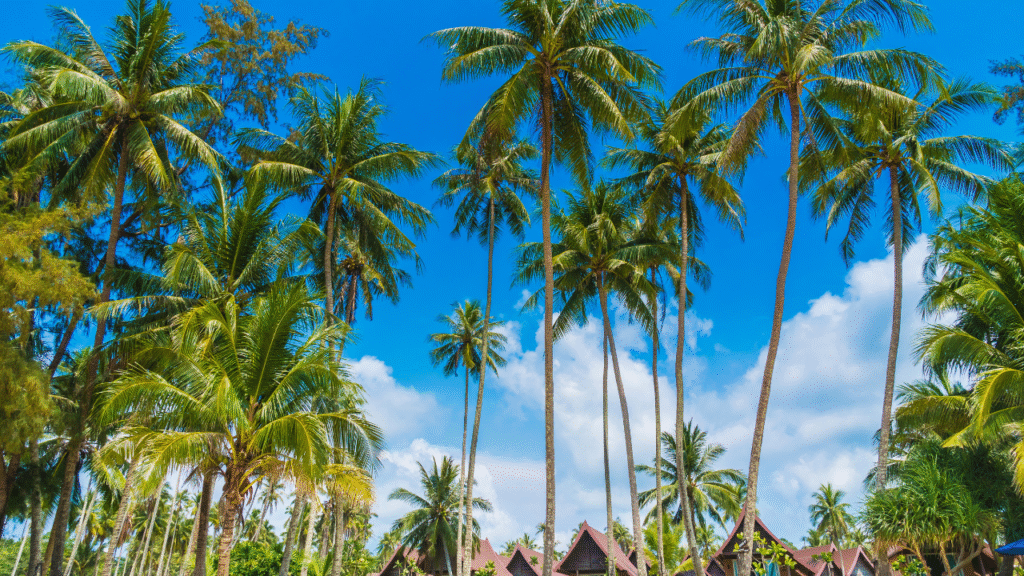
Though primarily grown for commercial purposes, the Coconut palm tree also serves excellently in roadside plantations, especially in coastal areas. This iconic tropical variety represents Indian beaches and villages, and its presence along highways creates an unmistakable sense of place.
The Coconut palm tree typically grows 60-80 feet tall with a characteristic curved or leaning trunk. The large, feathery fronds create dense shade, valuable in hot climates. Coastal highways in states like Kerala, Goa, Karnataka, and Tamil Nadu extensively use coconut palms in their roadside green belts.
One practical advantage of roadside Coconut palm tree plantation is the potential for fruit harvest. Even along public roads, the nuts can be periodically collected, creating additional revenue for maintenance departments. The trees require sandy, well-drained soil and regular rainfall or irrigation, making them most suitable for regions with adequate water availability.
Commercial Palm Tree Varieties for Farms
7. Areca Nut Palm (Areca catechu)
For farmers seeking profitable plantation crops, the Areca Nut palm tree stands as one of the most lucrative options. Extensively cultivated in Karnataka, Kerala, Assam, and parts of the Northeast, this slender palm produces the commercially valuable areca nut used in paan (betel quid) preparations.
The Areca Nut palm tree typically grows 50-60 feet tall with a smooth, ringed trunk about 6-8 inches in diameter. Unlike spreading varieties, these palms have a compact crown, allowing for dense plantation with 6-8 feet spacing between trees. This efficient land use enables farmers to cultivate 200-300 trees per acre.
Establishing an Areca Nut palm tree farm requires patience, as the trees begin bearing nuts 6-8 years after planting. However, once mature, each palm produces 200-300 nuts annually for several decades. The crop requires shade during early years, so farmers often intercrop with banana, pepper, or other shade-providing plants. Regular irrigation, organic mulching, and pest management ensure healthy yields.
8. Oil Palm (Elaeis guineensis)
The Oil Palm is a relatively recent addition to Indian agriculture but rapidly gaining importance as a palm tree crop. This variety produces oil-rich fruits used in cooking oil production, cosmetics, and biodiesel manufacturing. The Indian government actively promotes oil palm cultivation to reduce dependency on imported edible oils.
Unlike tall palms, the Oil palm tree has a shorter trunk, typically reaching only 20-30 feet even when mature. The large, pinnate fronds spread wide, creating an umbrella-like canopy. Each tree can produce 10-25 tons of fresh fruit bunches per hectare annually, making it one of the most productive oil crops globally.
Farmers interested in Oil palm tree cultivation need to ensure proper conditions. The crop thrives in areas with 2000-2500mm annual rainfall, distributed throughout the year. Well-drained loamy soils with good organic content are ideal. Trees begin bearing fruit 30-36 months after field planting, with economic life spanning 25-30 years. Many states offer subsidies and buyback guarantees to encourage oil palm farming.
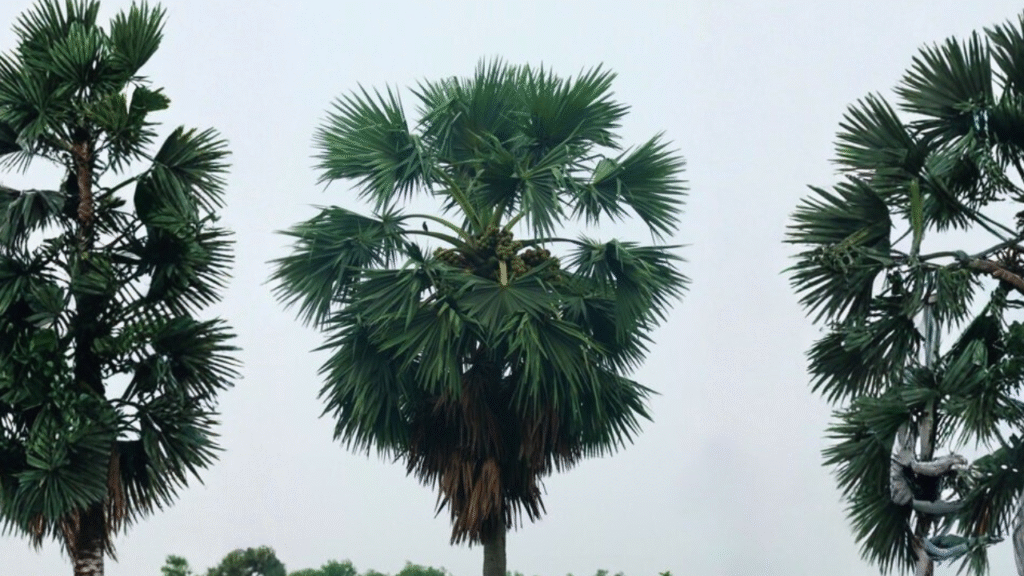
9. Palmyra Palm (Borassus flabellifer)
The Palmyra palm, or Toddy palm tree, holds cultural and economic significance across rural India. This massive variety can reach heights of 80-100 feet with a trunk diameter of 2-3 feet. The fan-shaped leaves are distinctive, spreading like giant green hands against the sky.
What makes the Palmyra palm tree valuable for farms is its multiple product streams. The sweet sap is tapped to produce toddy (palm wine), jaggery, and sugar. The fruits are edible, with the tender kernel being a delicacy. The leaves are used for thatching, basket making, and traditional writing material. Even the wood serves as durable construction timber.
Cultivating Palmyra palm tree requires minimal input once established. These hardy giants tolerate drought, poor soils, and neglect better than most crops. They’re particularly suited to semi-arid regions where other agriculture struggles. Trees begin producing sap for tapping after 12-15 years, then continue for several decades. The wide spacing requirement (30-40 feet between trees) allows farmers to intercrop with vegetables, pulses, or groundnuts.
Ornamental Palm Tree Species for Landscaping
10. Triangle Palm (Dypsis decaryi)
Though less common, the Triangle palm tree is gaining popularity among landscape architects and garden enthusiasts. This Madagascar native gets its name from the triangular arrangement of its leaves when viewed from above. The striking geometric pattern creates modern, architectural appeal in contemporary garden designs.
The Triangle palm tree grows slowly to about 20-25 feet, making it manageable for smaller properties. The thick trunk has prominent leaf scars creating interesting texture. The Gray-green fronds arch gracefully, each reaching 10-12 feet in length. This variety tolerates full sun and moderate drought once established.
For homeowners seeking a unique palm tree that stands out from common varieties, the Triangle palm delivers exceptional visual impact. It works beautifully as a focal point in minimalist gardens or paired with succulents and architectural plants in modern landscapes. While slightly more expensive than common varieties, its distinctive appearance justifies the investment for design-conscious property owners.
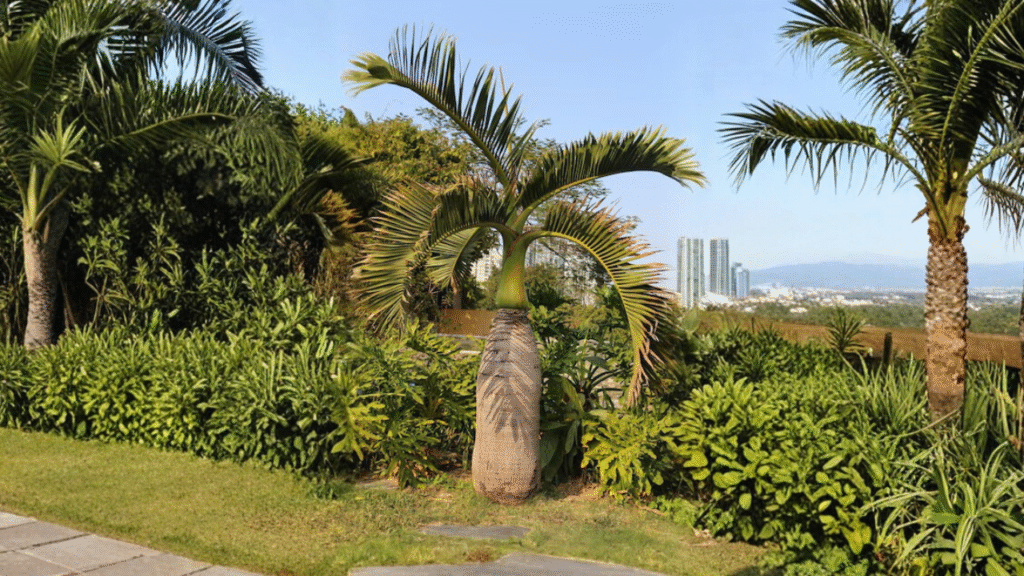
11. Bottle Palm (Hyophorbe lagenicaulis)
The Bottle palm is a conversation-starting palm tree with an unusual swollen trunk that resembles a bottle or pot. This small variety rarely exceeds 10-12 feet in height, making it perfect for compact gardens, courtyards, and container plantings.
Despite its small stature, the Bottle palm tree makes a big statement. The smooth, Gray trunk bulges dramatically in the middle, creating instant interest. The crown consists of just 4-6 arching fronds at any time, giving the plant a clean, uncluttered appearance that suits modern aesthetics.
Caring for a Bottle palm tree is relatively simple. It prefers full sun to partial shade and well-drained soil. The plant grows slowly, so patience is required, but this also means minimal maintenance. In regions with cold winters, container-grown specimens can be moved to protected areas. This versatile palm works equally well in formal garden settings, tropical-themed landscapes, or as a poolside accent.
Choosing the Right Palm Tree for Your Needs
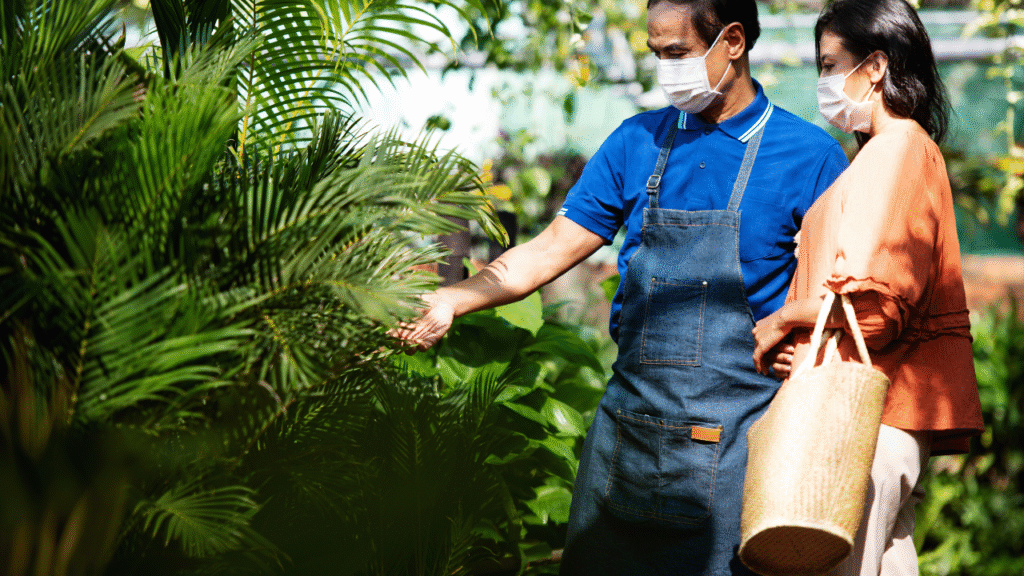
Selecting the appropriate palm tree depends on several factors including climate, space availability, purpose, and maintenance capacity. Here’s a practical framework for making your decision.
Climate Compatibility: Different palm tree species have varying temperature tolerances. Coconut and Royal palms thrive in consistently warm, humid climates, while Date palms tolerate drier, more variable conditions. Check which varieties grow successfully in your region before making purchases.
Space Considerations: Mature height and spread significantly impact palm tree selection. For small gardens, choose compact varieties like Bottle palm or dwarf Date palm. Roadsides can accommodate tall, narrow species like Royal palm. Farms have flexibility for any size depending on the commercial purpose.
Intended Purpose: Are you seeking shade, ornamental beauty, or economic returns? Coconut and Areca Nut palms offer commercial value. Royal and Silver Date palms provide excellent shade. Areca and Triangle palms deliver ornamental appeal. Match the palm tree variety to your primary goal.
Maintenance Level: Some palms require regular watering, fertilization, and pest control, while others thrive on neglect. Royal and Palmyra palms need minimal care once established. Oil palm requires consistent attention for optimal yields. Consider your available time and resources when selecting a palm tree.
Planting and Care Guidelines for Palm Trees
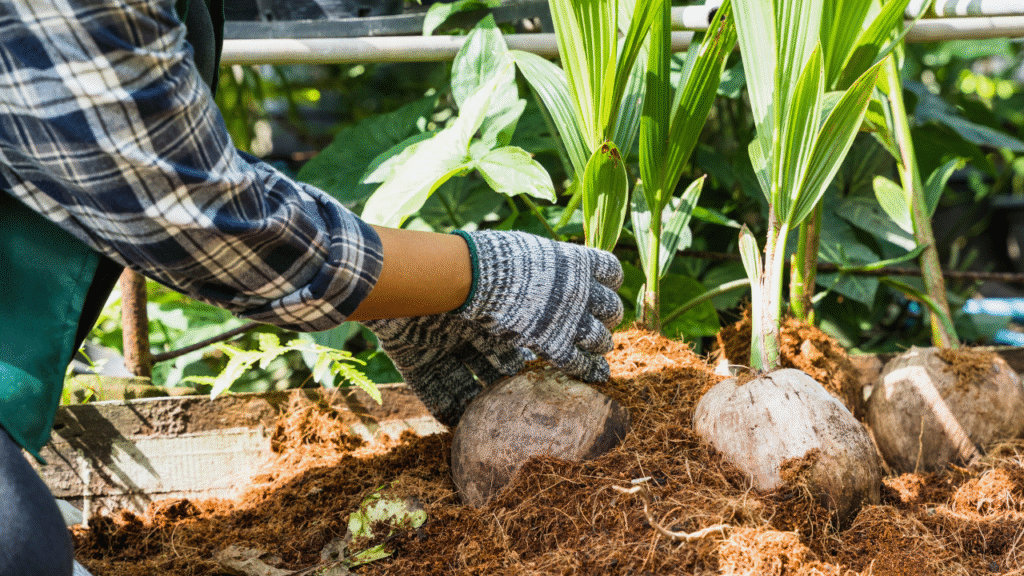
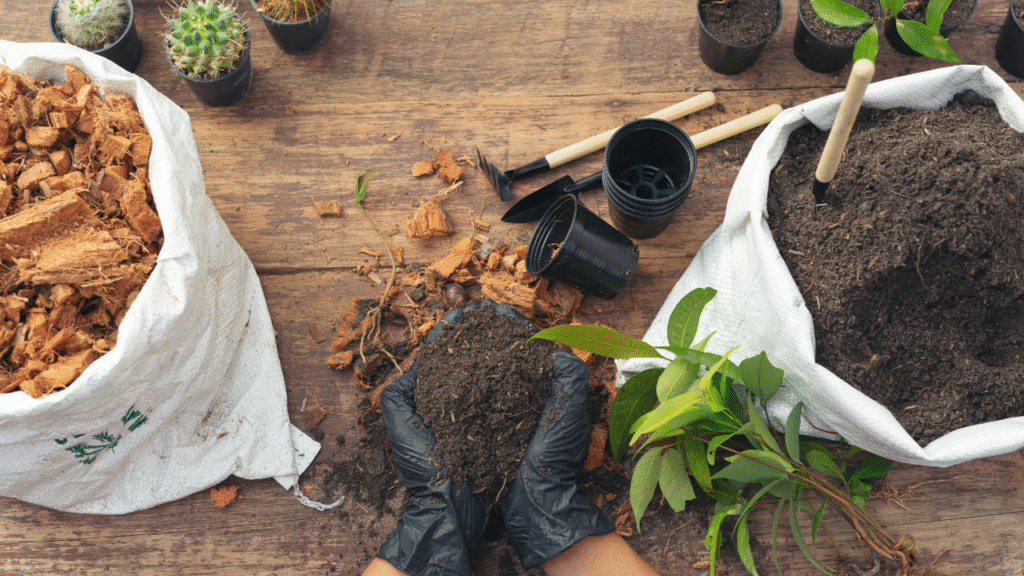
Successful palm tree cultivation begins with proper planting techniques. The best time for transplanting palms in India is just before or during the monsoon season when adequate moisture supports root establishment.
Site Preparation: Choose a location with appropriate sunlight for your palm tree variety. Dig a planting hole twice as wide as the root ball but no deeper. The top of the root ball should sit at or slightly above ground level to prevent crown rot.
Planting Process: Carefully remove the palm tree from its container, keeping the root ball intact. Place it in the prepared hole and backfill with a mixture of native soil and compost. Water thoroughly to eliminate air pockets. Create a watering basin around the trunk to help retain moisture during establishment.
Watering Requirements: Newly planted palms need consistent moisture for the first year. Water deeply 2-3 times weekly during dry periods. Established palm tree specimens have varying needs coconut palms require regular watering while Date palms tolerate drought. Adjust your irrigation schedule based on the specific variety and local rainfall.
Fertilization: Most palms benefit from regular feeding. Apply a balanced palm fertilizer (containing nitrogen, potassium, and magnesium) 3-4 times annually during the growing season. Young palms require higher nitrogen for growth, while fruiting varieties need additional potassium. Avoid fertilizers with high phosphorus, which many palm tree species don’t tolerate well.
Common Problems and Solutions
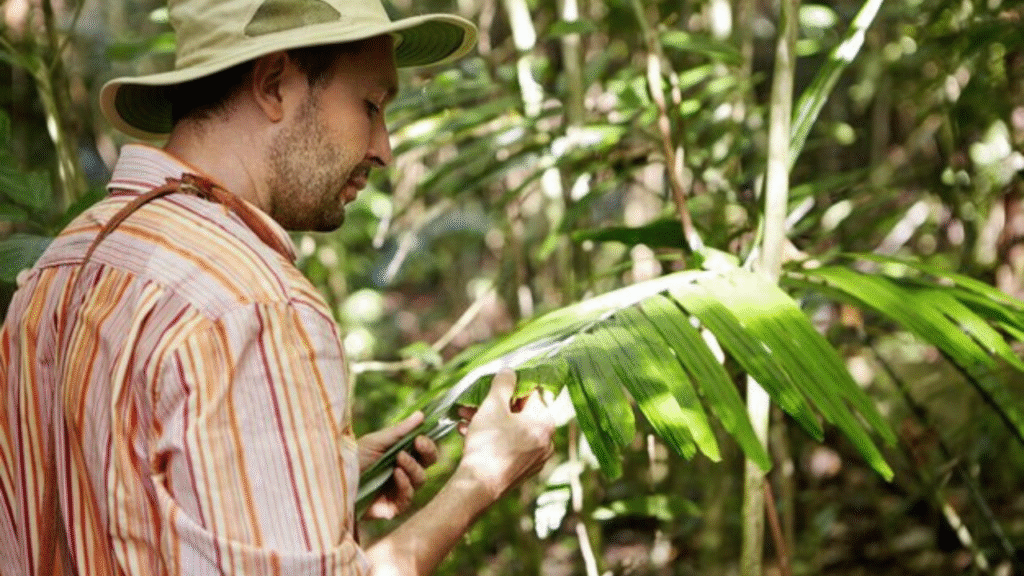
Even hardy palm tree varieties face occasional challenges. Recognizing problems early ensures successful treatment and healthy plants.
Nutrient Deficiencies: Yellow or brown fronds often indicate nutritional issues. Magnesium deficiency causes yellowing older fronds with green veins. Potassium deficiency creates orange or bronze spotting on older fronds. Iron deficiency yellows new growth. Address these through targeted fertilization with the deficient nutrient.
Pest Issues: The red palm weevil poses a serious threat to coconut and Date palm tree varieties in India. Watch for holes in the trunk, oozing sap, or wilting crown fronds. Preventive trunk injections and pheromone traps help control this devastating pest. Regular inspection of your palm tree enables early detection and treatment.
Diseases: Bud rot and root rot affect palms in poorly drained soils or excessively wet conditions. Ensure proper drainage when planting. Avoid overwatering, especially during cooler months. Remove affected fronds promptly to prevent disease spread. Fungicide applications may help in severe cases.
Environmental Stress: Cold damage, wind burn, and drought stress can harm palm tree health. Protect sensitive varieties during unexpected cold snaps using cloth coverings. Ensure adequate watering during heat waves and dry periods. Wind-resistant species like Royal palm handle storms better than those with larger fronds.
Conclusion
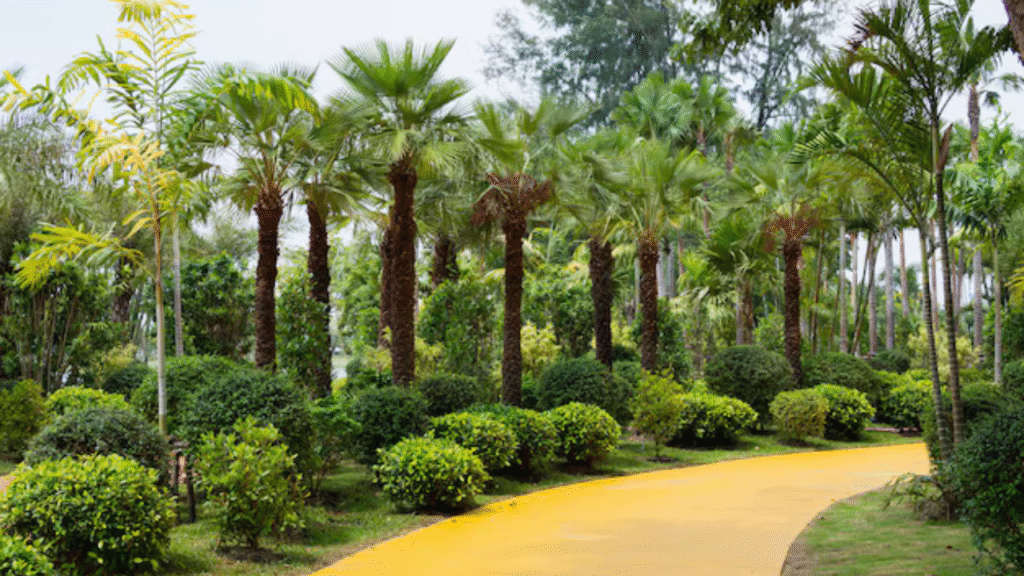
Palm tree varieties offer Indian gardeners, municipalities, and farmers an incredible range of options for beautification, shade provision, and commercial cultivation. From the elegant Areca palm gracing home gardens to the productive Areca Nut palms filling commercial farms, each variety brings unique benefits to different settings.
Whether you’re planting a single ornamental palm tree in your courtyard or establishing acres of coconut palms for copra production, understanding the characteristics, requirements, and potential of each species helps ensure success. The varieties discussed in this guide represent time-tested choices that thrive in Indian conditions, requiring reasonable care while delivering long-term value.
As you embark on your palm tree journey, remember that these magnificent plants represent long-term investments. A well-chosen, properly planted palm will grace your property for decades, providing beauty, function, and possibly income. Take time to select the right variety for your specific situation, prepare the planting site carefully, and provide appropriate care during establishment. Your patience will be rewarded with thriving palms that enhance your landscape for years to come.
The versatility and resilience of these tropical beauties make them perfect choices for India’s diverse climates and landscapes, ensuring that whether in gardens, along roadsides, or across farms, the majestic palm tree continues to define our tropical environment.
FAQs About Palm Trees in India
1. Which palm tree is best for small home gardens in India?
The Areca palm and Bottle palm are ideal for small gardens. Areca palms grow 20-30 feet tall with beautiful feathery fronds and air-purifying qualities. Bottle palms are even smaller at 10-12 feet with unique bottle-shaped trunks, perfect for compact spaces and courtyards.
2. How long does it take for a palm tree to start producing fruits?
It varies by species. Coconut palms begin fruiting after 6-8 years, Date palms produce within 4-5 years, and Areca Nut palms take 6-8 years. Oil palms are faster, bearing fruit in just 30-36 months after planting.
3. Which palm tree is most profitable for farmers?
Areca Nut palm and Oil palm are the most profitable. Areca Nut palms produce 200-300 nuts annually per tree with good market demand. Oil palms yield 10-25 tons of fruit bunches per hectare yearly and have government support with buyback guarantees.
4. Do palm trees require a lot of maintenance?
Most palm trees are low-maintenance once established. They need regular watering in the first year, fertilization 3-4 times annually, and occasional pest monitoring. Royal palms and Palmyra palms are especially hardy and need minimal care compared to other tree species.
5. Can palm trees survive in dry, drought-prone areas of India?
Yes, date palms and Palmyra palms are extremely drought-tolerant and thrive in semi-arid regions like Rajasthan and Gujarat. Once established, they can handle long dry periods. Silver Date palms also adapt well to various climate conditions across India.