
How to Create and Maintain a Beautiful Lawn Area in Your Home

Picture this: you wake up on a Sunday morning, step outside with your cup of tea, and see a beautiful green Lawn Area stretching out before you. The grass is soft under your feet, and everything looks fresh and peaceful. Sounds wonderful, right? Having a great lawn area is not just about making your home look pretty. It’s about creating a space where your family can play, relax, and make happy memories together.
Many people think that creating a perfect lawn area is very difficult or expensive. But the truth is, with the right knowledge and a little bit of effort, anyone can have a beautiful lawn area. Whether you have a big garden or a small space in front of your house, this guide will help you understand everything you need to know about lawn areas.
In this blog, we’ll walk through every step of creating and caring for your lawn area. We’ll talk about planning, choosing the right grass, planting, watering, and keeping your lawn area healthy throughout the year. By the end of this guide, you’ll have all the information you need to create the lawn area of your dreams.

What Exactly Is a Lawn Area?
Before we dive into the details, let’s understand what a lawn area actually is. A lawn area is simply a piece of land covered with grass that is kept short and even by mowing. It’s the green carpet you see in gardens, parks, and outside homes.
A lawn area can serve many purposes. Some families use their lawn area for children to play games like cricket or football. Others use it as a peaceful spot to read books or have picnics. Some people just love looking at their green lawn area because it makes them feel calm and happy.
The size of your lawn area doesn’t matter much. You can have a small lawn area in your front yard or a large one in your backyard. What matters is that you take care of it properly so it stays green, healthy, and beautiful.

Planning Your Perfect Lawn Area
Creating a great lawn area starts with good planning. You can’t just throw some grass seeds on the ground and hope for the best. Let’s look at the important things you need to think about before you start working on your lawn area.
Understanding Your Space
First, take a good look at the space where you want to create your lawn area. Walk around it at different times of the day. Notice which parts get lots of sunshine and which parts stay in shade. This is important because grass needs sunlight to grow well.
Measure your lawn area carefully. You need to know the size so you can buy the right amount of grass seeds or grass rolls. If your lawn area is going to be 100 square meters, you’ll need more materials than if it’s just 20 square meters.
Think about the shape of your lawn area too. Will it be a simple rectangle or square? Or will it have curves and interesting shapes? Many people like to have a nicely shaped lawn area because it looks more attractive than just a plain square patch of grass.
Checking Your Soil
The soil in your lawn area is like the foundation of a building. If the foundation is weak, the building won’t stand strong. Similarly, if your soil is not good, your grass won’t grow well.
Dig up a small amount of soil from different spots in your lawn area. Look at it carefully. Is it sandy and loose? Or is it heavy and full of clay? The best soil for a lawn area is somewhere in the middle not too sandy and not too heavy.
You can also check if your soil has enough nutrients. Healthy soil should be dark brown or black in colour. If your soil looks very light or pale, it might need some organic matter like compost to make it better for your lawn area.
Deciding Your Budget
Creating a lawn area requires some money, so it’s smart to plan your budget from the start. Think about what you’ll need to buy. You might need grass seeds or ready-made grass rolls, fertilizer to feed your lawn area, tools like a lawn mower, and maybe a watering system.
Don’t worry if you don’t have a big budget. You can create a beautiful lawn area even with less money. It might just take a bit more time and effort. The important thing is to plan carefully so you don’t run out of money halfway through your lawn area project.

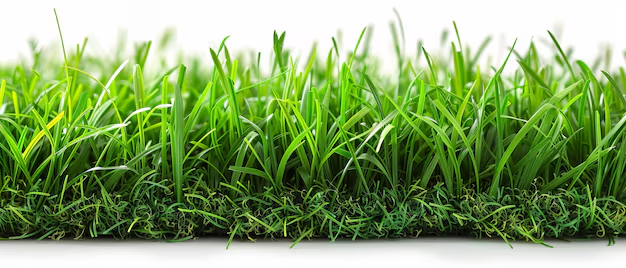
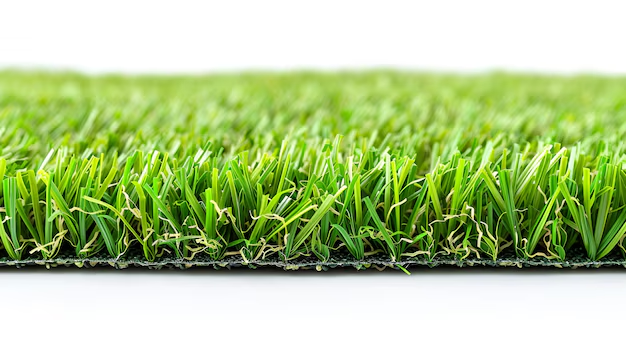
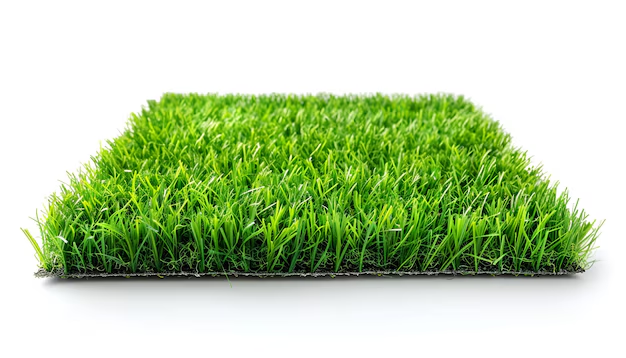
Choosing the Right Grass for Your Lawn Area
Not all grass is the same. Different types of grass work better in different conditions. Choosing the right grass for your lawn area is one of the most important decisions you’ll make.
Understanding Different Grass Types
In India, some grass types work better than others. Bermuda grass is very popular for lawn areas because it can handle heat well and doesn’t need too much water. It creates a thick, soft lawn area that feels nice under your feet.
Another good option is Korean grass, also called carpet grass. This grass creates a very dense lawn area that looks like a green carpet. It stays short naturally, so you don’t have to mow your lawn area as often.
For shady lawn areas, you might want to try St. Augustine grass. This type can grow even when it doesn’t get full sunlight all day. If parts of your lawn area are under trees or buildings, this could be a good choice.
Matching Grass to Your Climate
Think about the weather in your area. Is it very hot most of the year? Does it rain a lot? Is winter very cold? Your lawn area grass needs to be able to handle your local climate.
In hot places like Rajasthan or Gujarat, you need grass that can survive high temperatures. Your lawn area will do better with heat-tolerant grasses like Bermuda or Zoysia grass.
In cooler areas or places with more rain, you have more options. You could try Kentucky bluegrass or perennial ryegrass. These create beautiful lawn areas but need more water and care than some other types.
Seeds vs. Ready-Made Grass Rolls
You have two main choices for starting your lawn area: grass seeds or ready-made grass rolls (also called sod or turf).
Grass seeds are cheaper and good if you’re patient. You scatter them on your prepared lawn area and wait for them to grow. This takes time usually several weeks before your lawn area starts looking good. But it’s a budget-friendly option.
Ready-made grass rolls give you an instant lawn area. You roll them out on your prepared soil, and suddenly you have a green lawn area right away. This costs more money but saves a lot of time. If you want to use your lawn area quickly, this might be the better choice.

Preparing Your Lawn Area for Planting
Once you’ve planned everything and chosen your grass type, it’s time to prepare your lawn area. This step is really important. If you prepare your lawn area properly, your grass will grow strong and healthy.
Clearing the Space
Start by removing everything from your future lawn area. Pull out all the weeds, old grass, rocks, and any other stuff lying around. You want a clean space to work with.
If there are big weeds or old grass roots, dig them out completely. If you leave them, they might grow back and compete with your new grass for water and nutrients. Your lawn area will look much better if you start with a completely clean space.
Levelling the Ground
Walk around your lawn area and check if the ground is level. Are there bumps and dips? A bumpy lawn area doesn’t look nice and can cause problems when you try to mow it.
Use a rake to level out your lawn area. Fill in the low spots with good soil and flatten the high spots. Try to make your lawn area as even as possible. This might take some time, but it’s worth the effort.
Make sure your lawn area slopes very slightly away from your house. This helps water drain away properly. If water collects in puddles on your lawn area, the grass might die in those spots.
Improving the Soil
Now it’s time to make your soil perfect for your lawn area. Spread a layer of compost or organic matter over your entire lawn area. This adds nutrients that grass needs to grow strong and green.
Mix this organic matter into the top layer of soil. You can use a garden fork or a tiller to do this. Work it in about 15 to 20 centimetres deep across your whole lawn area.
If your soil is very sandy, add some clay or peat moss to help it hold water better. If your soil is very heavy with clay, add sand to improve drainage. The goal is to create the perfect environment for your lawn area grass to thrive.
Planting Your Lawn Area
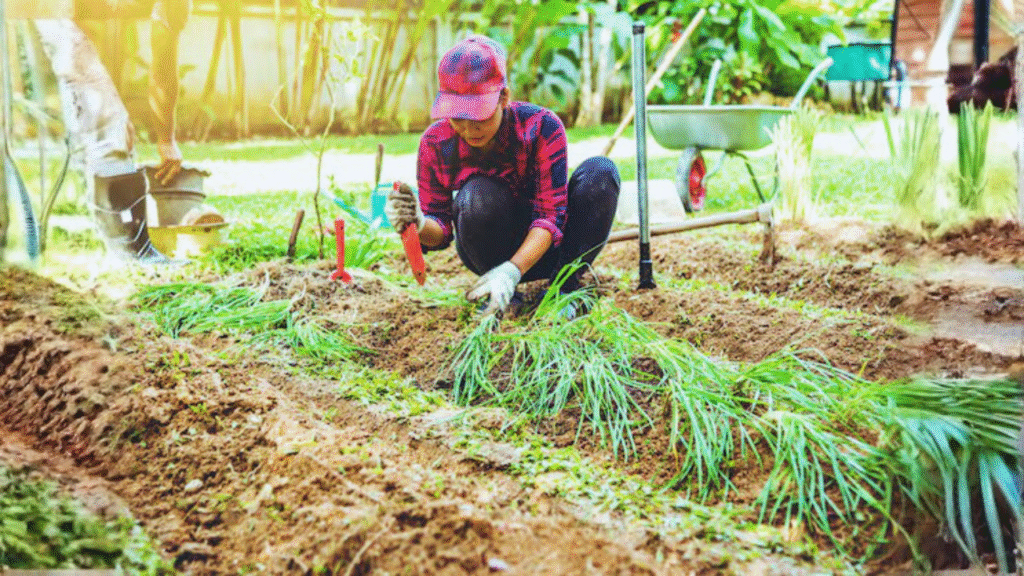
Now comes the exciting part actually planting your lawn area! Whether you’re using seeds or grass rolls, follow these steps carefully for the best results.
Planting Grass Seeds
If you’ve chosen to use seeds for your lawn area, pick a good time for planting. The best time is usually just before the rainy season or in early spring when the weather is mild.
Spread the seeds evenly across your entire lawn area. You can do this by hand or use a seed spreader tool. Make sure you don’t put too many seeds in one spot and too few in another. Your lawn area will look patchy if the seeds aren’t spread evenly.
After spreading seeds, lightly rake your lawn area so the seeds get mixed with the top layer of soil. Then, gently press down the soil with a roller or by walking carefully over your lawn area. This helps the seeds make good contact with the soil.
Cover your newly planted lawn area with a thin layer of straw or mulch. This keeps the seeds moist and protects them from birds who might eat them. Water your lawn area gently so you don’t wash away the seeds.
Installing Grass Rolls
Installing grass rolls is faster than planting seeds, but you need to work quickly. Once grass rolls are cut, they need to be laid within 24 hours or they might die.
Start laying your grass rolls along one edge of your lawn area. Place them in a brick-like pattern, so the seams don’t line up. This makes your lawn area look more natural and helps it grow together better.
Press each roll firmly into the soil as you lay it. You want good contact between the grass roots and the soil underneath. Don’t leave any air pockets, or the grass might not take root properly in your lawn area.
Use a sharp knife to cut grass rolls to fit the edges and corners of your lawn area. Water your newly laid lawn area immediately and heavily. The grass needs lots of water to establish roots in its new home.
Watering Your Lawn Area Properly
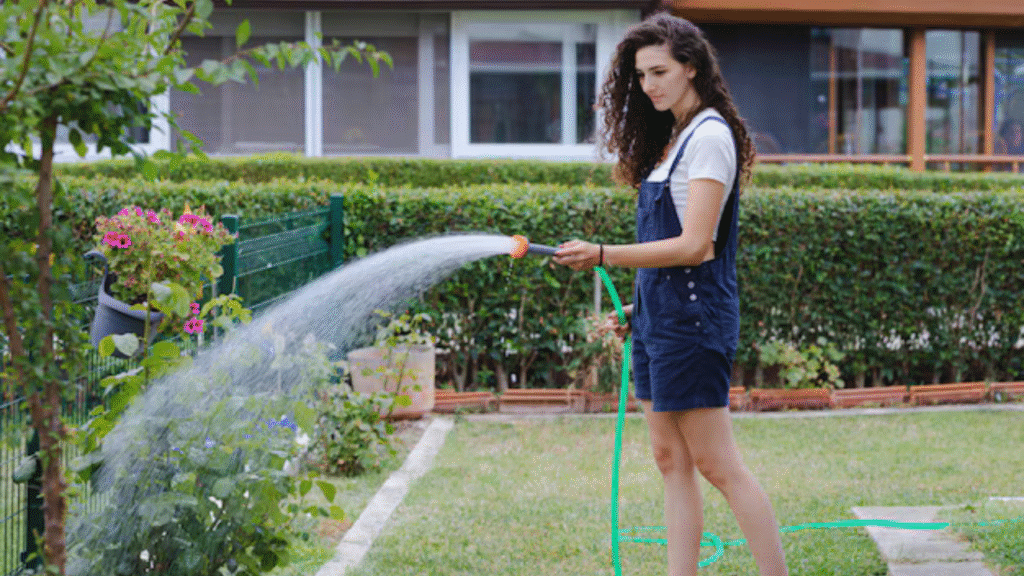
Water is life for your lawn area. But watering isn’t just about turning on a hose and spraying water everywhere. There’s a right way to do it that will keep your lawn area healthy and green.
How Much Water Does Your Lawn Area Need?
Most lawn areas need about 2.5 to 4 centimetres of water per week. This includes rainwater, so if it rains, you don’t need to water your lawn area as much.
The best way to water your lawn area is deeply but less frequently. Instead of watering a little bit every day, water your lawn area thoroughly two or three times a week. This encourages grass roots to grow deeper, making your lawn area stronger and more drought-resistant.
Check if your lawn area needs water by walking on it. If your footprints stay visible for more than a few seconds, your lawn area needs watering. The grass should bounce back quickly when it has enough water.
Best Time to Water Your Lawn Area
The best time to water your lawn area is early morning, just after sunrise. At this time, the air is cool, so less water evaporates. Your lawn area can absorb the water it needs before the hot sun comes out.
Avoid watering your lawn area in the evening. If grass stays wet overnight, it can develop diseases. Also, avoid watering during the hottest part of the day. Much of the water will evaporate before it reaches the roots of your lawn area.
Watering Systems for Your Lawn Area
You have several options for watering your lawn area. The simplest is using a garden hose and moving it around manually. This is fine for small lawn areas but can be tiring for larger spaces.
A sprinkler system works great for medium to large lawn areas. You can get rotating sprinklers that water your entire lawn area evenly. Some people install automatic sprinkler systems that turn on at set times, which is very convenient.
Drip irrigation isn’t usually used for lawn areas because it’s designed for watering specific plants. Stick with sprinklers or hoses for your lawn area watering needs.
Mowing Your Lawn Area
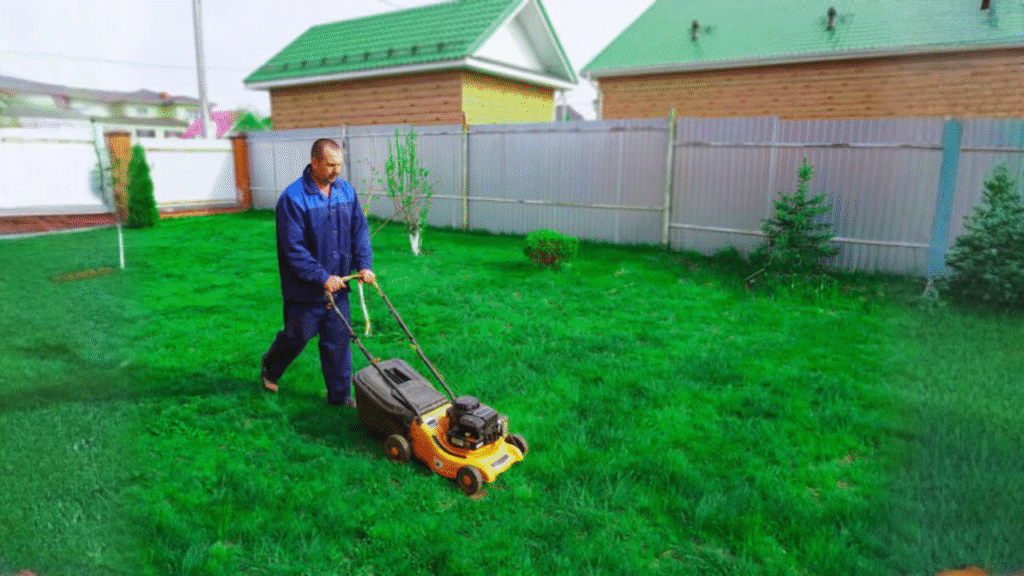
Regular mowing keeps your lawn area looking neat and actually helps the grass grow thicker. But there’s more to mowing than just cutting grass short. Let’s learn how to mow your lawn area properly.
How Often Should You Mow Your Lawn Area?
Most lawn areas need mowing once a week during the growing season. In hot weather, grass grows faster, so you might need to mow your lawn area more often. In cooler months, grass grows slower, so you can mow less frequently.
A good rule is the one-third rule. Never cut more than one-third of the grass height at once. If you cut too much, you shock the grass and your lawn area might turn brown. It’s better to mow your lawn area more often and take off less each time.
The Right Height for Your Lawn Area
Different grass types have different ideal heights. For most lawn areas in India, keeping grass between 2.5 to 4 centimetres tall works well.
Taller grass is actually healthier for your lawn area. Longer blades shade the soil, reducing water evaporation and making your lawn area more drought-resistant. Taller grass also develops deeper roots, making your lawn area stronger.
Don’t scalp your lawn area by cutting it too short. Very short grass gets stressed easily and weeds can invade more easily. Keep your lawn area at a comfortable height and it will stay healthier.
Mowing Patterns for Your Lawn Area
Don’t mow your lawn area in the same pattern every time. Change your mowing direction each time you cut the grass. This prevents the grass from leaning in one direction and helps your lawn area look more even and upright.
One week, mow your lawn area from north to south. The next week, mow from east to west. You can even mow diagonally sometimes. Your lawn area will look better and the grass will grow more evenly.
Keep your mower blades sharp. Dull blades tear grass instead of cutting it cleanly, which can damage your lawn area and make it look brown at the tips.
Feeding Your Lawn Area
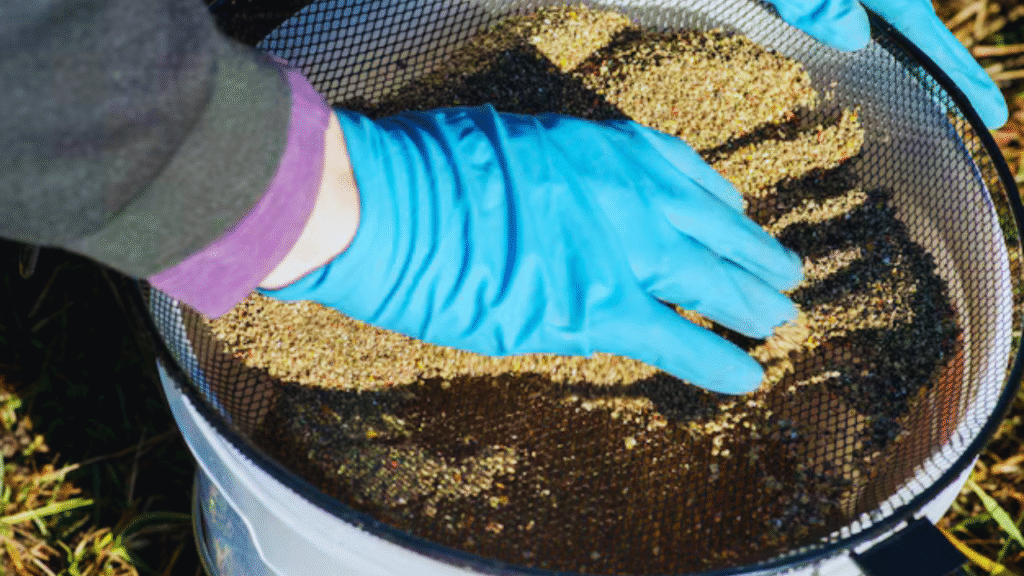
Just like you need food to stay healthy and strong, your lawn area needs nutrients to stay green and beautiful. Fertilizing your lawn area gives it the food it needs to thrive.
Understanding Lawn Area Fertilizers
Fertilizers contain three main nutrients that your lawn area needs: nitrogen, phosphorus, and potassium. Nitrogen makes grass green and helps it grow. Phosphorus helps root development in your lawn area. Potassium makes grass tough and disease-resistant.
You’ll see these nutrients listed as three numbers on fertilizer packages, like 10-10-10 or 20-5-10. These numbers tell you the percentage of each nutrient. For most lawn areas, a balanced fertilizer works well.
When to Fertilize Your Lawn Area
The best time to fertilize your lawn area is during its growing season. For most grasses, this means fertilizing in spring and fall. Some lawn areas benefit from a light feeding in summer too.
Don’t fertilize your lawn area when it’s dormant (not growing actively). The grass can’t use the nutrients, so you’re wasting money. Also, don’t fertilize your lawn area during very hot, dry weather, as this can burn the grass.
A typical lawn area needs fertilizing three to four times a year. Follow the instructions on your fertilizer package carefully. Using too much fertilizer can actually harm your lawn area by burning the grass.
How to Apply Fertilizer to Your Lawn Area
Spread fertilizer evenly across your entire lawn area. You can use a broadcast spreader for large lawn areas or spread it by hand for smaller spaces. Make sure you cover your whole lawn area evenly so some parts don’t get more fertilizer than others.
Water your lawn area after applying fertilizer. This helps the nutrients soak into the soil where grass roots can absorb them. It also prevents the fertilizer from burning your lawn area.
Wear gloves when handling fertilizer and wash your hands afterward. Keep pets and children off your lawn area for a few hours after fertilizing, until you’ve watered it in completely.
Seasonal Care for Your Lawn Area
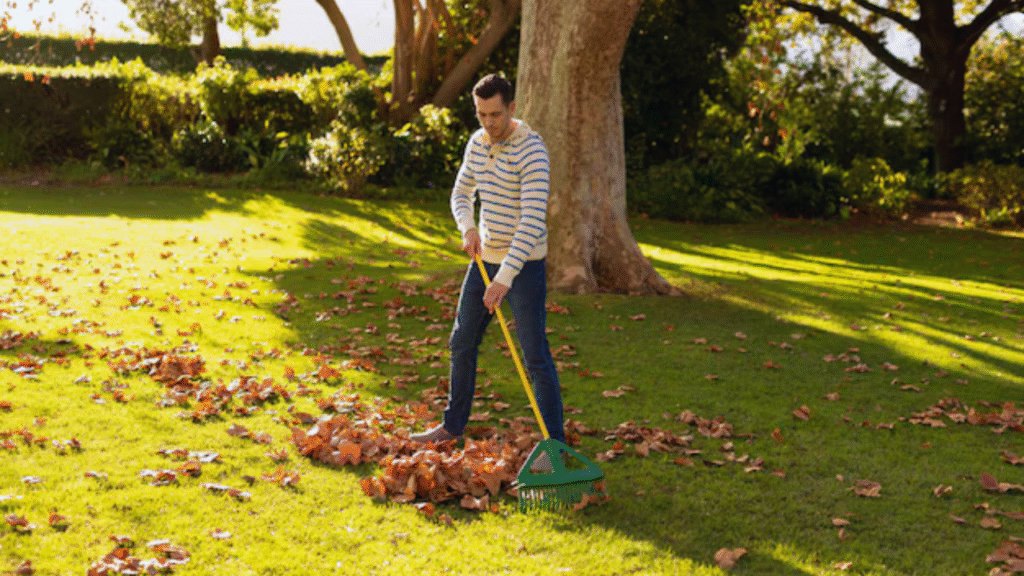
Your lawn area needs different care depending on the season. Understanding what your lawn area needs at different times of year will help you keep it looking great all year round.
Spring Lawn Area Care
Spring is wake-up time for your lawn area. As the weather warms up, grass starts growing actively again. This is a great time to give your lawn area some extra attention.
Rake your lawn area to remove dead grass and debris that accumulated over winter. This helps air and light reach the growing grass. You might also want to aerate your lawn area in spring, which means making small holes in the soil to improve drainage and root growth.
Apply fertilizer to your lawn area in spring to give grass the energy it needs for the growing season. This is also a good time to overseed any bare spots in your lawn area where grass has died or thinned out.
Summer Lawn Area Maintenance
Summer can be tough on your lawn area, especially during very hot weather. Your main focus should be on proper watering to keep your lawn area from drying out.
Raise your mower height during summer. Taller grass shades the soil better, keeping your lawn area cooler and reducing water loss. Don’t fertilize your lawn area during the hottest months, as this can stress the grass.
Watch for signs of stress in your lawn area, like grass that doesn’t bounce back after you walk on it or areas that turn brown. Increase watering if needed, but remember to water deeply and less frequently rather than giving your lawn area little bits of water every day.
Fall Lawn Area Preparation
Fall is one of the best times to work on your lawn area. The weather is cooler, there’s often more rain, and grass grows well during this season.
This is a perfect time to aerate your lawn area if you didn’t do it in spring. It’s also ideal for overseeding to thicken up your lawn area before winter. Apply fertilizer in fall to help your lawn area store energy for winter and come back strong in spring.
Keep mowing your lawn area in fall until the grass stops growing. Continue watering if rainfall isn’t enough, but you can gradually reduce the amount as winter approaches.
Winter Lawn Area Care
Many grasses go dormant in winter, meaning they stop growing and turn brown. This is normal, and your lawn area will green up again when warmer weather returns.
During winter, try to keep foot traffic off your lawn area as much as possible. Frozen or dormant grass breaks easily when walked on. If you have a pathway across your lawn area, consider using stepping stones during winter.
You don’t need to water your lawn area much in winter unless your area has very dry winters. Keep your lawn area clear of heavy debris like fallen branches that could smother the grass.

Environmental Benefits of Your Lawn Area
Having a lawn area isn’t just about making your property look nice. Your lawn area actually helps the environment in several important ways.
How Your Lawn Area Cleans the Air
The grass in your lawn area absorbs carbon dioxide and releases oxygen, just like trees do. A healthy lawn area helps improve air quality around your home. The grass also traps dust and other particles from the air, making the air cleaner for your family to breathe.
Cooling Effect of Your Lawn Area
Have you noticed that standing on grass feels cooler than standing on concrete or bare soil? Your lawn area helps cool the area around your home. Grass releases water vapor through its leaves, which cools the air. This is why parks and areas with lots of lawn areas feel more comfortable on hot days.
Soil Protection from Your Lawn Area
The grass in your lawn area holds soil in place with its roots. This prevents soil erosion during heavy rains. Without grass or plants covering it, soil can wash away, causing problems. Your lawn area helps protect and preserve the soil on your property.
Common Mistakes to Avoid with Your Lawn Area
Let’s talk about some mistakes people often make with their lawn areas, so you can avoid them and keep your grass healthy.
Overwatering Your Lawn Area
Many people think more water is always better for their lawn area, but this isn’t true. Too much water can actually harm your lawn area by encouraging shallow root growth, diseases, and moss. It also wastes water. Water your lawn area deeply but less frequently instead of giving it small amounts of water every day.
Cutting Your Lawn Area Too Short
Some people think cutting grass very short means they won’t have to mow their lawn area as often. But this stresses the grass and makes your lawn area more vulnerable to weeds, diseases, and drought. Keep your lawn area at the proper height for your grass type.
Ignoring Lawn Area Problems
When you notice a problem with your lawn area, address it quickly. A small patch of weeds or disease can spread and take over your entire lawn area if left untreated. Check your lawn area regularly and deal with issues as soon as you spot them.
Conclusion: Enjoying Your Beautiful Lawn Area
Creating and maintaining a beautiful lawn area takes some work, but the rewards are worth it. Your lawn area becomes a place where your family can play, relax, and create memories together. It adds beauty to your home and value to your property.
Remember, the perfect lawn area doesn’t happen overnight. It takes time for grass to establish strong roots and fill in completely. Be patient with your lawn area and consistent with your care routine. Even if your lawn area doesn’t look perfect at first, it will improve with time and attention.
The most important thing is to enjoy the process. Working on your lawn area can be therapeutic and satisfying. There’s something wonderful about seeing the results of your care lush green grass that looks and feels amazing.
Whether you have a small lawn area in front of your apartment or a large lawn area surrounding your house, the principles of good lawn care remain the same. Give your lawn area the right amount of water, keep it properly mowed, feed it when needed, and address problems quickly.
Your lawn area is a living thing that will respond to the care you give it. Treat it well, and you’ll have a beautiful green space that brings joy to your home for years to come. So, get out there, put on your gardening gloves, and start creating the lawn area you’ve always wanted. Your perfect lawn area is waiting for you.
FAQ About Lawn Area
FAQ 1: What is the best grass for a home lawn area in India?
The best grass for a home lawn area in India depends on sunlight, climate, and maintenance level. Popular choices include Doob grass, Korean grass, and Bermuda grass because they are heat-tolerant, grow well in Indian conditions, and require moderate care.
FAQ 2: How much sunlight is required to maintain a healthy lawn area?
Most lawn grasses need at least 4–6 hours of direct sunlight daily to stay green and healthy. If your lawn area receives less sunlight, you should choose shade-tolerant grass varieties and avoid overwatering.
FAQ 3: How often should I water my lawn area?
Watering your lawn area 2–3 times a week is usually enough. Early morning watering is best as it reduces water evaporation and helps the grass absorb moisture effectively.
FAQ 4: What are the basic maintenance tips for a beautiful lawn area?
Regular mowing, proper watering, seasonal fertilization, and removing weeds are key maintenance steps. Aerating the soil once or twice a year also helps improve grass growth and keeps the lawn area healthy.
FAQ 5: Can I create a lawn area in a small space or backyard?
Yes, you can create a lawn area even in small spaces or backyards. Choosing the right grass, proper soil preparation, and smart landscaping designs can help you maintain a beautiful lawn area in limited space.