
How to Use Snake-Repelling Plants in Your Home Garden: A Complete Guide
Keeping snakes away with plants may sound like some old-fashioned garden hack, but honestly, it’s just smart gardening. You don’t need chemicals, traps, or stressful solutions nature already has its own toolkit. When you choose the right mix of plants, plan your garden layout wisely, and maintain the space regularly, you naturally make your garden a place snakes don’t want to explore. And the best part? Your garden still looks beautiful, fresh, and safe for your kids, pets, and family.
Think of it like setting healthy boundaries in your garden. Snakes aren’t evil they’re just looking for shelter and food. But by using snake-repelling plants, you gently tell them, “This place isn’t for you.” These plants create strong scents, textures, and natural barriers that discourage snakes from coming too close. And the process is simple enough for any home gardener.
In this guide, we’ll walk through every step together. By the end, you won’t just learn about snake-repelling plants you’ll have a clear, practical action plan you can apply right away. Of course, no method can guarantee snakes will never appear, but this natural approach significantly lowers the chances and keeps your garden safer, fresher, and more inviting for the people who actually use it.
Why Choose Natural Snake Repellents?
Using natural methods to keep snakes away is not only safer but also much smarter in the long run. Instead of relying on harsh chemical sprays or toxic powders, natural snake-repelling plants help you build a cleaner, healthier environment around your home. They work slowly but steadily and unlike chemicals, they don’t pollute your garden or put your loved ones at risk.
Benefits Over Chemical Repellents
Chemical repellents may give you quick relief, but they come with several hidden dangers. Many chemical sprays can harm useful insects like bees and butterflies, disrupt soil microbes, and even contaminate vegetables growing nearby. If you have pets or children at home, these chemicals pose an even bigger risk because they can linger on surfaces or mix with the soil.
Snake-repelling plants, on the other hand, are a natural, long-term solution. Once planted, they grow on their own, spread gradually, and continue to release scents that snakes dislike. They also add beauty to your garden bright flowers, fresh green leaves, and pleasant fragrances create a warm, welcoming atmosphere while still keeping snakes at bay. In short, you get safety and a more attractive garden at the same time
Environmental and Safety Advantages
Choosing plants instead of chemicals also helps protect the environment. Since there are no toxic substances involved, you don’t have to worry about harmful chemicals entering the groundwater, affecting your soil quality, or harming birds and small animals. Plants naturally blend into your garden ecosystem and support it rather than damage it.
Many snake-repelling plants are multitaskers too. For example, lemongrass, citronella, and garlic not only help deter snakes but are also useful as herbs or home remedies. You can enjoy their fragrance, use them in cooking, or even make natural sprays from them. So, along with keeping snakes away, you also get health benefits and fresh ingredients right from your garden.
How Do Snake-Repelling Plants Work?
Scents, textures, and habitat disruption
Most plants believed to repel snakes do so through strong scents (which may mask the smells snakes use to hunt), irritating textures (sharp foliage), or by changing the micro-habitat (removing damp, sheltered areas snakes like). For example, the strong scent of lemongrass or marigold can be unpleasant to some snakes; tough, upright leaves of Sansevieria create uncomfortable surfaces.
Which snakes are affected (general explanation)
Not all snakes behave the same. Some are attracted to rodent populations rather than plant scents. So plants work best as part of an integrated approach: remove food (rodents), remove shelter (wood piles, dense ground cover), and plant smartly.
Top Snake-Repelling Plants You Can Grow
Here are reliable options you can use. I’ll call out any safety or practical tips for each.
Marigold (Tagetes)
Marigolds release a distinct scent that many pests dislike. They’re easy to grow, flower profusely, and make a good perimeter border. Plant them along paths and beds.
Lemongrass (Cymbopogon)
Lemongrass (and citronella species) has a strong citrusy aroma. It repels many insects and can be unpleasant for snakes. It’s hardy and grows into dense clumps ideal for borders.
Garlic and Onion family
Garlic and onion produce sulfurous compounds that give off a strong smell. Plant them in beds or as a companion plant to other shrubs.
Neem (Azadirachta indica)
Neem trees and their leaves have insecticidal properties and a bitter aroma. While not a foolproof snake repellent, neem helps by reducing insect populations and altering the yard’s scent profile.
West Indian lemongrass / Citronella
Citronella plants are famous for mosquito control but also contribute strong scents that may deter snakes from lingering.
Mother-in-law’s tongue (Sansevieria)
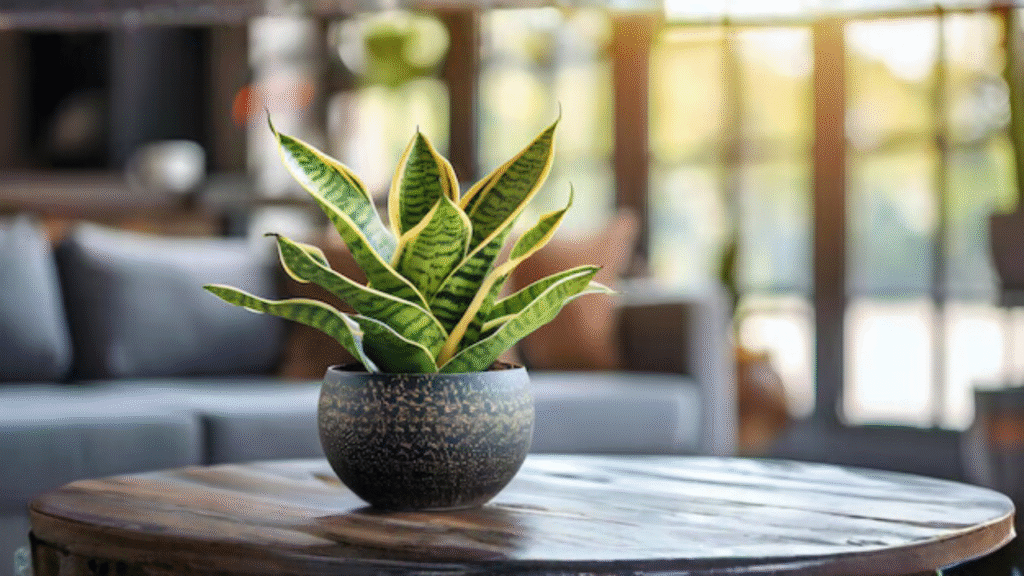
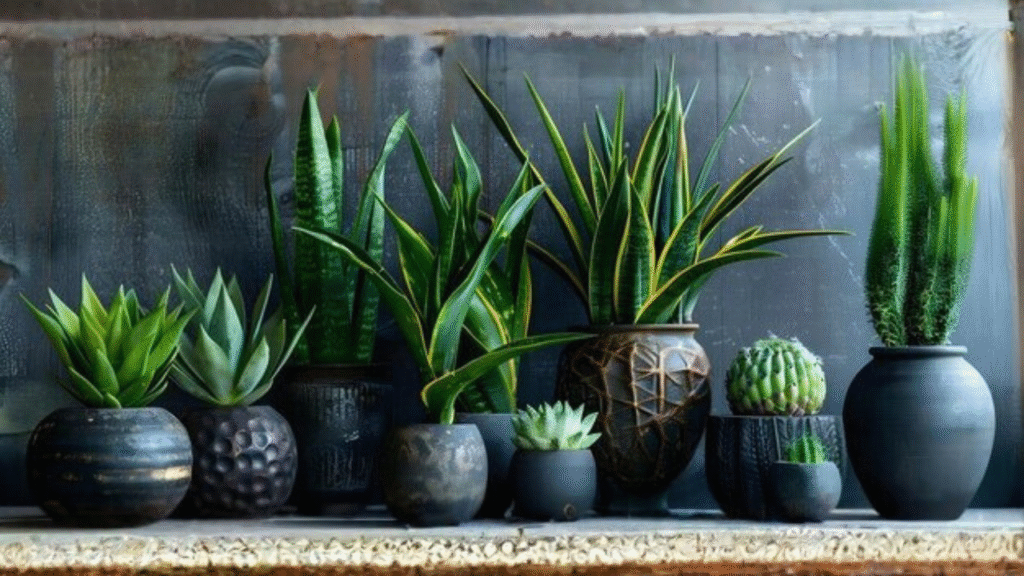
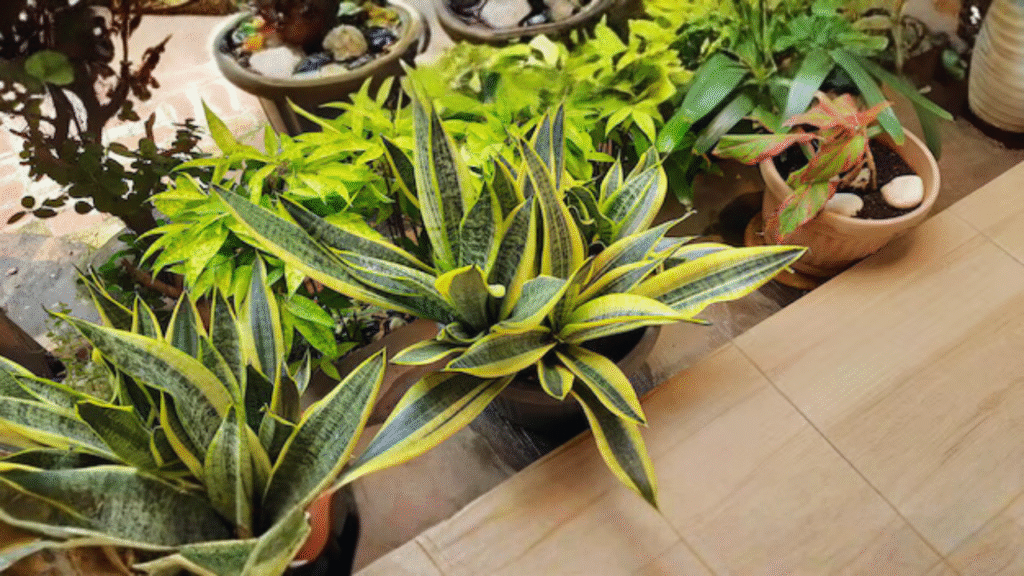
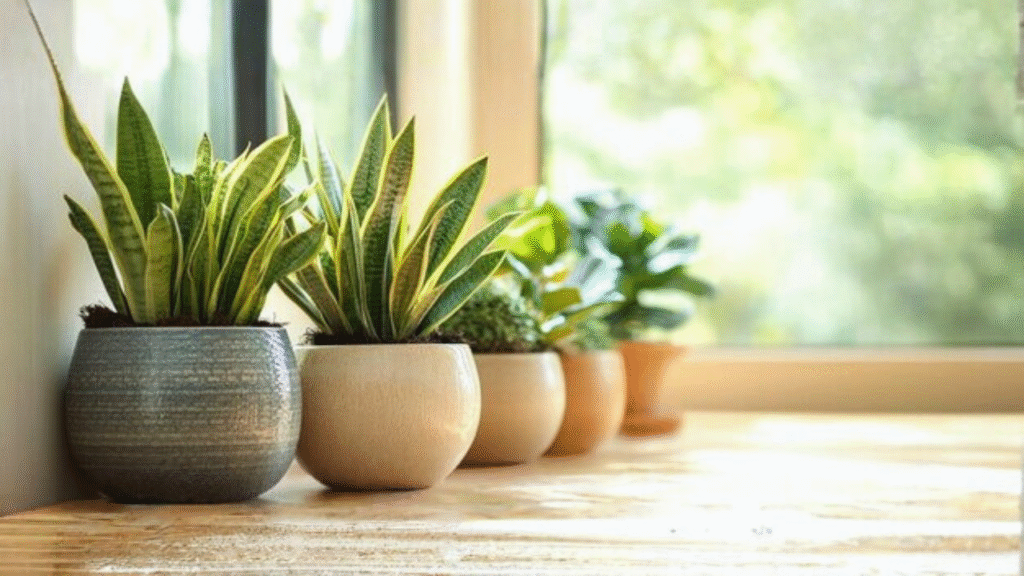
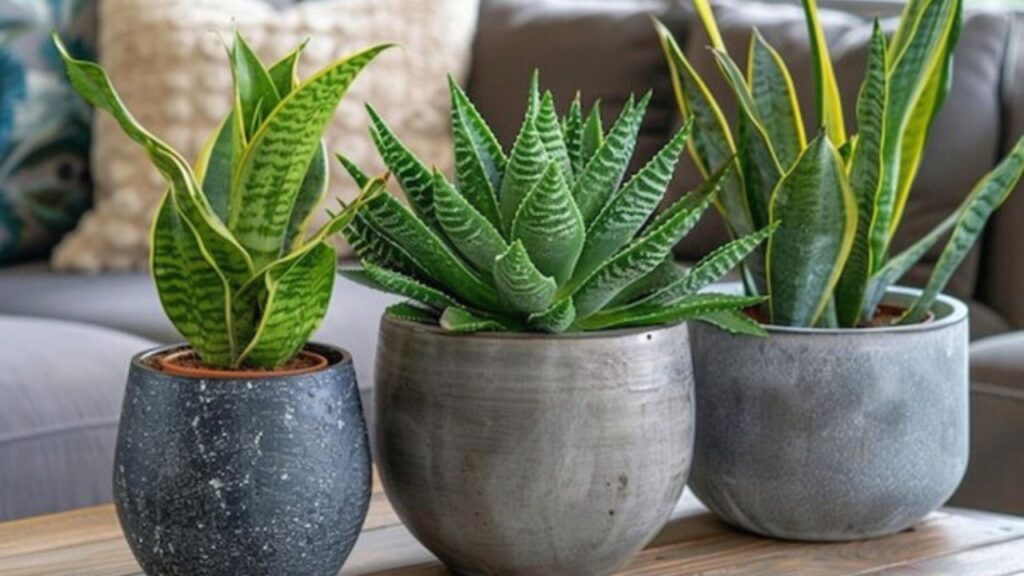
This tough, vertical-leaf plant creates a spiky, uncomfortable surface and is nearly impossible for snakes to use as shelter. It’s ideal along foundations and walls.
Castor (with safety note)
Castor is traditionally cited as a snake deterrent but the seeds are highly toxic to humans and pets. Use with extreme caution better in fenced, adult-only gardens or avoid planting castor where kids/pets roam.
Aromatic trees & shrubs (e.g., kaffir lime, Indian gooseberry)
Aromatic shrubs or small trees change the scent composition of your garden. Strategic planting near doors or entryways can be helpful.
Designing a Snake-Resistant Garden Layout
Perimeter planting strategies
Create a defensive ring of snake-unfriendly plants around the edges of your property. Use dense, aromatic species like lemongrass and marigolds along the boundary. This creates both a visual barrier and a scent barrier.
Pathways, mulches, and drainage considerations
Snakes love cool, damp hiding spots. Keep pathways clear, use coarse mulches (avoid deep, wet organic mulches near foundations), and ensure good drainage so soil doesn’t stay soggy. Paved paths with narrow planting beds can reduce hiding spots.
Avoiding rock piles and dense groundcover
Don’t create landscape features that double as snake hotels. Rock or wood piles, dense ornamental grasses, and very thick groundcovers attract rodents and provide shelter. If you need decorative stones, lay them flat and keep them in small, supervised areas.

Planting Techniques Step-by-Step
Choosing the right soil and pot/container
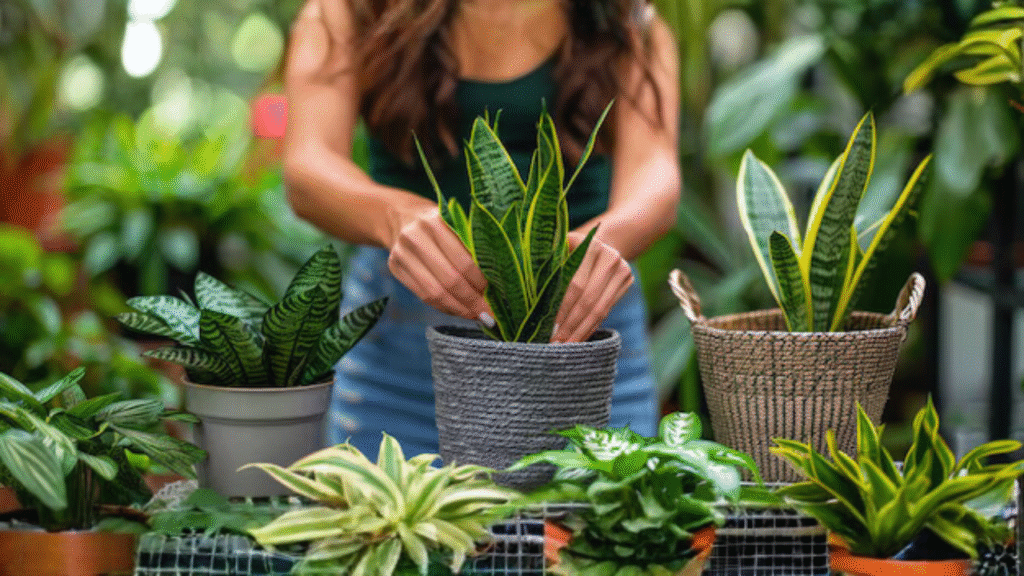
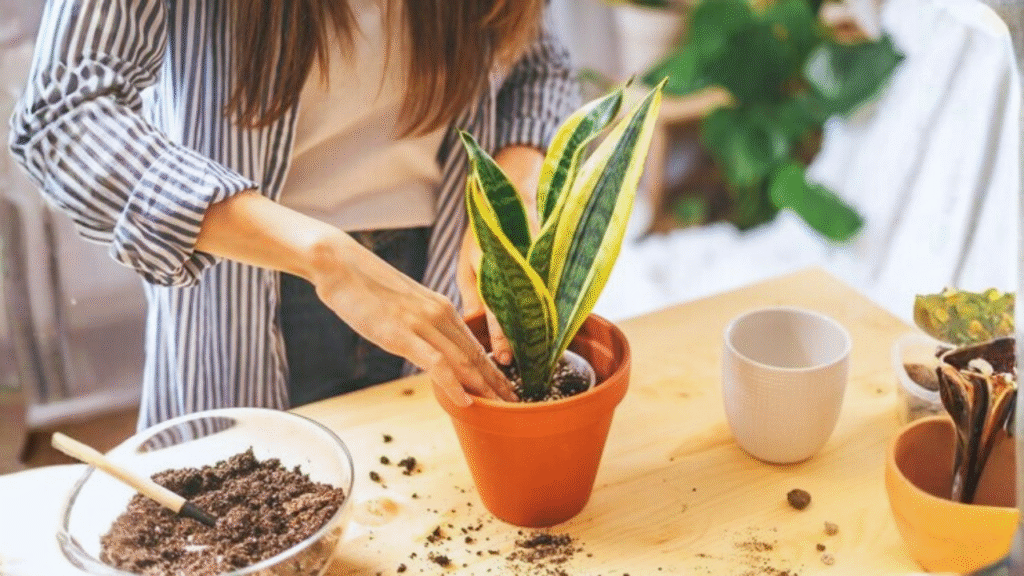
Most repellent plants aren’t fussy: lemongrass likes well-drained soil, marigolds thrive in ordinary garden soil, and Sansevieria tolerates poorer mixes. For balcony gardeners, use pots with good drainage and a sturdy potting mix.
Spacing, companion planting, and seasons
Give clumping plants room to grow. Lemongrass wants at least 1–1.5 feet between clumps. Marigolds can be planted closer (20–30 cm apart). Companion planting e.g., garlic near roses helps boost benefits and keeps maintenance simple. Plant in early monsoon or after frost passes, depending on your region.
Transplanting and starter care
Start seeds or buy healthy saplings. Harden off seedling plants before moving them outdoors. Water carefully for the first few weeks; once established, many of these plants are drought-tolerant.
Maintenance Tips to Keep Snakes Away
Keeping snakes out of your garden isn’t just about planting the right herbs or shrubs it’s also about maintaining the space so snakes don’t find it comfortable to live in. A well-managed garden naturally becomes less inviting to them. Here’s how simple routine care can make a big difference.
Pruning, Watering, and Mulch Management
Regular pruning is one of the easiest ways to keep snakes away. When plants grow wildly or form dense, shady patches, they create perfect hiding spots. By trimming them often, you open up the space, increase sunlight, and reduce the cozy corners snakes prefer. Think of it as giving your garden a gentle haircut to keep it clean and safe.
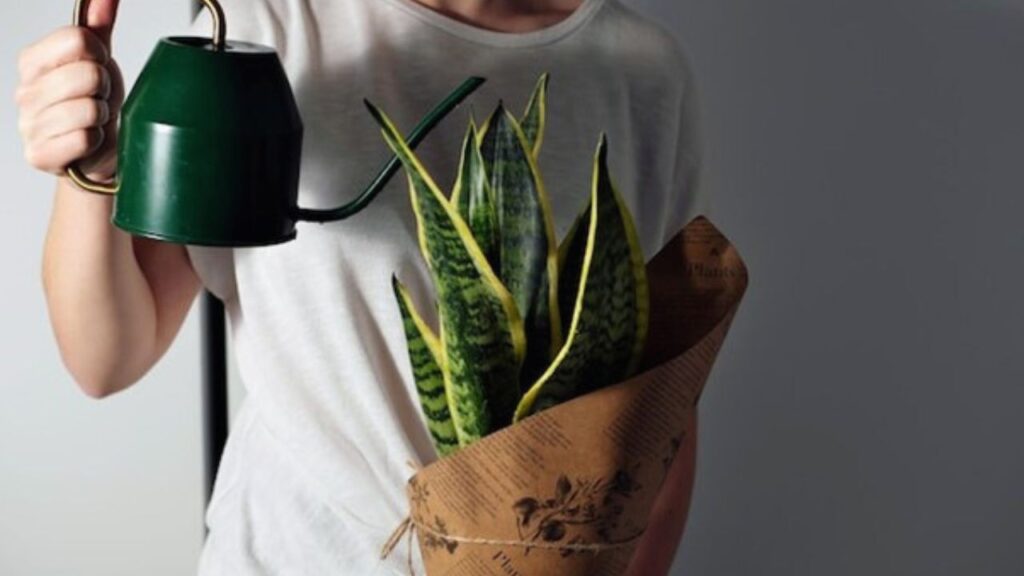
Watering at the right time is also important. When you water early in the morning, the soil gets enough time to dry out during the day. Snakes, like many pests, love cool, damp areas so keeping your garden dry prevents them from settling in. Overwatering, especially in shaded areas, can accidentally create moisture pockets that attract them.
Mulch is great for retaining moisture and improving soil health, but if not managed properly, it can become a snake’s favorite hiding place. Soft, thick mulch layers stay damp underneath, making them ideal for snakes. Instead, rake or replace mulch regularly and avoid piling it too high. If you live in an area with frequent snake sightings, switch to coarse mulch like gravel or small stones near your home’s foundation. This rough texture makes crawling uncomfortable for snakes and discourages them from coming close.
Removing Food Sources and Hiding Spots (Pests & Rodents)
Snakes rarely come “just because.” They follow food. If your garden has rodents, insects, frogs, or small pests, snakes will naturally show up to hunt. So the best way to keep snakes away is to remove what attracts them in the first place.
Start with good hygiene practices:
• Keep compost bins tightly closed.
• Always store pet food indoors.
• Use trash cans with tight, rodent-proof lids.
• Clean up fallen fruits or vegetables promptly.
If you notice signs of rats or mice like droppings or small burrows address the rodent problem immediately. Controlling rodents is often the single most effective way to reduce snake visits, because without food, snakes have no reason to stay.
Also inspect your garden for clutter: piles of wood, unused pots, construction debris, or thick groundcover can act like “hotel rooms” for snakes. Clearing these areas not only makes your garden look tidier but also removes potential hiding places. The cleaner and more open your garden is, the harder it becomes for snakes to settle in.

Safety Notes: Pets, Children, and Toxic Plants
Plants to avoid near kids/pets
Castor seeds, certain ornamental peppers, and some bulb plants can be toxic. Check before planting: if you have pets or small children, avoid highly toxic plants or place them out of reach (high planters, fenced pot beds).
Safe alternatives and signage
If you must plant something mildly toxic, consider clear labeling and teach family members about garden safety. Use fenced planter boxes for adults-only plants.
Integrating Other Natural Methods
Sound, light, and vibration considerations
Some folks try motion-activated lights or sprinklers to startle nocturnal animals. While results vary, these can be useful near entry points. Avoid devices that stress wildlife or pets.
Use of natural oils and home-made sprays
Garlic or neem-based sprays can make a small area temporarily less attractive. These are not long-term solutions but can be used around doors and storage sheds for extra protection.
When Plants Aren’t Enough Professional Help
Recognizing snake species and risk levels
If you see venomous snakes or signs (shed skin, regular sightings), don’t attempt to remove them yourself. Note the snake’s appearance and behaviour from a safe distance and call local wildlife rescue or pest control.
When to call pest control or wildlife rescue
Frequent sightings, large snakes, or snakes inside the home warrant professional help. Professionals can safely relocate animals and advise on sealing entry points and long-term deterrence.

Common Myths vs Facts About Snake-Repellent Plants
Myth: One plant will keep all snakes away
No single plant is a silver bullet. Plants help reduce risk but don’t guarantee zero snakes. Think of plants as one tool in a toolbox.
Fact: Multi-layered approach works best
Combine perimeter planting, habitat management, rodent control, and sensible maintenance for meaningful reduction in snake visits.
Seasonal Checklist Monthly Care Guide
Monsoon care (India-centric notes)
Monsoon means damp soils keep pruning, improve drainage, and avoid deep organic mulch near foundations. Watch for increased rodent movement after heavy rains.
Hot summer and winter adjustments
In summer, deep-rooted plants may need occasional watering. In winter, protect tender plants from frost (if relevant) or move potted plants indoors/near walls.
Conclusion
Using snake-repellent plants is one of the simplest and most eco-friendly ways to make your home garden safer. These plants don’t create a perfect, snake-proof shield and honestly, no plant can but they do help you build a natural defense that reduces snake visits significantly. Think of them as part of a bigger, smarter garden strategy.
When you choose the right mix of aromatic, sharp-leaf, or dense plants, you naturally make your garden less welcoming to snakes. Combine this with a thoughtful layout like keeping the ground clean, improving drainage, trimming dense areas, and sealing places where snakes could hide and you’ll notice a real difference. Add regular maintenance, such as removing food sources like rodents or insects, and your garden becomes even safer.
At the end of the day, it’s all about balance. You’re creating a green space that’s both beautiful and safe for your family. With consistent care and the right plant choices, your garden can become a peaceful place to relax, without the constant worry of snakes. It’s a long-term approach that’s natural, cost-effective, and surprisingly easy to follow and your garden will thank you for it.
Frequently Asked Questions (FAQs)
Q1: Will planting lemongrass and marigolds guarantee that snakes never enter my garden?
A1: No, no plant guarantees total exclusion. However, lemongrass and marigolds can make the area less attractive to some snakes. Combine them with habitat and rodent control for best results.
Q2: Are snake-repellent plants safe for pets and kids?
A2: Many are safe (marigolds, lemongrass, Sansevieria is non-toxic to humans but may irritate pets if chewed). Avoid highly toxic plants like castor where children or pets have access. Always check plant toxicity before planting.
Q3: How quickly will a snake-repellent planting plan show results?
A3: Some benefits (scent barrier, visual deterrent) are immediate, but long-term reduction in snake visits depends on plant maturity and removing shelter/food sources. Expect measurable improvement in a few months with proper maintenance.
Q4: Can I use essential oils or sprays instead of plants?
A4: Essential oils (like citronella or garlic-based sprays) can help temporarily but are not long-term solutions. They may need frequent reapplication and can wash away in rain.
Q5: My garden already has snakes what should I do now?
A5: Keep a safe distance, secure children and pets indoors, and call local wildlife rescue or a qualified pest controller. After removal, implement the plant-and-habitat strategy outlined above to reduce future visits.