Weed Killer Guide: How to Remove Weeds Safely and Keep Them Gone for Good”

Weeds, the uninvited guests that never seem to leave. You pull them out, and within a few days, they’re right back like they own the place. They sneak through cracks in your driveway, crowd your favourite flower beds, and steal nutrients from the plants you’ve actually worked hard to grow. Every gardener, homeowner, or plant lover knows that battle all too well.
But here’s the thing fighting weeds doesn’t have to feel like a losing war. With the right weed killer and a smart strategy, you can reclaim your garden without turning it into a chemical battlefield. Whether you prefer eco-friendly DIY methods or effective commercial weed killers, understanding how they work (and when to use them) can make all the difference.
This guide will help you tackle weeds from every angle from identifying what kind you’re dealing with to choosing the safest, most effective weed killer for your space. You’ll also learn simple, long-term tricks to stop them from coming back. Think of it as your step-by-step plan for a healthier, greener, and cleaner yard no guesswork, no endless weeding, and no unnecessary chemicals.
So, before you rush to grab that bottle from the store shelf, take a moment. Once you understand your weeds and how to handle them the right way, you’ll spend less time pulling and more time enjoying your garden just the way it should be.
Why Weed Killer are more than just an eyesore
Weeds compete with the plants you want for nutrients, water, and sunlight. Some spread aggressively, outcompeting native species and creating maintenance headaches. They also attract pests and can hide hazards like snakes in long grass. So managing weeds is both about looks and about plant and ecosystem health.
Understanding Weed Killer

What is a weed? (Biology in simple terms)
A weed is any plant growing where people don’t want it. Biologically, weeds often have traits that let them thrive in disturbed or neglected soils: fast germination, high seed output, deep roots, or the ability to resprout from fragments. They’re survivors adaptable and persistent.
Common types of weeds (broadleaf, grassy, invasive)
- Broadleaf weeds — like dandelions and clover. They usually have wider leaves and show distinct shapes.
- Grassy weeds — crabgrass and annual ryegrass are examples. They look similar to lawn grass but compete aggressively.
- Invasive or creeping weeds — bindweed, ivy, and certain sedges spread via rhizomes or stolon’s and are tough to remove.
Knowing the type helps you pick the right control method.
Different Types of Weed Killers
Chemical herbicides (selective vs non-selective)
- Selective herbicides target specific types of plants for example; broadleaf herbicides kill dandelions but spare typical lawn grasses. Great for treating weeds in established lawns.
- Non-selective herbicides (like glyphosate-containing products) kill most green plants they touch. Use on driveways, fence lines, or when you want to clear an area completely.
Pre-emergent herbicides
Applied before weed seeds germinate. They create a chemical barrier in soil that stops seeds from taking root. Best for seasonal weeds like crabgrass apply in early spring for many climates.
Post-emergent herbicides
Work on weeds that are already growing. They may be systemic (absorbed and moved through the plant) or contact (burns the foliage). Systemic ones are useful for deep-rooted weeds; contact ones are good for quick results on young weeds.
Organic and natural weed killers
These include vinegar-based sprays, natural fatty acid herbicides, corn gluten meal (a pre-emergent), and physical treatments. They’re generally safer for pets and wildlife but may require repeat applications and careful timing.
Mechanical and manual control
Pulling, hoeing, cutting, and using tools like dandelion diggers are old-school but effective, especially for small patches and where chemicals are undesirable.
How to Choose the Right Weed Killer

Consider your lawn, garden, or hardscape
What are you treating? A lawn? Between paving stones? A vegetable patch? Choose selective herbicides for lawns, non-selective for paved areas, and avoid broad herbicides in vegetable gardens unless you remove all edible plants first.
Safety, pets, and children
If you have pets or kids, prefer pet-safe or organic methods, or use products labelled safe for those settings. Always follow label instructions for re-entry periods after application.
Timing and weather considerations
Don’t spray before rain you’ll wash the product away. Avoid windy days to prevent drift. Many herbicides work best when weeds are actively growing (not dormant) and when temperatures are moderate.
Step-by-Step: How to Use a Weed Killer Safely and Effectively

Step 1: Identify the weed
Take a good look. Is it a broadleaf, grassy, or creeping weed? Identification helps you select the right herbicide or manual approach.
Step 2: Choose method and product
Decide between manual removal, spot-treating with organic spray, or using a selective herbicide across the lawn. Read the product label that’s the law and the best source of product-specific guidance.
Step 3: Prepare the area
Mow or trim overly tall weeds so the herbicide contacts fresh growth. Water the area a day or two before if the soil is bone-dry herbicides often move better in hydrated plants.
Step 4: Apply correctly
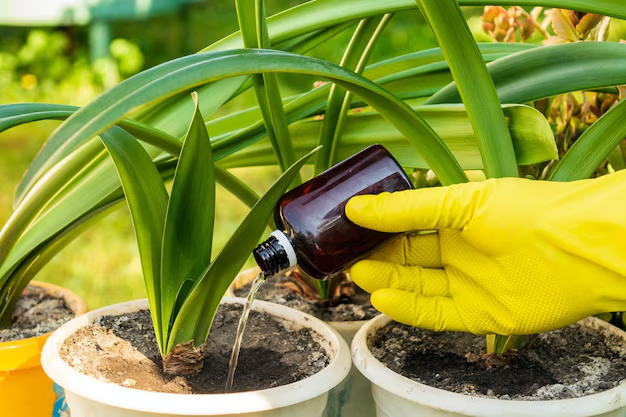
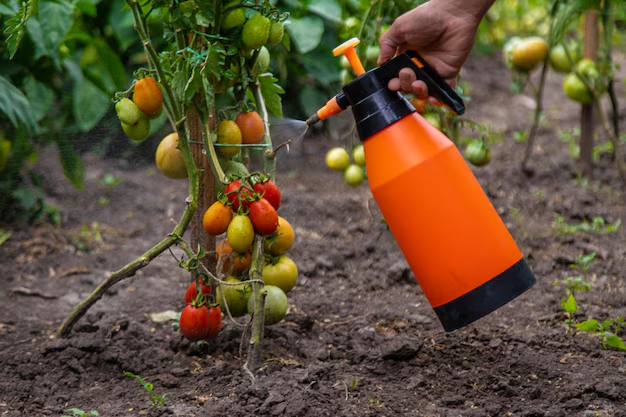
Use appropriate protective gear (gloves, long sleeves, eye protection). For concentrated herbicides, use a proper sprayer and mix according to label instructions. For spot treatments, apply directly to the weed’s foliage and avoid desirable plants. Keep a spray bottle of water nearby to rinse any accidental overspray from desirable leaves immediately.
Step 5: Follow-up and monitoring
Give the treatment time to work systemic herbicides can take 1–3 weeks to fully kill deep-rooted weeds. Reapply as recommended, and remove dead plant material if needed. Monitor for regrowth and treat seedlings early.
Homemade Weed Killer Recipes

Vinegar-based solutions
Household vinegar (5% acetic acid) can burn young weeds’ foliage. A stronger horticultural vinegar (20%) is more effective but more hazardous. For DIY, mix:
- 1-part white vinegar (5%)
- 1 part water
- A tablespoon of dish soap (helps the mixture stick)
Spray direct on weed leaves in full sun. Note: vinegar is non-selective it will damage any plant it touches.
Boiling water and salt methods
Pouring boiling water directly on weeds in cracks is immediate and simple perfect for driveways. Salt can be effective but accumulates in soil and harms surrounding plants long-term, so use sparingly and only on paved areas.
Soap + natural oils for spot treatment
A mix of dish soap and oil (like a cup of soap per gallon of water plus a small splash of vegetable oil) can suffocate young weeds. Less effective on mature plants, but safe for spot use.
Weed Killer for Specific Situations
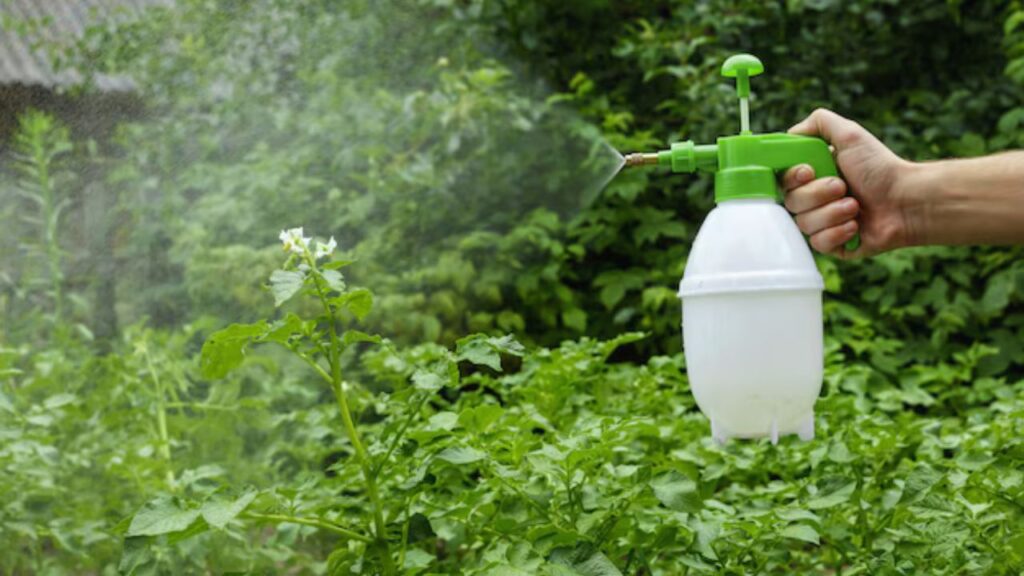
Weed killer for lawns
Use selective broadleaf herbicides for dandelions and clover. For grassy weeds like crabgrass, use a pre-emergent in spring and post-emergent products designed for grassy weeds when they appear.
Weed killer for driveways and patios
Non-selective solutions, including glyphosate or heat treatments (flame weeding) and boiling water, work well. For long-term prevention, fill cracks and use sand or polymeric joint materials.
Weed killer for vegetable gardens
Avoid chemical herbicides near edibles. Instead, use mulches, hand-pulling, hoeing, or targeted organic sprays. If you must use chemicals, remove edible plants and follow label re-entry and harvest interval guidelines.
Preventing Weed Killer — Long-Term Strategies

Mulching and ground cover
A 2–4 inch mulch layer blocks light and prevents seed germination. Ground covers (like clover for low-maintenance lawns) outcompete weeds and reduce bare soil.
Proper mowing and watering
Mow at the right height for your grass species generally slightly higher helps shade out weed seedlings. Water deeply and infrequently to Favor established grass over shallow-rooted weeds.
Soil health and dense planting
Healthy soil supports dense, competitive plants. Test soil, amend with compost, and plant close enough to shade the ground and prevent weed establishment.
Environmental and Health Considerations

Risks of overusing chemical herbicides
Repeated use of broad-spectrum herbicides can reduce biodiversity, harm pollinators, and leach into groundwater. Some chemicals persist in the environment. Overuse can also select for resistant weed populations think antibiotic resistance but for plants.
Safer alternatives and regulatory notes
Use targeted, lowest-effective concentrations, follow label guidance, and consider integrated management: cultural, mechanical, biological, and chemical methods together. Check local regulations for restricted products and community guidelines.
Troubleshooting and Frequently Seen Problems

Weeds coming back after treatment
Common reasons: missed root fragments, seed bank in soil, or using a contact herbicide on a systemic problem. Solution: repeat treatments, remove roots, and add prevention measures like mulch and dense planting.
Damaged lawn after weed killer use
Mistakes include using non-selective products on lawns, applying at the wrong time (e.g., during heat stress), or over-application. If damage occurs, water the area gently, refrain from reseeding immediately, and restore soil health with compost and careful lawn care.
Weed Killer Top Tips & Pro Hacks
Seasonal calendar for weed control
- Early spring: Apply pre-emergent for annual grassy weeds; dethatch if needed.
- Late spring to early summer: Spot-treat emerging weeds.
- Summer: Be conservative with sprays during heat; use manual removal.
- Fall: Treat broadleaf perennials when they’re moving nutrients to roots (improves systemic herbicide uptake).
Tools and equipment worth having
- Good-quality hand weeder/dandelion digger
- Backpack or pump sprayer (for larger areas)
- Protective gloves and eye protection
- Mulch spreader or wheelbarrow for mulch and compost
Conclusion

Weeds may be stubborn, but they’re far from invincible. Every gardener faces them they’re just part of the natural cycle. But the good news? With a little knowledge and consistency, you can keep them under control without exhausting yourself or harming your garden’s health.
The secret isn’t about finding one “magic” weed killer. It’s about using a smart combination of techniques quick treatments for current weeds and preventive steps to stop new ones from sprouting. Start by identifying what kind of weeds you have, then choose the safest and most effective method for your space. Maybe that means pulling by hand, applying a natural vinegar spray, or using a selective herbicide that targets the problem without damaging the rest of your plants.
Don’t forget that prevention is just as important as removal. A healthy lawn or garden is your best defence. Regular mowing, mulching, and proper watering make it harder for weeds to take hold. Strong, thriving plants leave little room for unwanted guests to grow.
Think of weed control as part of your overall garden care not a one-time chore. The more you nurture your soil and plants, the fewer weeds you’ll have to deal with in the long run. A little effort now means less stress later and a yard you can truly enjoy lush, vibrant, and free from those pesky invaders.
Frequently Asked Questions About Weed Killer
Q1: What’s the fastest way to kill weeds between paving stones?
A: For speed, pour boiling water directly onto the weed it damages the foliage immediately. For longer-term control, remove root fragments, fill cracks with sand or polymeric joint filler, and consider using a non-selective herbicide as a last resort.
Q2: Are homemade weed-killer solutions safe for pets?
A: Some homemade solutions (like diluted 5% vinegar + soap) are less toxic than industrial herbicides but can still irritate skin or paws. Keep pets away until treated areas are dry and rinse any surfaces pets might contact. Avoid salt-based recipes around plants and soil where pets roam.
Q3: Can I use vinegar to kill deep-rooted weeds like dandelions?
A: Household vinegar will burn tops but often won’t kill deep roots. Horticultural-strength vinegar (higher acetic acid) or systemic herbicides are more effective for long-term control. Manual digging is also effective when you remove the taproot.
Q4: How often should I apply weed killer?
A: Follow the product label. Generally, pre-emergent are applied once per season; post-emergent may need repeat applications 2–4 weeks apart for tough weeds. For organic or DIY methods, multiple applications are often necessary until the root system is exhausted.
Q5: Will weed killers harm my vegetable garden soil long-term?
A: Many selective herbicides have limited persistence when used correctly, but some treatments and salts can alter soil health. To be safe, avoid chemical herbicides in beds where you grow edibles. Use physical methods, mulches, or organic options, and always follow re-entry and harvest interval guidance if a chemical is used nearby.