
Top 10 Mosquito Repellent Plants for Your Home and Garden
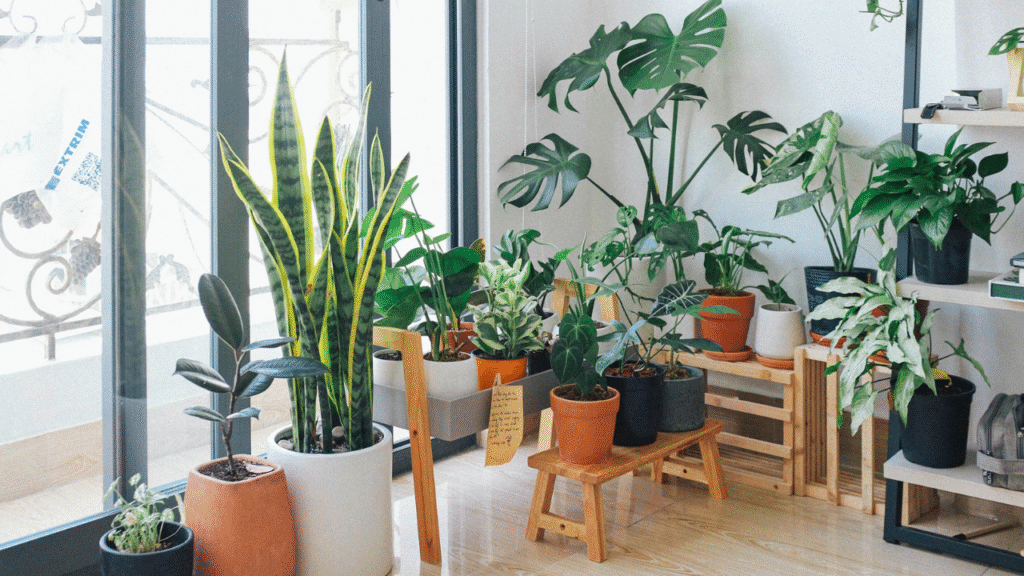
Why Grow Mosquito Repellent Plants
Let’s face it, no one enjoys the constant buzzing of mosquitoes while trying to relax outdoors. These tiny pests can turn a peaceful evening on the balcony into a battle of swats and bites. And while store-bought sprays and coils offer a quick fix, they often come with harsh chemicals and strong fumes that can irritate your skin or trigger allergies. That’s why mosquito-repellent plants are such a smart, natural alternative.
When you grow these plants, you’re not just decorating your space you’re creating a living defence system that works 24/7. Plants like citronella, lavender, and basil release natural oils and scents that mosquitoes find unbearable. To us, those same aromas are refreshing and relaxing a win-win for any garden or balcony.
Besides keeping bugs away, these plants also make your home greener and healthier. They purify the air, reduce stress, and bring a soothing touch of nature to modern living spaces. And the best part? You don’t need a green thumb to start. Most mosquito-repelling plants are low-maintenance, grow well in pots, and thrive in India’s warm climate.
So, instead of reaching for chemical repellents every evening, imagine sitting by a natural barrier of beautiful, fragrant plants that keep mosquitoes out and peace in. It’s eco-friendly, safe for kids and pets, and makes your home feel like a small, green retreat. Growing mosquito-repellent plants is not just a gardening choice it’s a lifestyle upgrade.
What to expect from this guide
This guide walks you through the top 10 plants that help keep mosquitoes away, how they work, where to plant them, simple DIY repellents you can make at home, safety tips (especially if you have kids or pets), and seasonal care. By the end, you’ll know which plants to choose and how to use them effectively.


Natural repellents vs chemical sprays Mosquito Repellent Plants
When it comes to keeping mosquitoes away, both natural and chemical repellents have their place. Many plants—such as citronella, lavender, lemongrass, basil, and peppermint—release essential oils and aromas that either mask human scent or naturally irritate mosquitoes. These plants can make outdoor spaces more pleasant while helping to reduce the number of bites. Plus, they’re eco-friendly, smell great, and don’t rely on harsh synthetic chemicals.
However, it’s important to understand their limitations. Natural repellents are helpful for everyday protection in low-risk areas, but they typically don’t offer the same level of long-lasting effectiveness as chemical sprays like those containing DEET or picaridin. In regions where mosquito-borne diseases (such as malaria, dengue, or Zika) are a concern, experts recommend using scientifically tested repellents for stronger protection.
Think of plants and natural repellents as one part of a broader, layered approach. You can combine them with other preventive measures—such as removing standing water (where mosquitoes breed), installing window screens, and using bed nets—to create a more comprehensive defense. Then, when you’re in areas with high mosquito activity, you can add a topical repellent for extra safety.
By blending natural methods with proven chemical options, you can enjoy outdoor spaces more comfortably and responsibly, without relying too heavily on one single approach.

How Mosquito-Repellent Plants Work
Essential oils, scents and mosquito behaviour
Most mosquito-repellent plants work because of their volatile essential oils tiny molecules released into the air. Mosquitoes detect hosts by scent; strong plant aromas confuse or repel them. Examples: citronella oil in lemongrass, linalool in lavender, eugenol in basil all of which can deter mosquitoes.
Limitations: plants help they don’t replace other measures
A single potted plant won’t clear a yard of mosquitoes. Scent dissipates fast in open air, and effectiveness depends on plant health, wind, and quantity. Place plants strategically and harvest leaves to release stronger scents when you need immediate protection.
Top 10 Mosquito-Repellent Plants
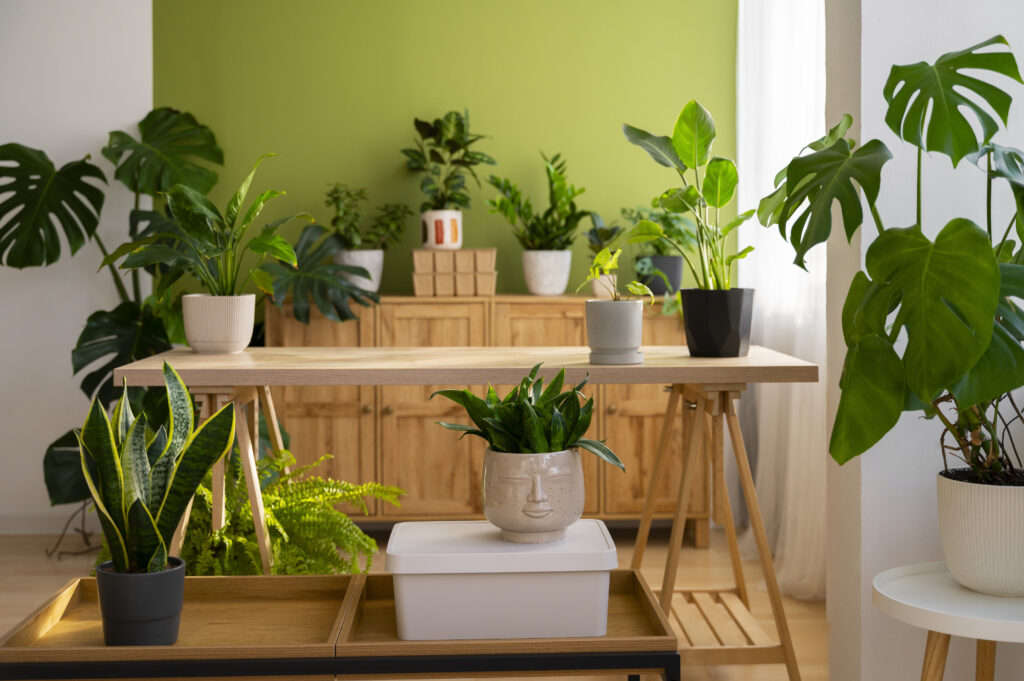
Below are the ten best plants to keep around your home. For each, I’ll explain why they work, how to grow them, and quick tips to get the most repellent power out of them.
1. Lemon Balm (Melissa officinalis)
Lemon balm smells fresh and citrusy because it’s rich in citronellal and citronellol, which mosquitoes dislike. It’s hardy, quick to grow, and does well in pots and garden beds. Be aware: lemon balm can spread aggressively, so plant it in a container if you don’t want it taking over.
Growing tips: Partial sun to full sun; regular watering but well-drained soil. Crush leaves and rub on skin for temporary repellent (test for sensitivity first).
2. Citronella / Lemongrass (Cymbopogon spp.)
Citronella grass often marketed as the “mosquito plant” contains citronellal and citronellol. It’s the plant most commonly distilled into citronella candles and oils.
Growing tips: Needs full sun and warm temperatures. Great for patios and planters. Cut and bruise leaves to release more aroma.
3. Lavender (Lavandula spp.)
Lavender’s beautiful scent is soothing to us but off-putting to mosquitoes. It also attracts pollinators, so it’s a win-win.
Growing tips: Loves sun and well-drained soil. Deadhead blooms to extend flowering. Dried lavender sachets can be used indoors.
4. Tulsi / Holy Basil (Ocimum tenuiflorum)
Tulsi is a sacred herb in many Indian households and packs eugenol and other compounds that repel insects. It’s aromatic, medicinal, and culturally familiar.
Growing tips: Full sun to partial shade; regular watering. Keep leaves trimmed to encourage growth and scent.
5. Marigold (Tagetes spp.)
Marigolds produce pyrethrum-like compounds that repel many insects. Their bright flowers are attractive to gardeners and help deter mosquitoes when planted at borders.
Growing tips: Plant in sunny spots; deadhead to encourage continuous blooms. Use near doors, windows, and vegetable beds.
6. Rosemary (Rosmarinus officinalis)
A fragrant evergreen herb, rosemary’s woody scent contains compounds that many mosquitoes dislike. It’s also a kitchen staple.
Growing tips: Thrives in full sun and drier soil. Excellent in pots and as a low hedge.
7. Catnip (Nepeta cataria)
Surprising but true: catnip has been shown to be more repellent to mosquitoes than some commercial repellents in lab conditions. It contains nepetalactone, which is highly effective.
Growing tips: Easy to grow, but attracts cats! Keep in pots if you don’t want your cat rolling in it daily.
8. Peppermint (Mentha × piperita)
Peppermint is strongly aromatic and contains menthol, which can repel mosquitoes and other pests. It’s also refreshing and useful in kitchen and tea.
Growing tips: Mint spreads quickly; grow in pots unless you want a mint jungle. Crush leaves for immediate aroma release.
9. Lemon Verbena (Aloysia citrodora)
Lemon verbena’s intense lemony scent makes it great for patios and containers. It’s used in teas and potpourri and works as a mosquito deterrent.
Growing tips: Loves sun and regular watering; protect from frost. Prune to keep bushy.
10. Garlic (Allium sativum) and Chives (Allium schoenoprasum)
Allicin and other sulfur compounds produced by garlic and related alliums can repel mosquitoes and many garden pests. Planting chives near vegetables and flowers can help reduce insect pressure.
Growing tips: Plant bulbs in fall or spring. Chives are perennial and easy to maintain.

How to Plant and Care for Mosquito-Repellent Plants
Choosing the right pot or garden bed
- Containers are ideal for aggressive spreaders (mint, lemon balm, catnip).
- Use 8-12inch pots for most herbs; larger for grasses like lemon grass.
- Ensure good drainage most aromatic plants hate soggy roots.
Soil, light, and watering basics
- Most repellent plants prefer full sun to partial sun.
- Use a well-draining potting mix (add perlite or sand if needed).
- Water regularly but don’t overwater; many aromatic herbs produce more oils under slight moisture stress.
Pruning, harvesting, and keeping scents strong
- Prune regularly to promote bushy growth and stronger aromas.
- Harvest leaves before midday (when essential oil concentration can be highest).
- Crushing or rubbing leaves releases more scent than simply having the plant nearby.

Best Locations to Place Mosquito Repellent Plants
Balconies and terraces
Pots with citronella, lavender, and Tulsi near seating areas create a localized scented barrier. Arrange at the perimeter of the seating zone and at entry points.
Patio edges, window sills, and entryways
Place marigolds, rosemary, and chives close to doors and windows to discourage mosquitoes from lingering near entries.
Indoor placement which ones thrive inside
Tulsi, lemon balm, peppermint and rosemary can do well indoors with bright light. Use south- or west-facing windows and rotate pots occasionally.

DIY Uses: Turn Plants into Effective Mosquito Repellent Plants
Simple rubs, sachets, and crushed-leaf smoke
- Leaf rub: Crush a few leaves of lemon balm, lavender or peppermint and rub on exposed skin for short-term relief. (Patch test first.)
- Sachets: Dry lavender or lemon verbena and put in cloth sachets near windows or doorways.
- Smudge/smoke: Dried rosemary or citronella leaves burned briefly can create an aromatic smoke that reduces mosquitoes use safely and outdoors.
Homemade sprays and oil infusions
- Quick spray: Boil 1 cup of water and steep a handful of crushed leaves for 20 minutes. Strain, cool, and put in a spray bottle. Add a teaspoon of carrier oil or 1 tsp witch hazel to help disperse oils. This gives a short-lived natural spray for clothes/outdoor furniture (reapply often).
- Oil infusion: Cover chopped leaves in a neutral carrier oil (like sweet almond or jojoba) for 2–3 weeks in a sunny spot, strain, then dilute 1–2% in a carrier oil for topical use. (Keep concentrations low and test on skin.)
Precautions: dilution and pet safety
- Essential oils can be concentrated and irritating. Never apply undiluted essential oils to skin, and avoid using strong sprays directly on pets.
- Some plants (like catnip) are harmless to cats but will excite them; others may be mildly toxic check before making anything pet-accessible.

Companion Planting and Garden Design Tips
Pairing plants for scent layering
Create scent “zones” by combining plants with complementary aromas. Example combos:
- Patio border: Citronella + lavender + marigold.
- Kitchen windowsill: Rosemary + chives + basil/Tulsi.
- Balcony seating: Lemon balm + lemon verbena + peppermint in decorative pots.
Aesthetic ideas functional beauty
Use terracotta pots for Mediterranean herbs, colourful planters for marigolds, and galvanized troughs for a rustic mosquito-free herb garden. Plants can be arranged on vertical shelves to save space and form layered scent walls.

Pet and Child Safety for Mosquito Repellent Plants
Toxic plants and safe alternatives
- Avoid plants known to be highly toxic to pets (e.g., some concentrated essential oils like tea tree).
- Safe options for many homes: basil/tulsi, rosemary, chives (in moderation), and marigolds.
- Always check an authoritative pet/toxin list for each plant before bringing it into a home with curious pets or toddlers.
How to use plants safely around the family
- Place potted plants out of reach or on high shelves if pets are likely to nibble.
- Use dried sachets for indoor scent rather than sprays that pets could lick.
- If applying plant-based sprays to skin or clothing, avoid direct application on children under two and consult a paediatric recommendation if unsure.

Seasonal Tips & Common Problems In Mosquito Repellent Plants
What to do in monsoon / humid climates
- Many fragrant herbs struggle in waterlogged soil. Ensure excellent drainage during rains and raise pots off the ground if necessary.
- Replant in fresh potting mix annually or add a little sand to improve drainage.
Pests and diseases organic remedies
- Aphids and fungal issues are common. Use neem oil, soapy water spray, or manual removal.
- Avoid broad-spectrum pesticides that kill pollinators these plants often attract bees and butterflies.

When Plants Aren’t Enough -Complementary Measures
Remove standing water
Mosquitoes breed in standing water. Empty plant saucers, buckets, and other containers weekly to reduce larvae.
Screens, nets, and personal repellents
Combine plants with good screening, mosquito nets, and topical repellents when needed (especially in high-risk disease areas). Plants help but layering protection is best.
Conclusion - A Greener, Calmer Way to Fight Mosquitoes
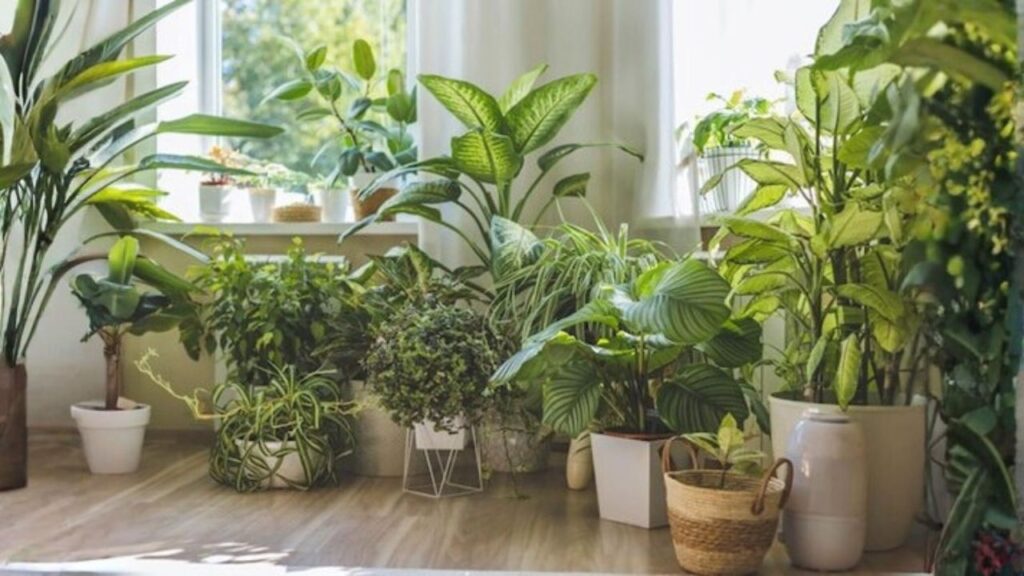
Growing mosquito-repellent plants isn’t just about keeping bugs away it’s about bringing nature closer to your everyday life. Instead of reaching for chemical sprays or plug-ins that smell artificial and fade fast, imagine walking onto your balcony and being greeted by the fresh scent of lemongrass, lavender, and tulsi. These plants quietly do their job, keeping mosquitoes at bay while filling your home with calm, refreshing aromas.
What makes this approach special is its sustainability. You’re not harming the environment or exposing your family to harsh chemicals you’re using nature’s own defences. Every pot you add to your garden or window sill becomes part of a living ecosystem that not only repels mosquitoes but also attracts butterflies, bees, and other friendly pollinators.
You don’t need a large garden to make a difference. A few pots on your balcony, terrace, or window ledge can transform your space into a mini green sanctuary. Start small maybe a planter with citronella or a pot of basil near your kitchen window and build from there. The beauty of these plants is that they’re easy to grow, easy to care for, and keep giving back in fragrance and function.
So, take the natural route. Let your home smell like a herb garden instead of a chemical lab. In return, you’ll enjoy fewer mosquitoes, cleaner air, and a soothing green space that feels like a breath of fresh air literally. Over time, you’ll realize it’s not just about repelling mosquitoes, but about creating a peaceful, balanced environment where nature and comfort coexist beautifully.
FAQs About Mosquito Repellent Plants
FAQ 1 — Do these plants actually stop mosquito bites?
Yes, they help reduce mosquito presence by releasing scents that mosquitoes dislike. However, they are most effective as part of a combined approach (plants + remove standing water + screens + topical repellents when necessary). A single pot will not clear an entire yard.
FAQ 2 — Which plant is best for balconies?
For balconies: citronella/lemongrass, lavender, and tulsi are top picks. They grow well in containers and release strong scents that help the seating area.
FAQ 3 — Are any of these plants harmful to pets?
Some concentrated essential oils made from these plants can be toxic to pets (especially in concentrated form). As plants, many are safe (like tulsi and chives in moderation), but always check a trusted pet-toxicity source for each plant and keep curious pets from ingesting large amounts.
FAQ 4 — How often should I harvest or crush leaves for repellent use?
Harvest or crush leaves whenever you need a scent boost before outdoor gatherings or evening relaxation. Regular harvesting (pinching back) also encourages bushier growth and often increases aromatic oil production.
FAQ 5 — Can I make a spray from these plants that’s as effective as DEET?
No natural plant spray will match DEET’s long-lasting protection in high-risk situations. However, homemade sprays from citronella, peppermint, or lemon balm can offer short-term relief outdoors. For protection against disease-carrying mosquitoes in endemic areas, follow public-health guidance and use proven repellents.