
Mogra Flower: Beauty, Fragrance, Cultural Significance and Why India Loves It
A complete guide to the Mogra flower India's most beloved bloom, rich in fragrance, tradition, and beauty.
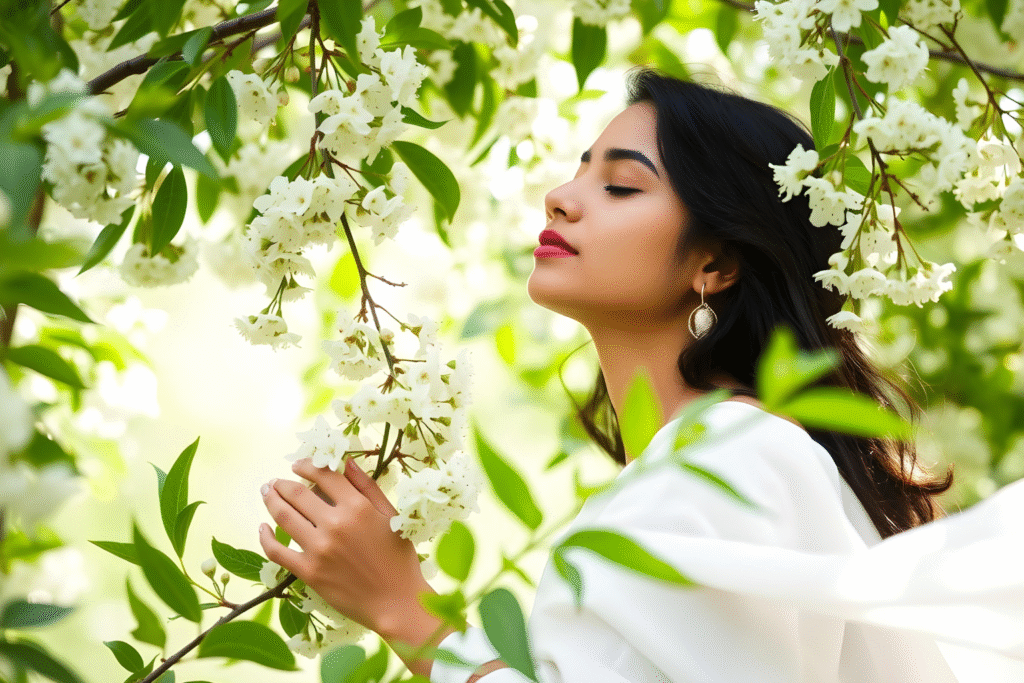
If you have ever walked past a garden in India during summer and smelled something incredibly sweet in the air, there is a good chance it was the Mogra flower. This small white flower is one of the most loved flowers in the whole country. It is simple in its looks but very powerful in its fragrance. The Mogra flower is known by different names in different parts of India some call it Arabian Jasmine, some call it Motia, and in South India it is often called Mullai. But no matter what name you use, this flower always brings a smile to people’s faces.
The Mogra flower is not just beautiful to look at. It carries with it a deep meaning in Indian culture, religion, and daily life. From temples to weddings, from hair garlands to perfumes, this flower has been part of Indian life for hundreds of years. In this blog, we will explore everything about the Mogra flower its beauty, its fragrance, its cultural importance, its benefits, and how you can even grow it at home.
What is the Mogra Flower?
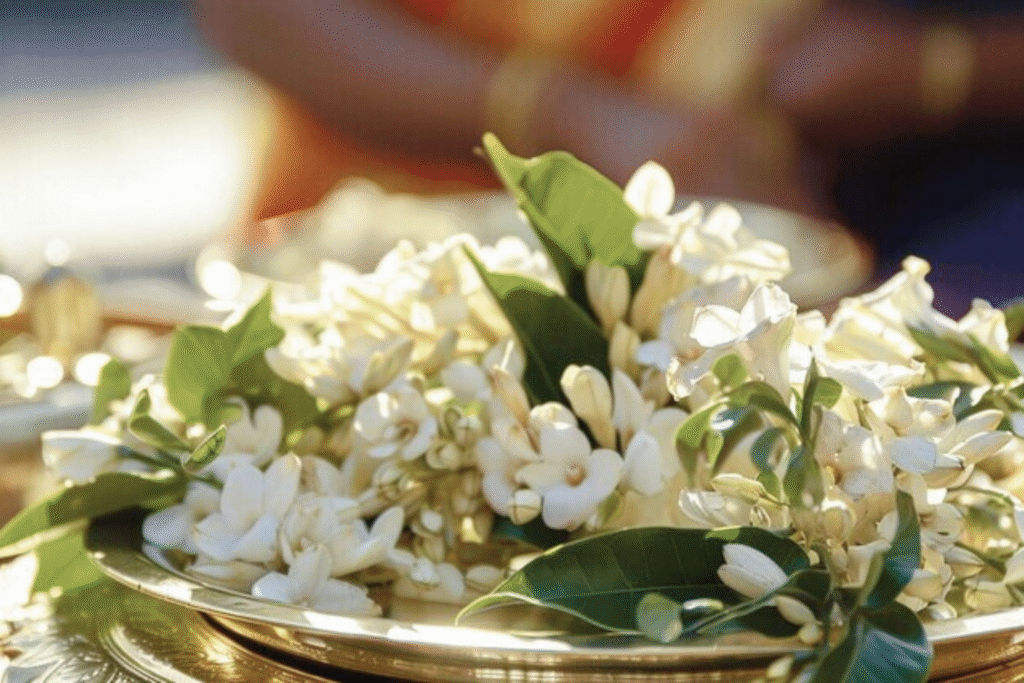
The Mogra flower belongs to the jasmine family. Its scientific name is Jasminum sambac. It is a small, white, round-shaped flower that usually blooms in clusters. Each flower is tiny but together they create a strong, sweet, and refreshing smell that can fill an entire room.
This flower grows best in warm tropical climates, which is why it is so common in India, Pakistan, Bangladesh, and Southeast Asia. It loves sunlight and warm weather, and it usually blooms during the summer months from March to October. The plant itself is a vine or shrub with dark green, shiny leaves. The flowers are white but they sometimes turn slightly purple as they age.
The Mogra flower is also the national flower of the Philippines, where it is called Sampaguita. So, its importance is not limited to India alone it is loved all across Asia.
The Mesmerizing Fragrance of the Mogra Flower
Ask anyone in India about their favourite flower smell, and chances are they will say the Mogra flower. There is something very special about this scent. It is sweet, fresh, warm, and a little bit floral. It is the kind of smell that takes you back to your grandmother’s house or a festival evening.
The fragrance of the Mogra flower is strongest at night. This is why many people like to keep a few flowers near their windows or beds at night. The smell is relaxing and it can even help you sleep better. Scientists say that the scent of jasmine flowers, including Mogra, has a calming effect on the brain. It can reduce stress and anxiety and make you feel peaceful.
This wonderful fragrance is also the reason why the Mogra flower is used in perfumes, incense sticks (agarbatti), and essential oils. Many top perfume brands in the world use jasmine including Mogra as one of their key ingredients. When you smell a bottle of jasmine perfume, you are mostly smelling the magic of the Mogra flower.
Mogra Flower and Indian Culture: A Deep Bond
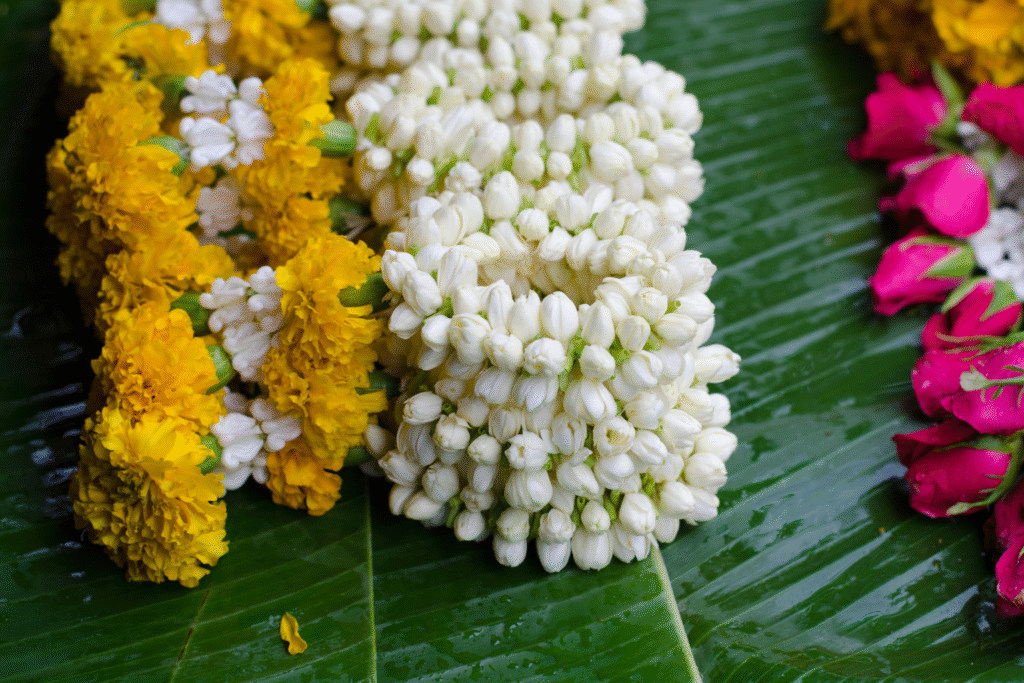
In India, the Mogra flower is not just a flower it is a part of life. It is connected to religion, celebration, beauty, and love. Let us look at how this small white flower plays such a big role in Indian culture.
1. Offered to Gods and Goddesses
The Mogra flower is considered a sacred flower in Hinduism. It is regularly offered to deities in temples and home prayer rooms. Lord Vishnu, Goddess Lakshmi, and Lord Shiva are all worshipped with Mogra garlands and flowers. The white colour of the flower represents purity and devotion, which makes it a perfect offering to God.
2. An Important Part of Weddings
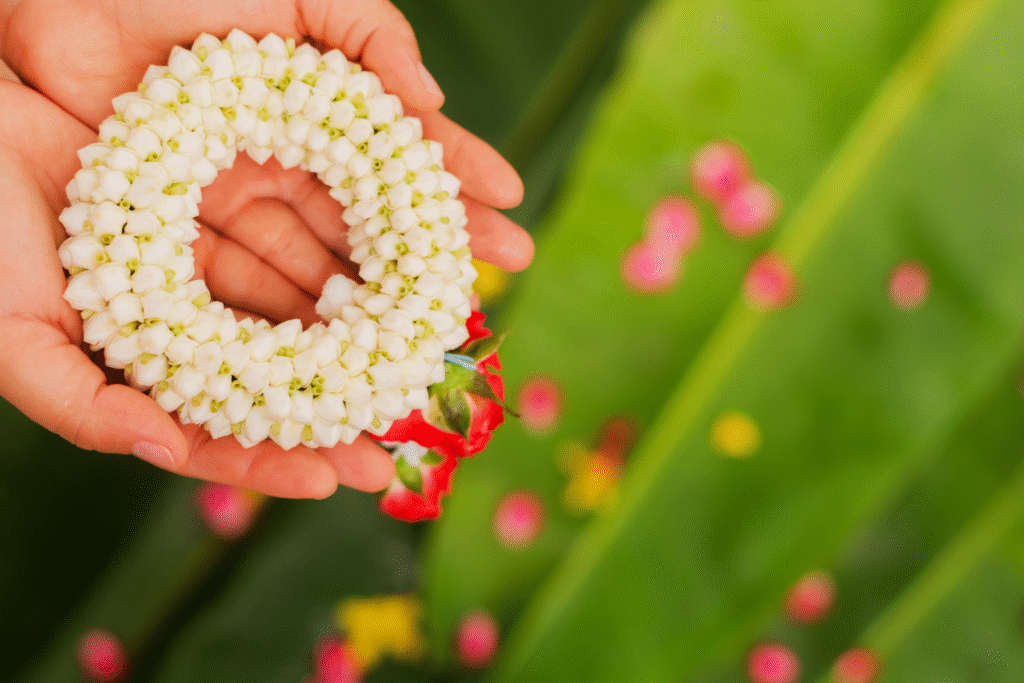
You will rarely see an Indian wedding without the Mogra flower. It is used in garlands, bridal hair decorations, and wedding hall arrangements. The strong and beautiful scent of Mogra sets a romantic mood at weddings. In many traditions, the bride decorates her hair with a string of Mogra flowers, which is called a “Gajra.” This is one of the most iconic images of Indian bridal beauty.
3. Hair Gajra - A Symbol of Indian Beauty
In India, especially in states like Maharashtra, Tamil Nadu, Andhra Pradesh, and Karnataka, women love to wear a Gajra made from Mogra flowers in their hair. You can see women buying Gajra’s from flower sellers at street markets every morning. The Gajra is more than just a hair accessory it is a tradition passed down from mothers to daughters for generations.
4. Used in Festivals
During festivals like Diwali, Navratri, Ganesh Chaturthi, and Eid, the Mogra flower is widely used for decoration and worship. It is also a common gift given to family and friends during festive occasions. The presence of Mogra flowers at any festival instantly makes the environment feel more joyful and divine.
Health Benefits of the Mogra Flower
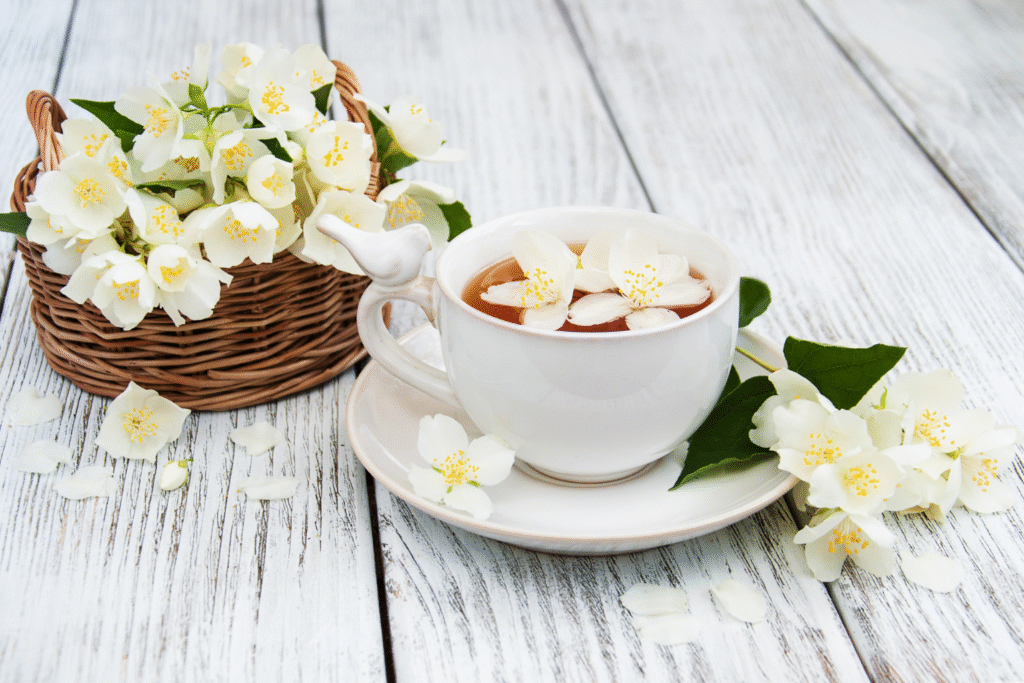
Most people know the Mogra flower for its beauty and fragrance, but not many know that it also has many health benefits. Traditional Indian medicine especially Ayurveda has used this flower for centuries to treat various health problems. Here are some amazing health benefits of the Mogra flower:
Reduces Stress and Anxiety: The smell of Mogra is a natural stress buster. Just keeping a few flowers near you can help calm your nerves and make you feel relaxed after a tiring day.
Helps with Sleep: The soothing aroma of the Mogra flower acts as a natural sleeping aid. People who have trouble sleeping can place fresh Mogra flowers in their bedroom for better and deeper sleep.
Good for Skin: Mogra flower extracts are used in many skin care products. Mogra oil can moisturize the skin, reduce dryness, and even help in reducing acne and skin inflammation.
Improves Mood: The fragrance of jasmine flowers like Mogra is known to boost your mood. Aromatherapy sessions often use Mogra essential oil to lift spirits and reduce feelings of sadness.
Supports Digestive Health: In Ayurveda, Mogra flowers are sometimes used in teas and herbal remedies to support a healthy digestive system and reduce stomach discomfort.
Relieves Headaches: A gentle massage with Mogra-infused oil on the forehead and temples is a traditional remedy for headaches and migraines in many Indian households.
It is clear that the Mogra flower is more than just a pretty face it truly has the power to heal and protect.
Mogra Flower in the Perfume and Beauty Industry
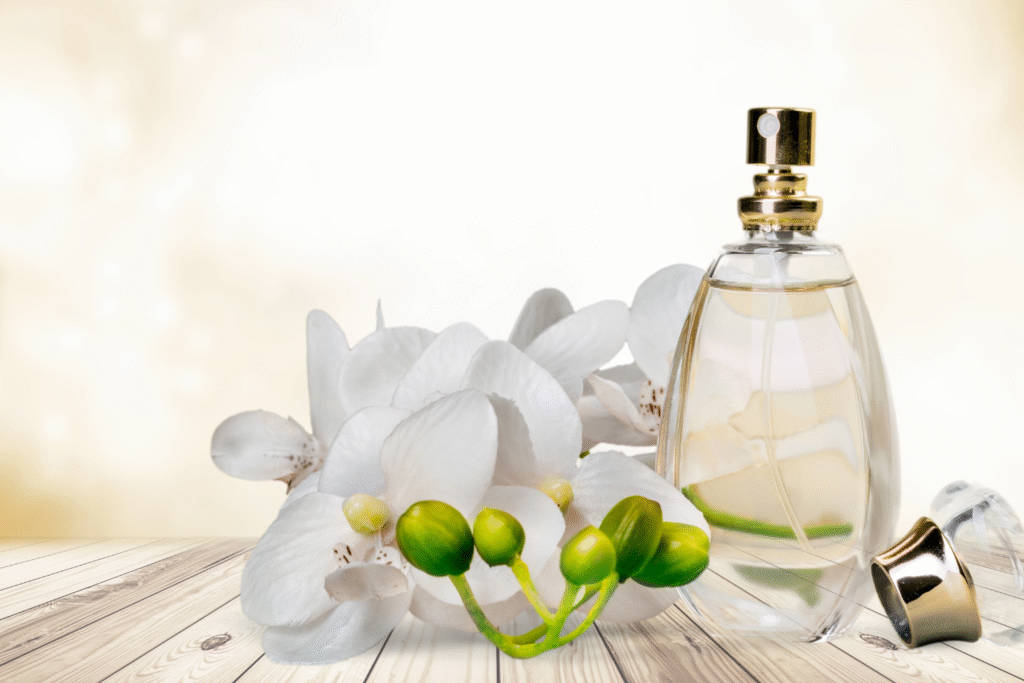
The fragrance of the Mogra flower has made it one of the most valuable flowers in the perfume industry worldwide. Mogra essential oil also called Jasmine Sambac oil is one of the most expensive floral oils in the world. It takes thousands of Mogra flowers to produce even a small amount of this oil, which is why it is so precious.
Luxury perfume brands around the world use Mogra as a heart note in their fragrances. Famous Indian brands also use Mogra in ittar (traditional Indian perfume), which has been made in places like Kannauj in Uttar Pradesh for hundreds of years. Kannauj is often called the “Perfume City of India,” and Mogra is one of its most important ingredients.
Beyond perfumes, the Mogra flower is also used in hair oils, body lotions, soaps, and face creams. Its gentle and nourishing properties make it a favourite ingredient in the beauty industry. If you have used a jasmine-scented shampoo or body wash, you have probably experienced the magic of the Mogra flower without even knowing it.
How to Grow Mogra Flower at Home
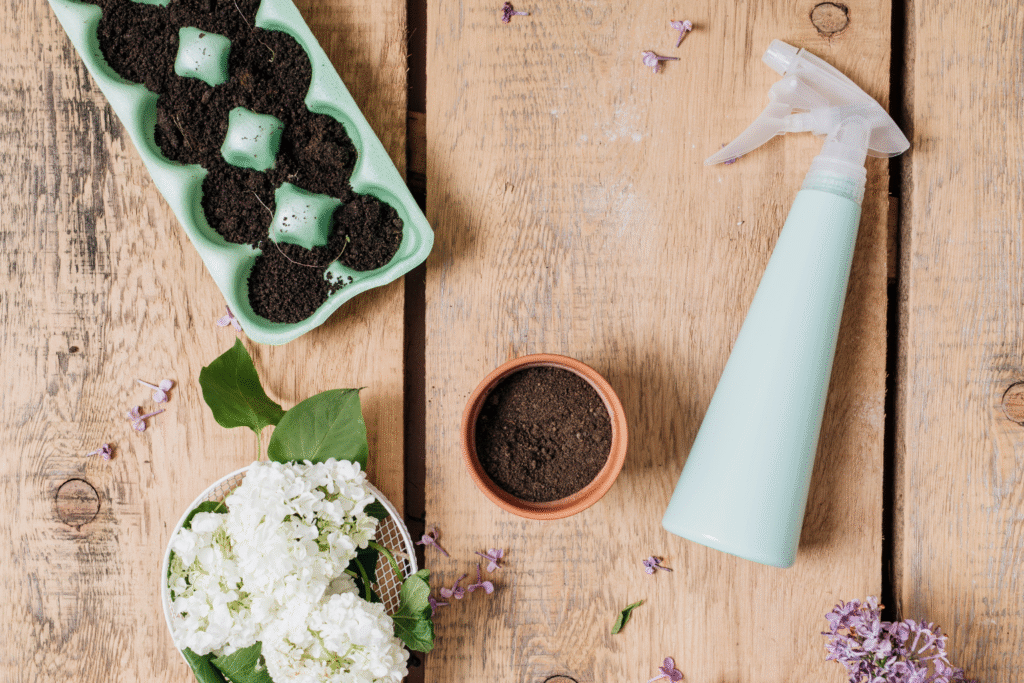
One of the best things about the Mogra flower is that you can grow it right in your own home even in a small pot on your balcony! Here is a simple guide to growing Mogra at home:
Choose the Right Pot: Pick a medium to large pot with good drainage holes at the bottom. Mogra roots need space to grow, so a pot that is at least 10-12 inches wide is a good starting point.
Use Good Soil: Mogra likes well-draining soil that is rich in nutrients. Mix garden soil with some compost or organic manure for the best results.
Give it Sunlight: The Mogra flower loves sunlight. Place your pot in a spot where it gets at least 4-6 hours of direct sunlight every day.
Water Regularly: Water your Mogra plant regularly, but do not overwater it. The soil should be moist but not soggy. Overwatering can cause the roots to rot.
Add Fertilizer: Feed your Mogra plant with a balanced fertilizer once every 2-3 weeks during the growing season (spring and summer). This will help it bloom beautifully.
Prune After Blooming: After the flowering season, cut back the plant a little. This helps it grow stronger and bloom better in the next season.
Growing your own Mogra flower plant is one of the most rewarding experiences. Imagine waking up every morning to the fresh, sweet scent of Mogra in your home. It is like having a little piece of paradise right on your balcony.
Why India Truly Loves the Mogra Flower
By now, you can probably understand why the Mogra flower holds such a special place in the hearts of Indians. But let us put it all together in one place.
India is a country that celebrates life in every possible way through food, music, art, and flowers. And the Mogra flower fits perfectly into this celebration. It is simple enough to be found in every corner of the country, yet divine enough to be offered to God. It is affordable enough to be bought by anyone on the street, yet valuable enough to be used in luxury perfumes.
The Mogra flower also carries memories. For many Indians, the smell of Mogra reminds them of their mothers, their childhood homes, their grandmothers’ prayer rooms, or a beautiful wedding they attended. It is a flower that touches not just the nose, but the heart.
In cities and villages alike, you will find Mogra being sold in small bunches by flower vendors early in the morning. People buy it fresh and use it the same day as a garland, a Gajra, or simply to keep in a corner of their home for its wonderful scent. This simple daily ritual is a testament to how deeply the Mogra flower is embedded in Indian life.
Interesting Facts About the Mogra Flower
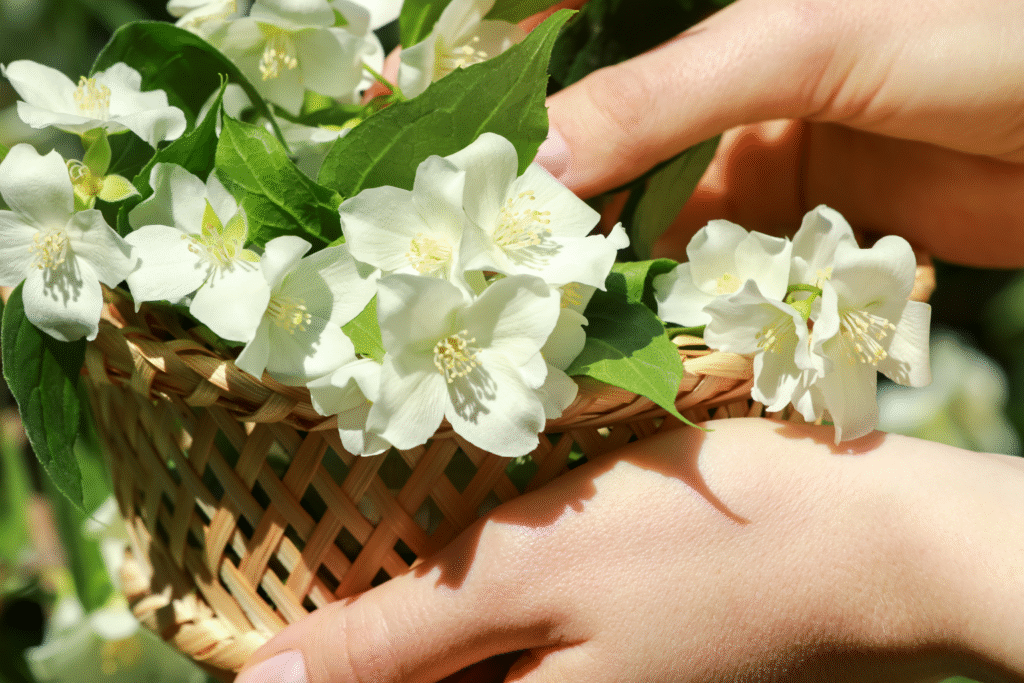
The Mogra flower blooms mostly at night. Its fragrance peaks after sunset, which is why it is sometimes called a “night queen” of flowers.
It is the national flower of the Philippines, known there as Sampaguita, and it is also the national flower of Indonesia, where it is called Melati.
The city of Kannauj in Uttar Pradesh, India, is famous worldwide for its Mogra-based ittars and essential oils.
A single Mogra flower lasts only a few hours after blooming, but its scent can linger for a very long time.
Mogra is used in making jasmine tea, which is popular in China, India, and across Southeast Asia.
The Mogra flower is mentioned in ancient Indian literature and Sanskrit texts, showing that its love affair with India began thousands of years ago.
Conclusion About Mogra Flower
The Mogra flower is truly one of nature’s greatest gifts to India and the world. It is small in size but big in everything else beauty, fragrance, cultural value, and healing power. Whether it is decorating a bride’s hair, being offered to a deity, lifting someone’s mood with its scent, or sitting in a perfume bottle on a shelf, the Mogra flower is always doing something wonderful.
If you have never grown a Mogra flower plant, now is the perfect time to start. And if you have never stopped to truly appreciate this flower before, take a moment the next time you see it. Take a deep breath, enjoy its fragrance, and you will understand why India has been in love with the Mogra flower for thousands of years.
FAQ About Mogra Flower’s
Q1. What is the Mogra flower?
The Mogra flower is a small white jasmine flower known for its sweet fragrance. Its scientific name is Jasminum sambac and it is widely grown across India and Southeast Asia.
Q2. Why is the Mogra flower important in Indian culture?
The Mogra flower is used in temple offerings, weddings, festivals, and hair Gajra’s. It has been a part of Indian traditions for thousands of years and holds deep religious and cultural value.
Q3. What are the health benefits of the Mogra flower?
The Mogra flower helps reduce stress, improves sleep, boosts mood, benefits the skin, and is also used in Ayurvedic remedies for headaches and digestive health.
Q4. Can I grow a Mogra flower plant at home?
Yes! The Mogra flower grows easily in a pot at home. It needs good sunlight, well-draining soil, regular watering, and occasional fertilizer to bloom well.
Q5. Why is the Mogra flower used in perfumes?
The Mogra flower has one of the most beautiful natural fragrances in the world. Its essential oil is used in luxury perfumes, ittars, hair oils, and beauty products globally.