
Vetiver Plant: The Wonder Grass That Can Transform Your Garden and Life
If you’re looking for a plant that’s tough, useful, and beautiful all at once, let me introduce you to the vetiver plant. This amazing grass has been used for thousands of years across the world, and today, more and more people are discovering its incredible benefits. Whether you’re a student learning about plants, a gardener looking for something special, or just curious about nature, this guide will tell you everything you need to know about this wonderful green companion.
What makes this grass so special? Imagine a plant that can stop soil from washing away during heavy rains, clean polluted water naturally, produce one of the most expensive essential oils in the world, and still look attractive in your garden all without needing much care from you! That’s the vetiver plant in a nutshell. Unlike many plants that require constant attention, fertilizers, and pest control, this hardy grass thrives with minimal intervention once it’s established.
From ancient Indian traditions to modern environmental engineering projects, the vetiver plant has proven its worth time and again. Farmers use it to protect their fields, perfume makers treasure its fragrant roots, and environmentalists rely on it to heal damaged land. Even if you’ve never heard of this plant before, by the end of this article, you’ll understand why it’s called a “wonder grass” and why it might just be the perfect addition to your own garden or even your life. Get ready to discover a plant that truly does it all.
What Exactly Is a Vetiver Plant?
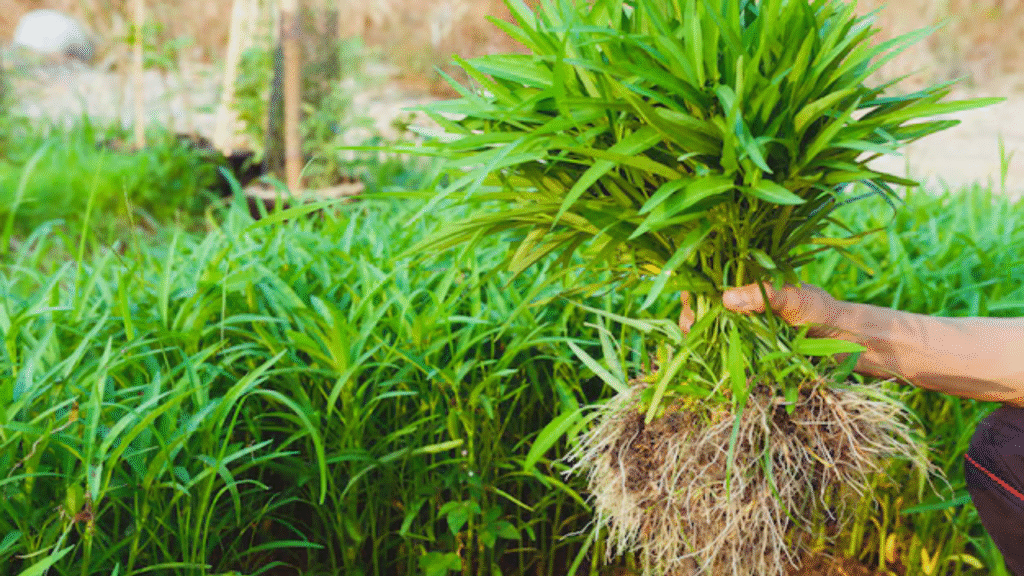
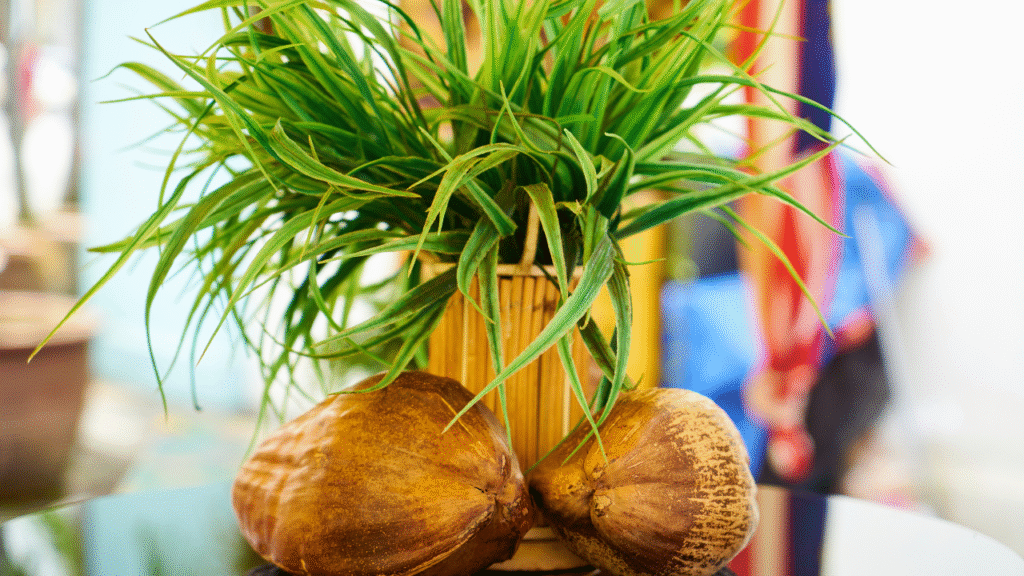
The vetiver plant is a type of grass that looks quite different from the grass you see on lawns. Its scientific name is Chrysopogon zizanioides, but don’t worry about remembering that! Most people simply call it vetiver or khus. This grass grows in thick bunches and can reach heights of 3 to 6 feet, making it look like a small green fountain in your garden.
What makes this grass truly special is its root system. While the grass above ground looks pleasant enough, the real magic happens below the soil. The roots of the vetiver plant can grow incredibly deep, sometimes reaching down 10 to 12 feet into the earth. These roots are strong, fragrant, and have been valued by humans for centuries.
Originally, this plant came from India, but now it grows in tropical and subtropical regions all around the world. You can find it in countries like Haiti, Indonesia, China, and many parts of Africa and South America. People have taken this plant to different continents because they’ve recognized how valuable it is.
The Amazing Root System
Let me tell you something fascinating about the vetiver plant roots. Imagine millions of tiny threads woven together, creating a living net underground. That’s what vetiver roots look like! They’re thin, strong, and incredibly dense. If you were to pull up a mature plant, you’d see roots that look like a thick beard made of fine fibres.
These roots don’t just grow deep; they also spread wide. A single plant can develop roots that cover a large area underground. This characteristic makes the plant extremely valuable for protecting soil from washing away during heavy rains. The roots hold the soil together like nature’s own glue.
Another wonderful thing about these roots is their smell. When you crush or cut vetiver roots, they release a beautiful, earthy fragrance. This smell is woody, smoky, and slightly sweet all at the same time. People have loved this scent for thousands of years, and it’s still used in perfumes, soaps, and aromatherapy products today.
How Does Vetiver Plant Help the Environment?
One of the most important uses of the vetiver plant is protecting our environment. This might sound surprising for a simple grass, but it’s true! Let me explain how this plant helps our planet.
Soil Erosion Control
Soil erosion happens when wind or water carries away the top layer of soil. This is a huge problem in many parts of the world, especially on hillsides and along riverbanks. When soil washes away, it takes with it all the nutrients that plants need to grow. It can also cause landslides that damage homes and roads.
This is where our hero grass comes in! Because the vetiver plant has such deep and strong roots, it holds soil firmly in place. Farmers and engineers plant rows of this grass on slopes and hillsides. The roots create living barriers that stop soil from moving. Even during heavy monsoon rains, the soil stays put because the roots are holding it tight.
Water Conservation
The deep roots of this special grass also help conserve water. As the roots grow deep into the ground, they create tiny channels in the soil. When it rains, water can flow through these channels and soak deep into the earth instead of running off the surface. This means more water gets stored underground, which helps during dry seasons.
In many villages, people plant vetiver along the edges of their fields. This not only prevents soil loss but also helps keep water in the ground where crops can use it.
Cleaning Polluted Water
Here’s something really amazing: the vetiver plant can actually clean dirty water! Scientists have discovered that this grass can absorb harmful chemicals and heavy metals from water and soil. The roots act like natural filters, taking in pollutants and storing them safely.
Some farmers plant this grass near factories or in areas where water has become polluted. As water passes through the vetiver roots, it becomes cleaner. This process is called phytoremediation, which simply means cleaning with plants.
Traditional and Cultural Uses
Throughout history, different cultures have used the vetiver plant in many clever ways. In India, where the plant originally comes from, people have been using it for over a thousand years.
Cooling Mats and Screens
In hot summer months, people in India traditionally make screens and mats from vetiver roots. These screens are called “khus-khus” in Hindi. When you sprinkle water on these screens, they release their fragrance and create a cooling effect. People hang them in doorways and windows to keep their homes cool and fresh-smelling.
Even today, some people prefer these natural air coolers to electric fans because they smell wonderful and don’t use electricity.
Traditional Medicine
In Ayurveda, the ancient Indian system of medicine, the vetiver plant has been used to treat various health problems. People make oils and pastes from the roots to help with skin problems, fever, and stress. The cooling properties of vetiver make it especially useful in treating heat-related issues.
Traditional healers also use vetiver to help people sleep better and feel less anxious. The calming scent of the roots is believed to relax the mind and body.
Religious and Cultural Ceremonies
In many Asian cultures, this special grass plays a role in religious ceremonies. People use vetiver water to sprinkle on guests as a welcome gesture. The pleasant fragrance is considered auspicious and purifying.
Modern Uses of Vetiver Plant
Today, the vetiver plant has found new uses in our modern world. Scientists and businesses have discovered even more ways to benefit from this amazing grass.
Perfume and Cosmetics Industry
Walk into any high-end perfume store, and there’s a good chance you’ll find fragrances containing vetiver oil. This oil is extracted from the roots and used as a base note in perfumes. Base notes are the scents that last the longest on your skin.
Vetiver oil has a sophisticated, masculine smell that many people love. It’s used in men’s colognes, women’s perfumes, soaps, shampoos, and body lotions. Some of the world’s most expensive perfumes contain this precious oil.
Essential Oil and Aromatherapy
The essential oil from the vetiver plant is highly valued in aromatherapy. People use it to help with stress, anxiety, and sleep problems. When you breathe in vetiver oil, it can help calm your nervous system and make you feel more relaxed.
Some therapists recommend putting a few drops of vetiver oil in a diffuser at night to promote better sleep. Students sometimes use it while studying because it can help improve focus and concentration.
Natural Insect Repellent
Did you know that the vetiver plant can help keep bugs away? The scent that humans find pleasant is actually disliked by many insects. Some people plant this grass around their homes to reduce mosquitoes and other pests.
You can also use vetiver oil mixed with water as a natural bug spray. It’s safer than chemical repellents and smells much better too.
Craft and Handicraft Industry
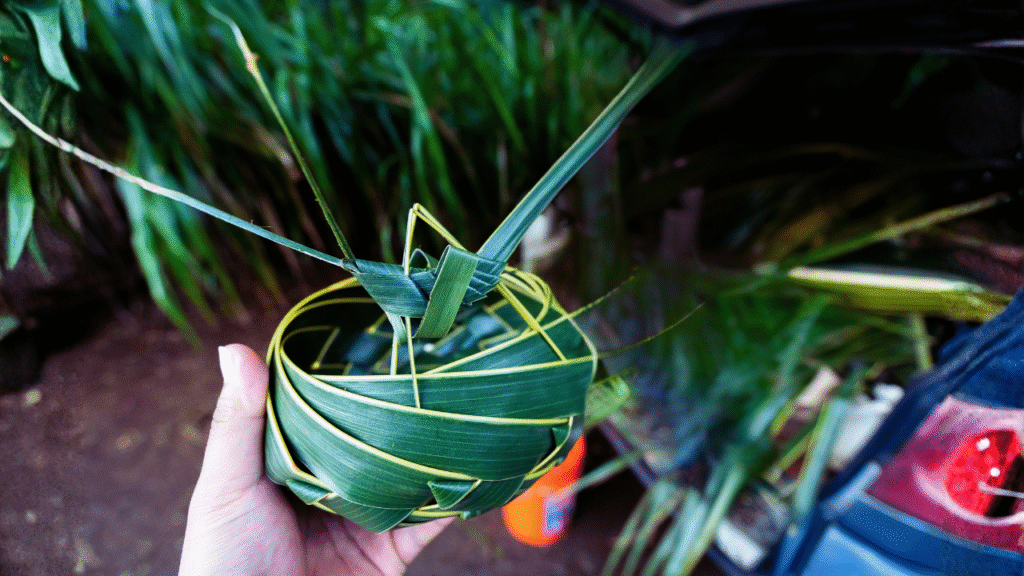
Artisans use dried vetiver roots to make beautiful handicrafts. They weave the roots into baskets, mats, fans, and decorative items. These products are not only attractive but also smell wonderful for years.
In some countries, craftspeople make vetiver products as a source of income. These eco-friendly items are popular with people who want natural, sustainable home products.
Growing Your Own Vetiver Plant
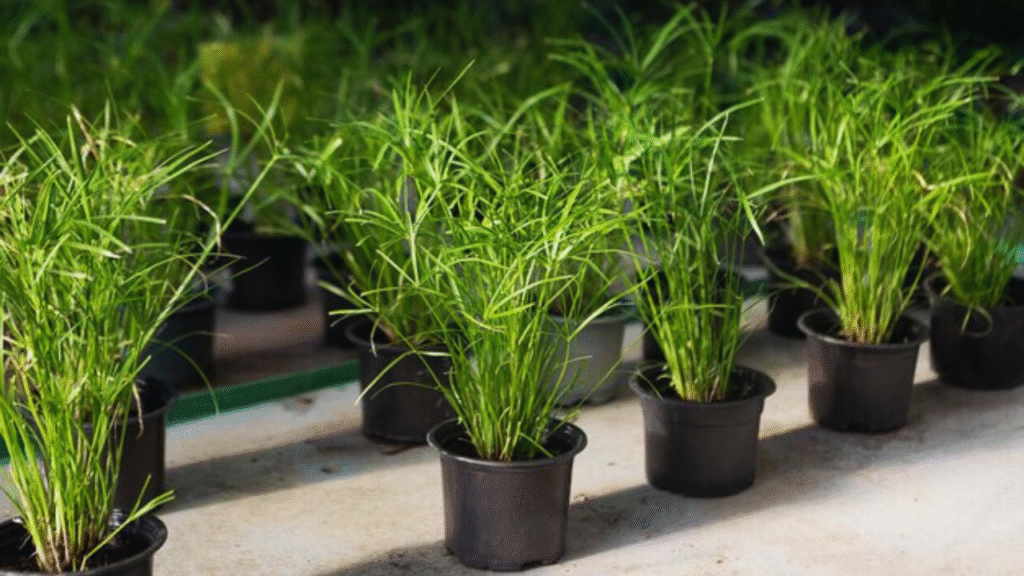
If you’re excited about this amazing grass and want to grow it yourself, I have good news! The vetiver plant is quite easy to grow, even if you’re not an expert gardener.
Climate Requirements
This grass loves warm weather. It grows best in tropical and subtropical climates where temperatures stay between 77°F and 95°F (25°C to 35°C). However, it can tolerate some cold and has survived temperatures as low as 14°F (-10°C) in some places.
If you live in a cooler area, you can still grow this plant, but it might not grow as large, and you’ll need to protect it during winter.
Soil and Location
One wonderful thing about the vetiver plant is that it’s not fussy about soil. It can grow in sandy soil, clay soil, or anything in between. It can even grow in poor-quality soil where other plants struggle.
However, it does prefer soil that drains well. While vetiver can tolerate some waterlogging, it grows best when the soil isn’t constantly soggy. Choose a sunny spot in your garden where the plant will get at least 6 hours of sunlight each day.
Planting and Propagation
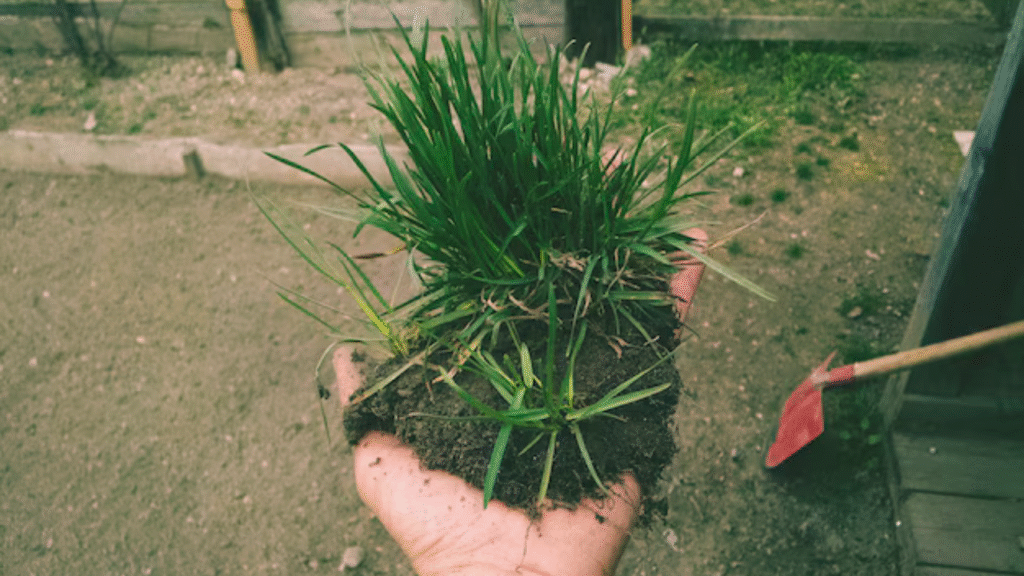
You can’t grow vetiver from seeds because most varieties of this grass don’t produce fertile seeds. Instead, you grow it from “slips” or divisions. A slip is a small piece of the plant with some roots attached.
To plant vetiver, dig a hole about 6 inches deep and place the slip in it. Cover the roots with soil and water well. Space multiple plants about 6 to 12 inches apart. If you’re planting them to control erosion, you might space them closer together.
Watering and Care
For the first few weeks after planting, water your vetiver plant regularly to help it establish strong roots. Once the plant is established, it becomes quite drought-tolerant and doesn’t need much watering.
The best part about this grass is that it requires very little care. You don’t need to fertilize it or worry about pests. It’s one of those “plant it and forget it” kinds of plants.
Harvesting
If you want to harvest the roots for their fragrance or other uses, wait at least 12 to 18 months after planting. This gives the plant time to develop a good root system. To harvest, dig up the entire plant, cut off the top grass portion, and wash the roots thoroughly.
You can dry the roots in the sun and store them for years. The fragrance actually becomes stronger as the roots age.
Common Challenges and Solutions
While the vetiver plant is generally easy to grow, you might encounter a few challenges. Let me help you solve them.
Slow Initial Growth
Sometimes, newly planted vetiver seems to grow very slowly. Don’t worry! This is normal. The plant is focusing on developing its root system underground. Once the roots are established, the top growth will speed up. Just be patient and keep the plant watered during this period.
Competition from Weeds
In the early stages, weeds might compete with your young vetiver plants. Remove weeds regularly around your plants until the vetiver gets established. Once it’s growing well, the dense clumps will naturally suppress most weeds.
Animals Eating the Plants
In some areas, animals like cattle or goats might eat young vetiver plants. If this is a problem, protect your plants with small fences until they’re established. Mature plants are tougher and less attractive to animals.
Environmental Impact and Sustainability
Let’s talk about why the vetiver plant is so important for creating a sustainable future. In a world facing environmental challenges, this grass offers many solutions.
No Pesticides Needed
Unlike many crops, vetiver doesn’t need pesticides or herbicides. It’s naturally resistant to most pests and diseases. This means growing it doesn’t pollute the environment with chemicals.
Preventing Landslides
In mountainous regions, landslides can be deadly and destructive. Planting vetiver on slopes can prevent these disasters. The roots hold the soil so firmly that even heavy rains can’t wash it away. This has saved countless lives and properties in countries like China, Thailand, and Colombia.
Supporting Biodiversity
Vetiver hedges create habitats for beneficial insects, small animals, and birds. By planting this grass, you’re creating a small ecosystem that supports various forms of life.
Vetiver in Different Industries
The versatility of the vetiver plant means it’s used in many different industries. Let me show you how widespread its applications are.
Textile Industry
Some companies are now using vetiver fibres to make eco-friendly textiles. The strong fibres can be woven into cloth or mixed with other materials to create sustainable fabrics.
Construction Industry
In some countries, builders use vetiver in natural building projects. The roots can be mixed into clay to make stronger bricks. The grass itself can be used for thatching roofs in traditional buildings.
Beverage Industry
In some cultures, people make a refreshing drink from vetiver roots. They boil the roots with sugar and spices to create a cooling beverage that’s especially popular in summer.
Conclusion: The Future with Vetiver Plant
As we’ve explored throughout this article, the vetiver plant is truly a gift from nature. From preventing soil erosion to making beautiful perfumes, from cleaning polluted water to providing income for farmers, this humble grass does it all.
In a world where we’re looking for sustainable solutions to environmental problems, vetiver offers hope. It’s a reminder that sometimes the simplest answers are the best ones. A plant that grows naturally, requires little care, and provides so many benefits is exactly what we need.
Whether you decide to grow vetiver in your garden, use vetiver oil for relaxation, or simply appreciate this plant from afar, you now know the incredible story of this wonder grass. The next time you see a clump of tall grass swaying in the breeze, remember that it might be vetiver, quietly doing its job of protecting the earth and enriching our lives.
As our planet faces challenges like climate change, soil degradation, and pollution, the vetiver plant stands ready to help. It’s been doing this work for thousands of years, and it will continue to serve humanity and nature for thousands more. All we need to do is recognize its value and give it the space to grow.
So why not start your own vetiver journey today? Plant some in your garden, try some vetiver oil, or simply share what you’ve learned about this amazing plant with others. Every small step helps create a greener, more sustainable future for all of us.
Frequently Asked Questions About Vetiver Plant
1. Can I grow vetiver plant in my home garden, and is it difficult to maintain?
Yes, you can easily grow vetiver plant in your home garden! It’s perfect for beginners because it needs very little care. Since vetiver doesn’t grow from seeds, you’ll need to plant slips (small divisions with roots). Just plant them in a sunny spot, water regularly for the first few weeks, and then the plant takes care of itself. It’s drought-tolerant, doesn’t need fertilizers, and naturally resists pests. It grows well in most soil types, though it prefers warm climates.
2. How long does it take for vetiver roots to control soil erosion?
The vetiver plant starts providing basic soil protection within 3 to 6 months after planting. However, for maximum erosion control effectiveness, wait about 12 to 18 months. During this time, the roots grow 10 to 12 feet deep, creating a strong underground network that holds soil firmly in place and can withstand heavy rains and prevent landslides.
3. What does vetiver essential oil smell like, and what are its main benefits?
Vetiver oil has an earthy, woody, slightly smoky scent with sweet undertones. Many describe it as smelling like pleasant damp soil after rain. It’s commonly used in high-end perfumes. The main benefits include reducing stress and anxiety, promoting better sleep, improving focus and concentration, and working as a natural insect repellent. It also has anti-inflammatory and antioxidant properties that may help with skincare.
4. Is vetiver plant invasive, and will it take over my garden?
No, the vetiver plant is NOT invasive! Most varieties are sterile and don’t produce seeds that spread. The plant only grows where you plant it, expanding slowly in tight clumps without sending out runners underground. This makes it completely safe for gardens. You have full control over its growth, and you can easily remove or trim it if needed.
5. Can vetiver plant really clean polluted water and soil?
Yes! The vetiver plant cleans pollution through a process called phytoremediation. Its deep, dense root system acts like a natural filter, absorbing heavy metals, excess nutrients, and toxic chemicals from water and soil. The plant stores these pollutants in its roots, removing them from the environment. This makes vetiver valuable for cleaning up contaminated sites naturally and affordably, though the process takes several months to years.