
Feng Shui Plants: Bring Positive Energy and Harmony into Your Home
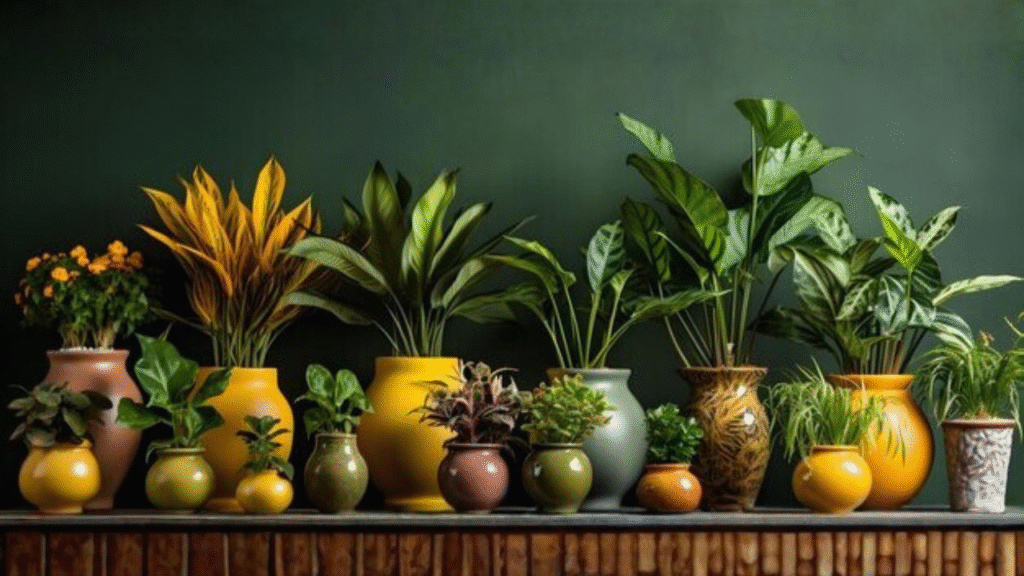
Have you ever walked into a room and felt instantly calm and peaceful? Or visited a place that made you feel energized and happy? This feeling might not be just a coincidence. The ancient Chinese practice of Feng Shui teaches us that our surroundings deeply affect our energy, mood, and even our luck. One of the simplest and most beautiful ways to improve the energy in your space is by adding Feng Shui Plants.
In this complete guide, you’ll discover everything you need to know about choosing and placing plants according to Feng Shui principles. Whether you’re a complete beginner or just curious about this ancient practice, this article will help you transform your home into a peaceful sanctuary filled with positive energy.
What is Feng Shui and Why Do Plants Matter?

Feng Shui is an ancient Chinese philosophy that has been practiced for over 3,000 years. The term “Feng Shui” literally means “wind and water” in Chinese. This practice is all about creating balance and harmony in your living spaces by arranging objects, furniture, and natural elements in specific ways.
According to Feng Shui beliefs, everything around us contains energy, which the Chinese call “Chi” or “Qi.” This energy flows through our homes and workplaces, affecting our health, relationships, and success. When the energy flows smoothly, good things happen in our lives. When it’s blocked or negative, we might face challenges and problems.
Plants play a special role in Feng Shui because they are living, growing things that naturally carry positive energy. Feng shui plants help purify the air we breathe, add beauty to our spaces, and most importantly, they attract good luck and positive Chi into our homes. They represent growth, renewal, and the vital life force that connects us to nature.
The Amazing Benefits of Feng Shui Plants
Adding feng shui plants to your home or office isn’t just about following an ancient tradition. These green companions offer real, practical benefits that can improve your daily life in many ways.
Improved Air Quality
Plants are nature’s air purifiers. They absorb carbon dioxide and release fresh oxygen, making the air in your home cleaner and healthier to breathe. Some feng shui plants are especially good at removing harmful toxins and chemicals from the air, which is particularly helpful if you live in a city or near busy roads.
Better Mental Health
Studies have shown that being around plants reduces stress and anxiety. When you care for feng shui plants, you create a calming routine that helps you relax. The green colour of plants is also naturally soothing to our eyes and minds, helping us feel more peaceful and cantered.
Increased Prosperity and Good Luck
In Feng Shui philosophy, certain plants are believed to attract wealth, success, and good fortune. While we can’t guarantee you’ll win the lottery, many people report feeling more optimistic and experiencing positive changes after adding feng shui plants to their spaces.
Enhanced Creativity and Focus
Having plants in your workspace can boost your productivity and creativity. They help create a fresh, vibrant environment that keeps your mind alert and inspired. Students often find that keeping feng shui plants on their study desks helps them concentrate better during homework and exam preparation.
Top 12 Feng Shui Plants for Your Home
Now let’s explore the most popular and powerful feng shui plants you can bring into your space. Each plant has unique properties and benefits according to Feng Shui principles.
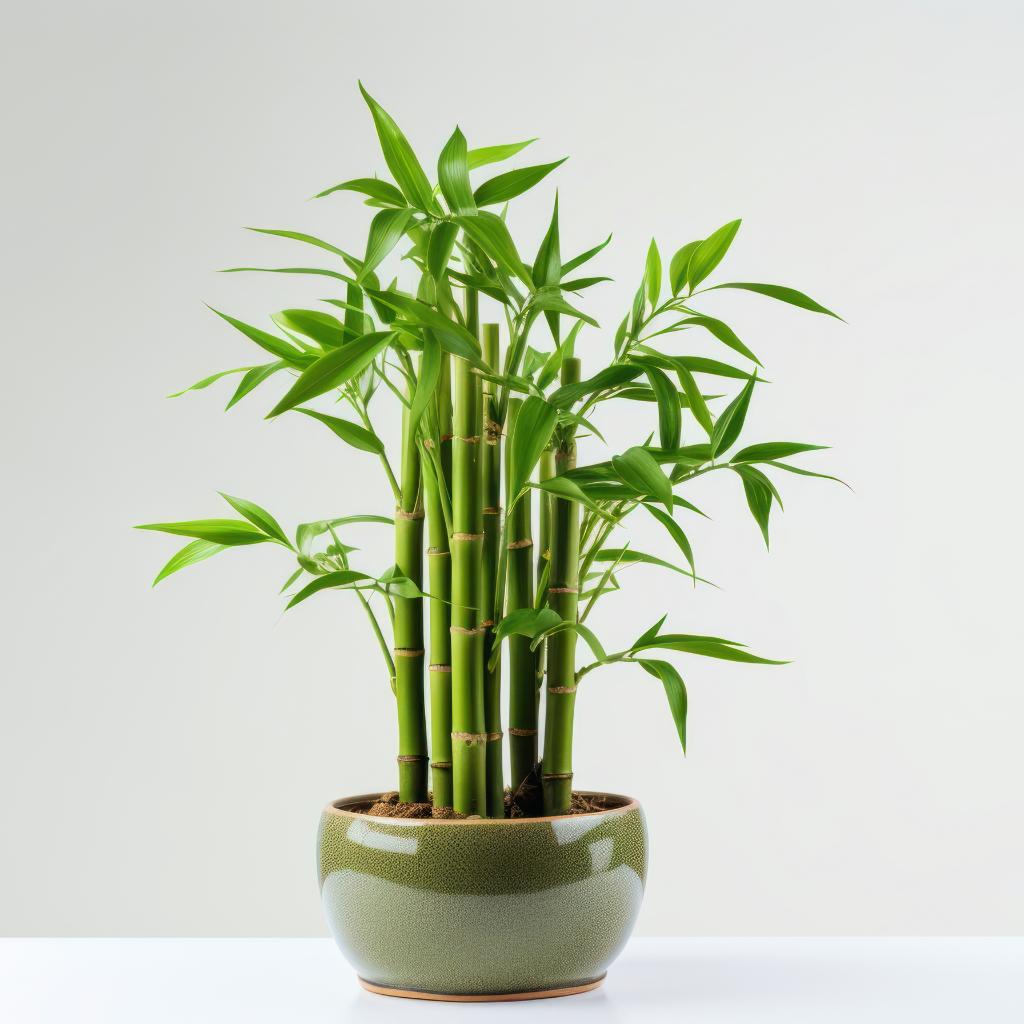
1. Lucky Bamboo (Dracaena Sander Iana)
Lucky bamboo is perhaps the most famous of all feng shui plants. Despite its name, it’s not actually bamboo but a type of tropical water lily. This plant represents strength, flexibility, and growth. According to Feng Shui tradition, the number of stalks has different meanings:
– Three stalks bring happiness
– Five stalks attract wealth
– Six stalks promote health
– Seven stalks represent good health
– Eight stalks bring prosperity and abundance
– Nine stalks grant good fortune
Lucky bamboo is incredibly easy to care for. You can grow it in water or soil, and it thrives in low light conditions, making it perfect for beginners.
2. Money Plant (Epipremnum Aureum)
The money plant, also called golden pathos or devil’s ivy, is one of the most popular feng shui plants for attracting wealth and prosperity. Its round, coin-shaped leaves symbolize money, and according to tradition, this plant brings financial success to the household.
This hardy plant grows quickly and is almost impossible to kill, making it ideal for people who are new to gardening. It can survive in low light and doesn’t need frequent watering. The money plant looks beautiful in hanging baskets or climbing up walls and furniture.
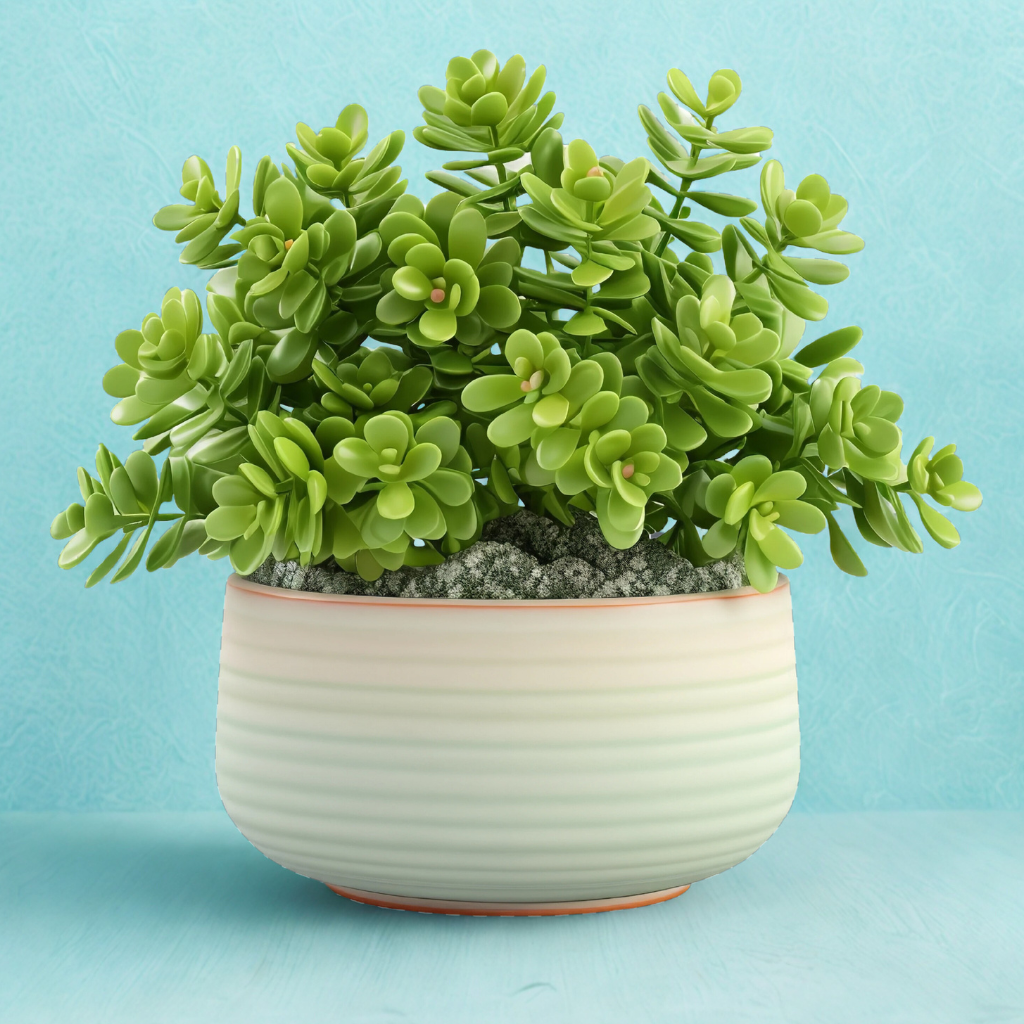
3. Jade Plant (Crassula Ovata)
The jade plant is a succulent with thick, round leaves that look like jade coins. In Chinese culture, jade represents wealth and prosperity, which is why this is considered one of the most powerful feng shui plants for attracting money. Many business owners keep jade plants near their entrances to invite financial success.
Jade plants are easy to care for and can live for many years, even decades, with proper attention. They need bright light and should be watered only when the soil is completely dry.
4. Peace Lily (Spathiphyllum)
The peace lily is a elegant feng shui plant with beautiful white flowers that symbolize peace, harmony, and purity. According to Feng Shui beliefs, this plant neutralizes harmful energy and promotes tranquillity in the home. It’s especially beneficial for bedrooms and meditation spaces.
Peace lilies are also excellent air purifiers, removing toxins like formaldehyde and benzene from the air. They prefer low to medium light and will tell you when they need water by drooping slightly.
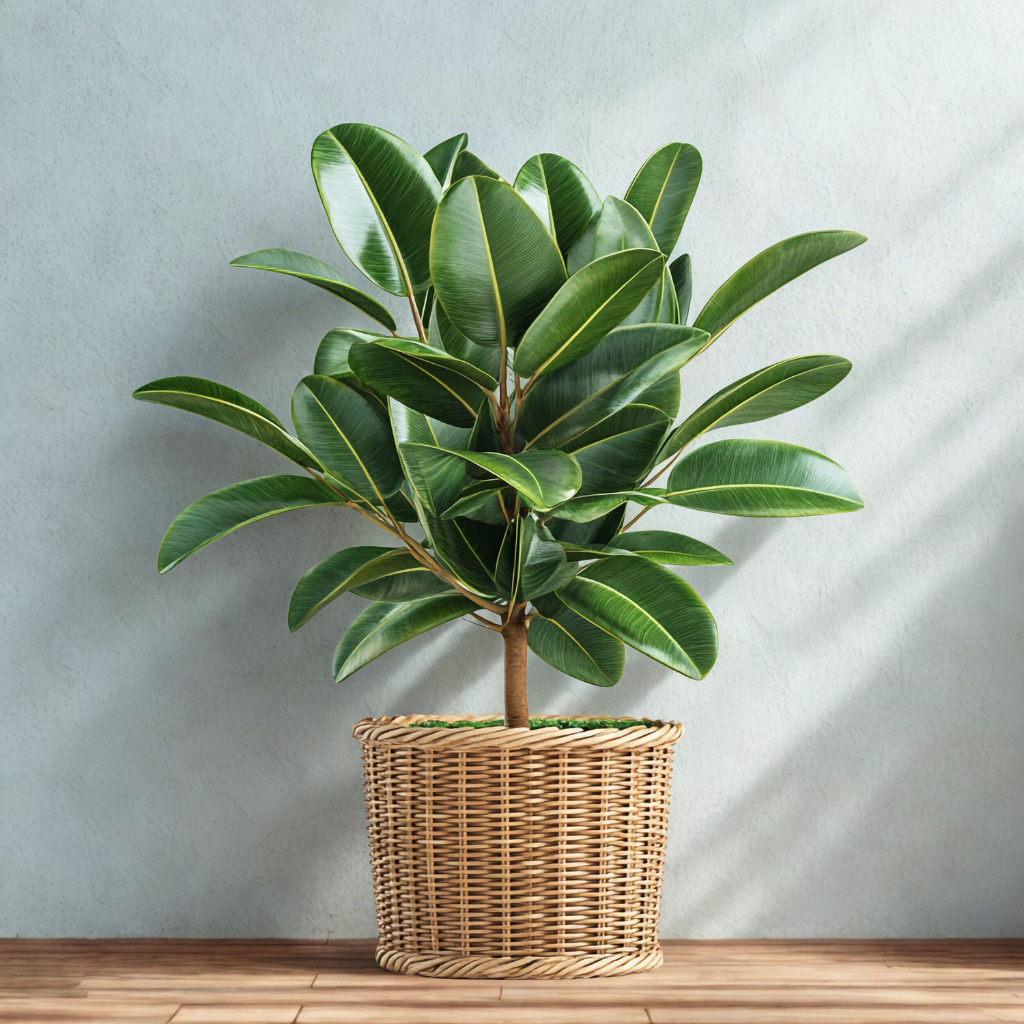
5. Rubber Plant (Ficus Elastica)
The rubber plant has large, glossy leaves that represent abundance and wealth in Feng Shui. Its rounded leaves are believed to attract positive energy and prosperity. This plant also symbolizes happiness and fortune, making it a wonderful addition to living rooms and offices.
Rubber plants can grow quite tall and make a dramatic statement in any space. They prefer bright, indirect light and need watering when the top inch of soil feels dry.
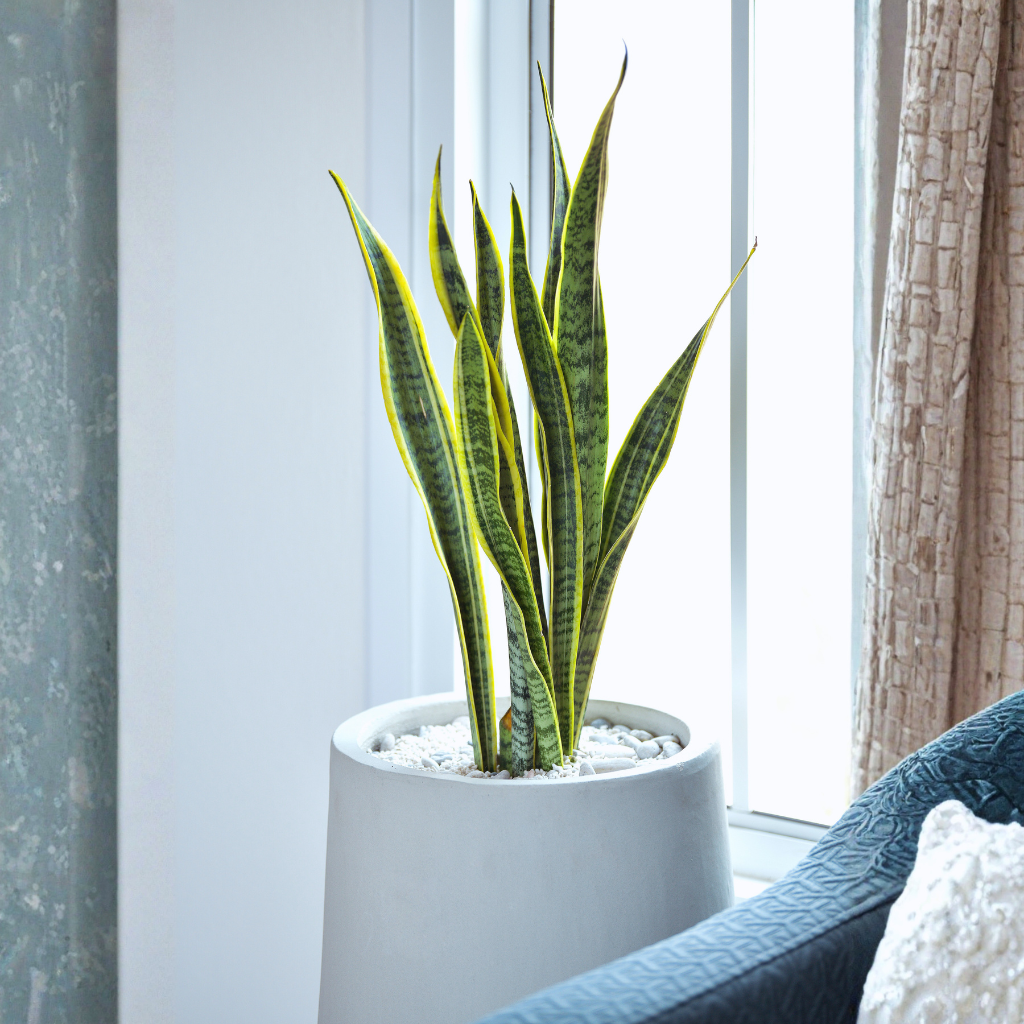
6. Snake Plant (Sansevieria Trifasciata)
Also known as mother-in-law’s tongue, the snake plant is one of the most resilient feng shui plants you can own. Its sword-like leaves grow upward, representing strength and protection. This plant is believed to guard against negative energy and bad luck while promoting a healthy, vibrant atmosphere.
Snake plants are virtually indestructible and can survive weeks without water. They’re perfect for bedrooms because they release oxygen at night, unlike most plants that release oxygen during the day.
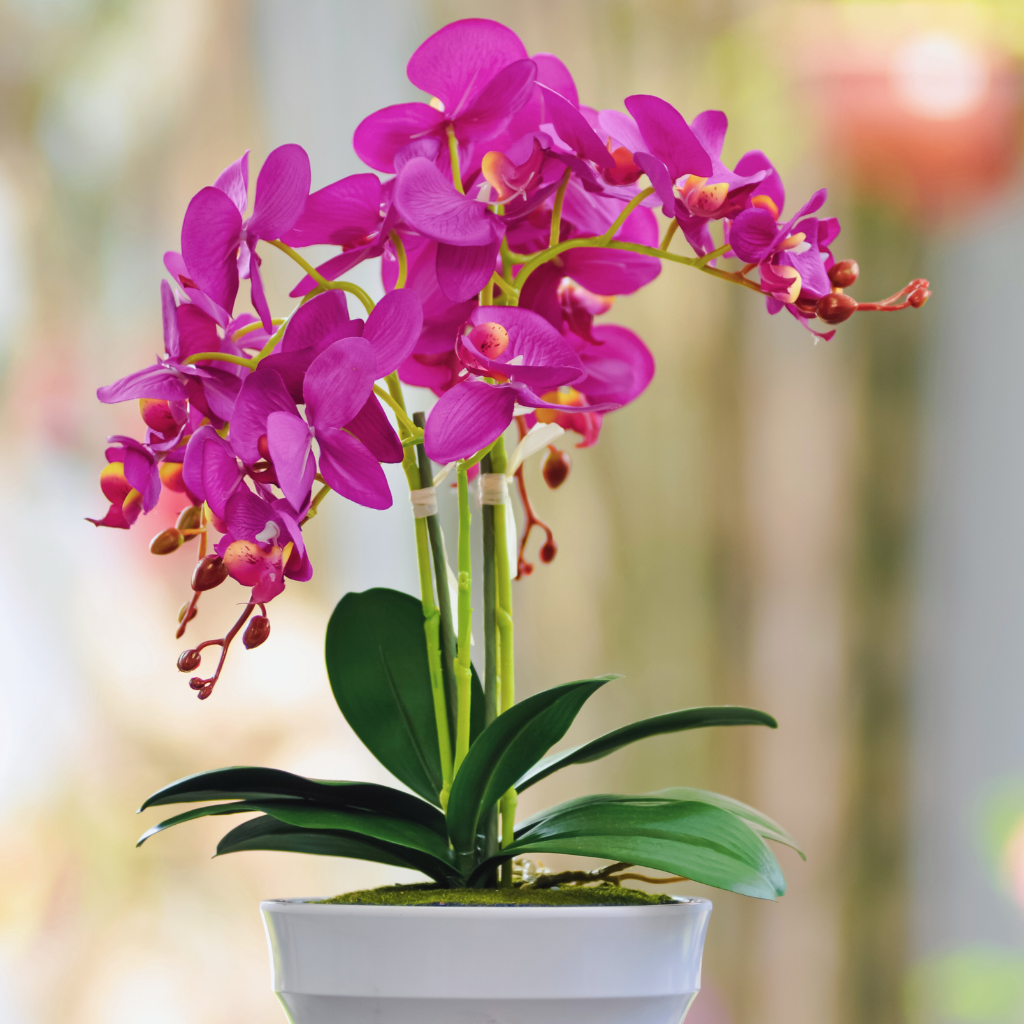
7. Orchid (Orchidaceous)
Orchids are elegant feng shui plants that represent love, beauty, and fertility. Their exotic flowers come in many colours, each with its own meaning in Feng Shui. Pink orchids attract love and romance, white orchids bring purity and peace, and purple orchids symbolize respect and admiration.
While orchids have a reputation for being difficult, they’re actually quite manageable once you understand their needs. They prefer bright, indirect light and should be watered about once a week.
8. Citrus Trees (Citrus Species)
Small citrus trees, especially kumquat and orange trees, are traditional feng shui plants during Chinese New Year celebrations. The bright orange colour and round shape of the fruits symbolize gold and prosperity. Citrus trees represent abundance, good luck, and happiness.
These trees need plenty of sunlight and regular watering. If you can’t grow a full tree indoors, even a small potted citrus plant can bring positive energy to your space.
9. Basil (Ocimum Basilicum)
Holy basil, or tulsi, is a sacred plant in both Hindu and Feng Shui traditions. This aromatic herb is believed to attract positive energy, cleanse negative vibrations, and bring good fortune to the household. As one of the beneficial feng shui plants, basil also symbolizes love and protects against harmful influences.
Basil is easy to grow on a sunny windowsill in your kitchen. You can use its fresh leaves in cooking, making it both practical and spiritually beneficial.
10. Chrysanthemum (Chrysanthemum Morifolium)
Chrysanthemums, or “mums,” are cheerful feng shui plants that represent happiness and well-being. In Feng Shui, they’re believed to bring laughter and joy into the home. The bright, colourful flowers also symbolize long life and good health.
These flowering plants prefer cool temperatures and bright light. They make wonderful additions to living rooms and dining areas where families gather together.
11. Rosemary (Rosmarinus Officinalis)
Rosemary is an aromatic herb that’s considered one of the protective feng shui plants. It’s believed to improve memory, promote mental clarity, and ward off negative energy. Many people keep rosemary plants near entrances or in study areas to enhance focus and learning.
This Mediterranean herb loves sunlight and well-drained soil. Besides its Feng Shui benefits, you can also use fresh rosemary in your cooking.
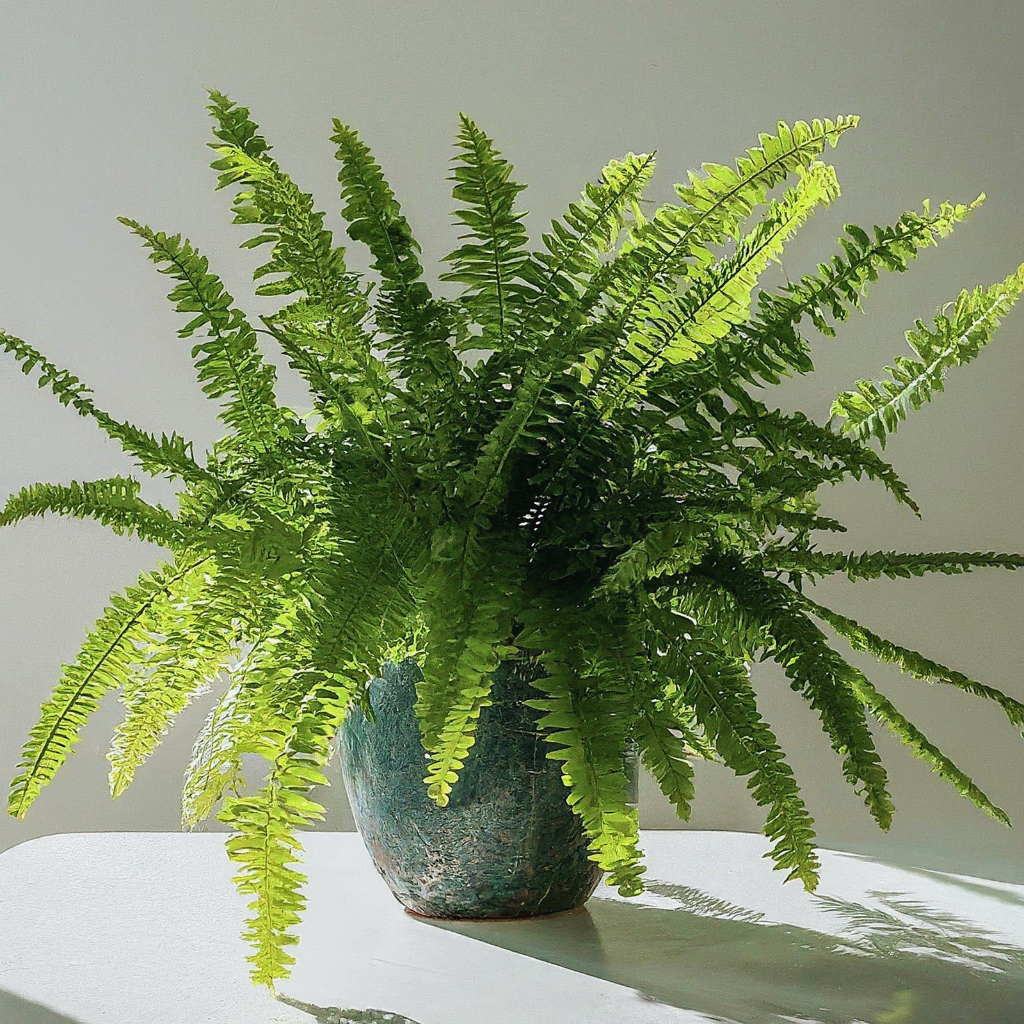
12. Boston Fern (Nephrolepis Exaltata)
Boston ferns are lush, feathery feng shui plants that represent new beginnings and opportunities. Their cascading fronds create a soft, welcoming energy that helps neutralize tension and promotes harmony. These plants are excellent for bathrooms and humid spaces.
Boston ferns prefer indirect light and high humidity. Misting them regularly or placing them on a tray of wet pebbles will keep them happy and healthy.
Where to Place Feng Shui Plants in Your Home
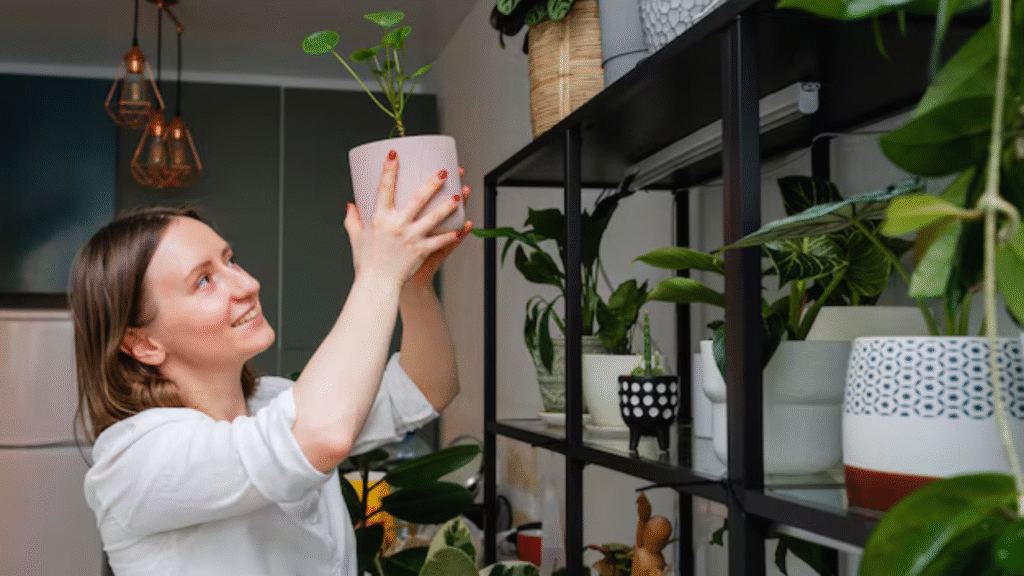
Knowing where to position your feng shui plants is just as important as choosing the right plants. According to Feng Shui principles, different areas of your home correspond to different life aspects.
The Entrance and Foyer
Placing feng shui plants near your main entrance welcomes positive energy into your home and blocks negative influences from entering. Choose plants with rounded leaves like jade plants or money plants. Avoid plants with sharp, pointed leaves near the entrance as they might create harsh energy.
The Living Room
The living room is the heart of your home where family and friends gather. Feng shui plants in this area promote harmony, happiness, and good relationships. Large plants like rubber plants or peace lilies work well in corners, while smaller plants can be placed on coffee tables or shelves.
The Bedroom
For bedrooms, choose calming feng shui plants that promote rest and relaxation. Snake plants and peace lilies are excellent choices because they purify the air and create tranquil energy. Avoid placing too many plants in the bedroom, as too much active energy might disturb sleep. One or two plants are usually sufficient.
The Kitchen
The kitchen represents nourishment and abundance in Feng Shui. Herb feng shui plants like basil and rosemary are perfect for kitchen windowsills. They’re practical for cooking and also attract prosperity and good health to your family.
The Home Office or Study Area
If you work or study from home, feng shui plants in your workspace can enhance focus, creativity, and success. Lucky bamboo on your desk brings good fortune, while a money plant can attract professional advancement and financial opportunities.
The Bathroom
Bathrooms tend to drain energy in Feng Shui philosophy. Placing feng shui plants like Boston ferns or pathos in the bathroom helps balance this energy drainage and maintains positive Chi flow throughout your home.
Feng Shui Plants to Avoid
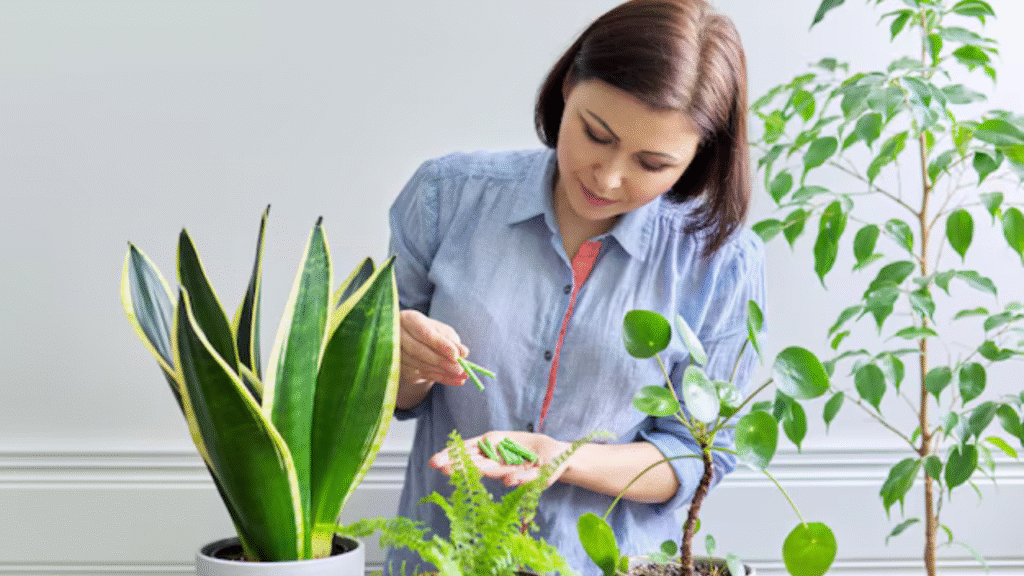
While most plants bring positive energy, Feng Shui tradition suggests avoiding certain plants in your living spaces:
Plants with Thorns or Sharp Leaves
Cacti, roses, and other prickly plants are generally not recommended as feng shui plants for indoor spaces because their sharp thorns can create harsh, aggressive energy. However, if you love these plants, you can keep them outside or in protected areas where they won’t directly face living spaces.
Dead or Dying Plants
Nothing drains positive energy faster than dead or dying plants. If your feng shui plants aren’t thriving despite your care efforts, it might be better to find them a new home or replace them with healthier specimens. Dead plants represent stagnant or negative energy.
Fake Plants
While artificial plants are convenient, they lack the living energy that makes feng shui plants so beneficial. If you absolutely must use artificial plants due to low light or other limitations, choose high-quality silk plants and keep them clean and dust-free.
Bonsai Trees
Traditionally, bonsai trees are discouraged in Feng Shui because they represent stunted growth and limited potential. However, opinions vary on this topic, and if you love bonsai and care for it well, it may still bring you joy and positive energy.
Caring for Your Feng Shui Plants
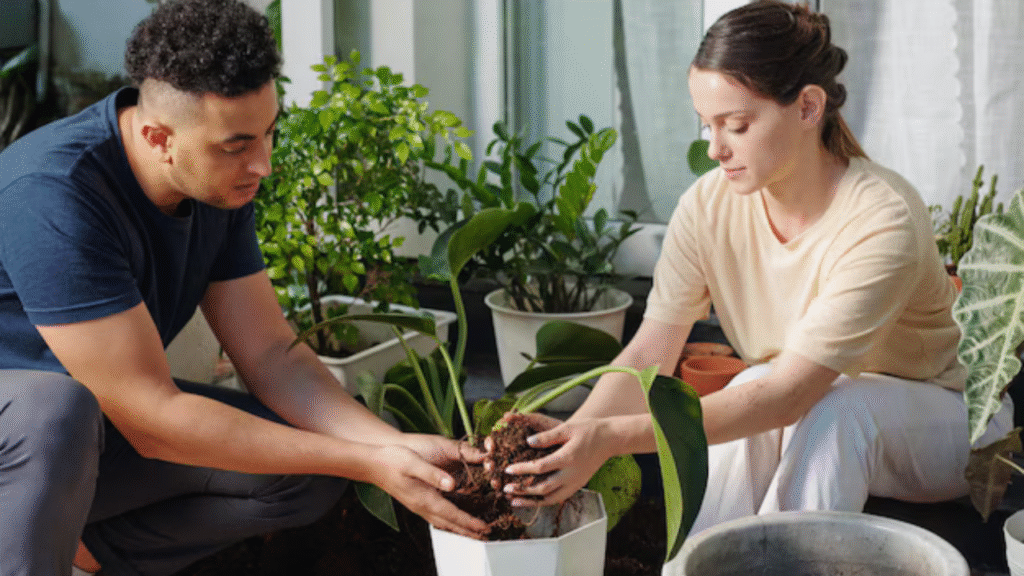
Healthy, thriving feng shui plants bring the most positive energy to your space. Here are some simple care tips that anyone can follow:
Regular Watering
Different plants need different amounts of water. Generally, it’s better to underwater than overwater. Most feng shui plants prefer their soil to dry out slightly between waterings. Stick your finger into the soil about an inch deep if it feels dry, it’s time to water.
Adequate Lighting
Pay attention to your plants’ light requirements. Most feng shui plants prefer bright, indirect light, meaning they should be near windows but not in direct sunlight that could burn their leaves. If you notice your plants leaning toward the light, rotate them regularly for even growth.
Clean Leaves
Dust accumulation on plant leaves blocks their ability to absorb light and release oxygen. Gently wipe the leaves of your feng shui plants with a damp cloth every few weeks. This simple act also shows respect and care for your living companions.
Proper Feeding
During the growing season (spring and summer), feed your feng shui plants with appropriate fertilizer according to their specific needs. This helps them grow strong and vibrant, which enhances their positive energy.
Pruning and Grooming
Remove dead leaves, flowers, or branches promptly. Prune your feng shui plants to maintain their shape and encourage healthy growth. This practice prevents negative energy from accumulating in your space.
Speaking to Your Plants
This might sound unusual, but many Feng Shui practitioners believe that talking kindly to your plants and expressing gratitude for them enhances their positive energy. Whether or not this affects the plants themselves, it certainly helps you develop a more mindful, appreciative relationship with nature.
Common Mistakes to Avoid
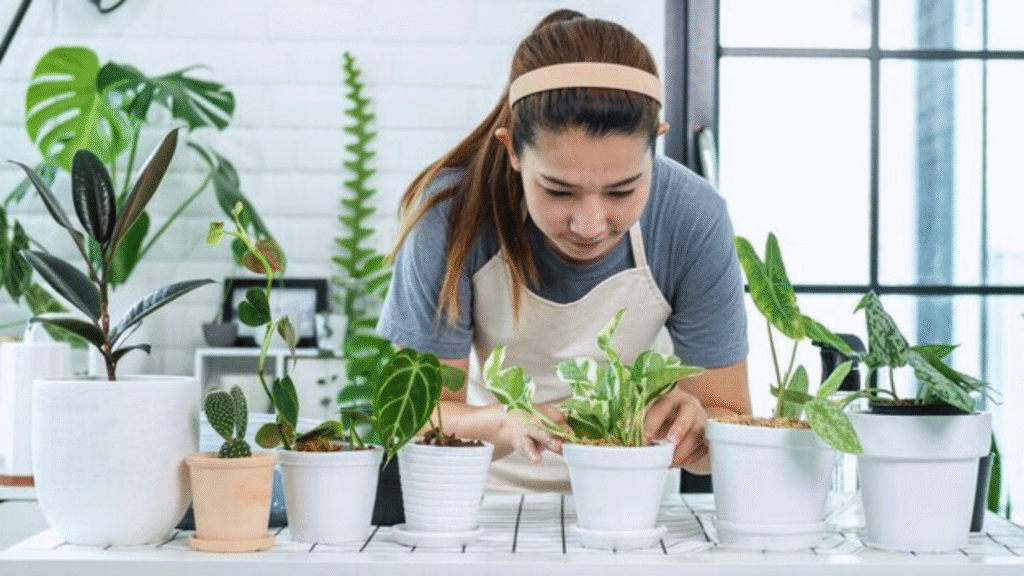
Even with the best intentions, people sometimes make mistakes when incorporating feng shui plants into their homes. Here are some common pitfalls to avoid:
Overcrowding
Having too many plants in one area can create overwhelming energy. Space your feng shui plants thoughtfully throughout your home rather than clustering them all in one room.
Neglecting Sick Plants
If your plants become sick or infested with pests, address the problem immediately. Struggling plants can bring down the energy of your entire space. Sometimes the kindest thing is to remove a plant that isn’t thriving rather than letting it suffer.
Placing Plants in the Wrong Bagua Areas
Feng Shui uses the Bagua map to divide spaces into areas representing different life aspects. While this article focuses on basic plant placement, you might want to learn more about the Bagua if you become serious about Feng Shui practice.
Choosing Plants Based Only on Looks
While aesthetics matter, choose feng shui plants that you can actually care for successfully. A struggling rare orchid brings less positive energy than a thriving pathos plant.
Conclusion: Start Your Feng Shui Plant Journey Today
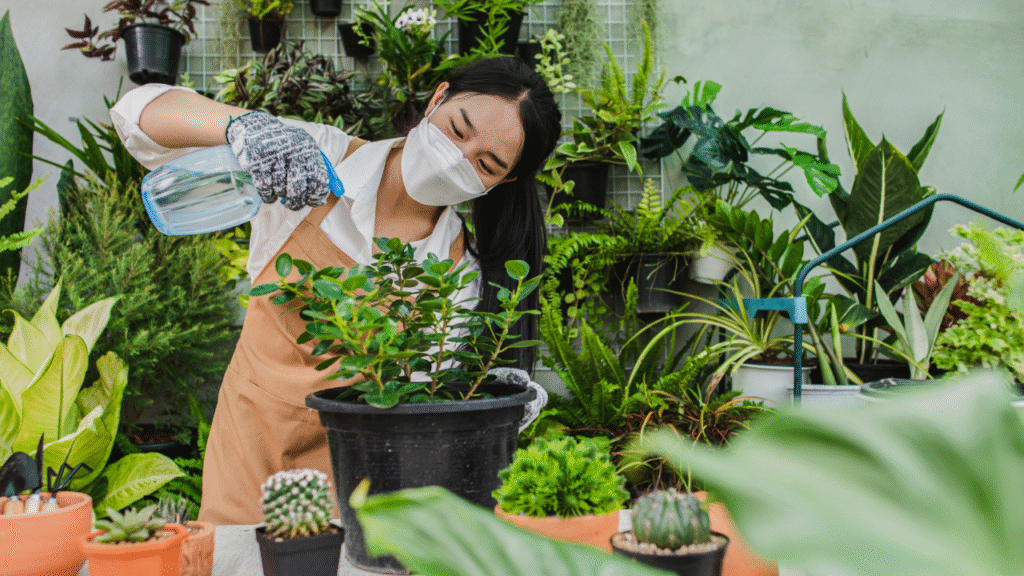
Bringing feng shui plants into your home is a simple yet powerful way to improve the energy and atmosphere of your living space. These living companions don’t just look beautiful they actively contribute to your wellbeing, prosperity, and happiness according to ancient wisdom that has been valued for thousands of years.
Remember, you don’t need to become an expert overnight or fill your home with dozens of plants immediately. Start small with one or two easy-care feng shui plants like lucky bamboo or a money plant. As you gain confidence and experience, you can gradually expand your green family.
The most important thing is to choose plants that resonate with you and that you’ll enjoy caring for. When you nurture your feng shui plants with love and attention, they’ll reward you with beauty, fresh air, and positive energy that flows throughout your home.
Whether you fully believe in Feng Shui philosophy or simply enjoy having plants around, there’s no denying that a home filled with healthy, thriving greenery feels more alive, welcoming, and peaceful. So why not start today? Choose your first feng shui plant, find the perfect spot for it, and begin your journey toward creating a more harmonious living space.
Your plants are waiting to bring prosperity, joy, and positive energy into your life. All you need to do is welcome them in.
Frequently Asked Questions About Feng Shui Plants
- Which feng shui plants are best for beginners?
If you’re new to keeping plants, start with easy-care feng shui plants like lucky bamboo, money plant (pathos), or snake plant. These plants are nearly impossible to kill and require minimal maintenance. They can survive in low light conditions and don’t need frequent watering, making them perfect for first-time plant owners.2. Can I keep feng shui plants in my bedroom?
Yes, you can keep feng shui plants in your bedroom, but choose them carefully. Snake plants and peace lilies are excellent choices because they purify the air and create calming energy. However, avoid keeping too many plants in the bedroom as excessive plant energy might disturb your sleep. One or two plants are usually enough.3. Do feng shui plants really attract money and good luck?
While feng shui plants cannot magically create wealth, they do contribute to a positive, harmonious environment that may help you feel more optimistic and focused. Many people report experiencing positive changes in their lives after incorporating these plants. The act of caring for plants also creates mindfulness and intention, which can positively influence your mindset.4. How often should I water my feng shui plants?
Watering frequency depends on the specific plant type. Most feng shui plants prefer their soil to dry out slightly between waterings. Check the soil by inserting your finger about an inch deep if it feels dry, it’s time to water. Generally, watering once a week is sufficient for most indoor plants, but always research your specific plant’s needs.5. Where is the best place to put feng shui plants in my home?
The best placement for feng shui plants depends on what energy you want to attract. Place them near your entrance to welcome positive energy, in the living room for harmony, in your home office for success and focus, or in the wealth corner (far left corner from your entrance) to attract prosperity. Avoid placing plants with sharp leaves near doorways or sleeping areas.