
Aromatic Plants: A Complete Guide to Fragrance, Care, and Uses
What Are Aromatic Plants?
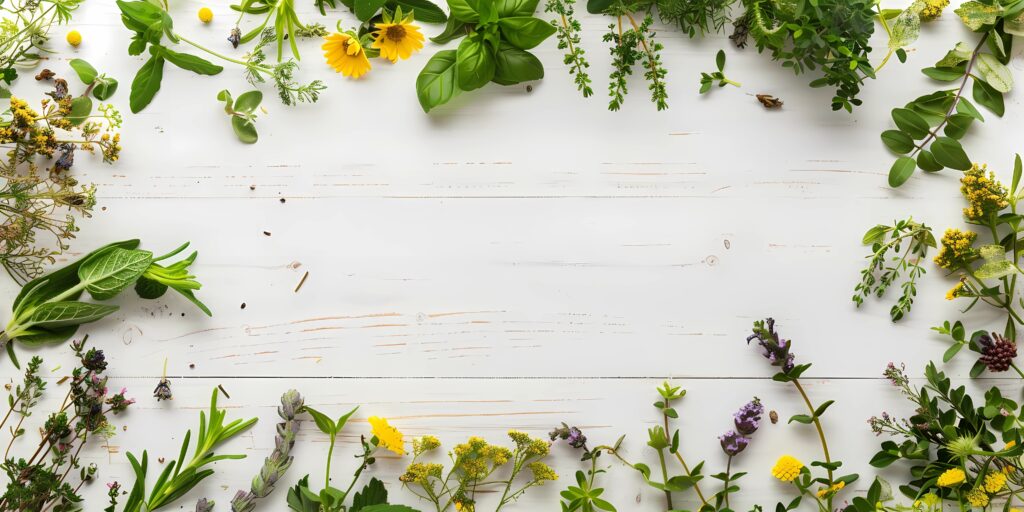
Aromatic Plants are those that produce pleasant or powerful scents from oils and volatile compounds stored in their leaves, flowers, stems, or roots. Think of Aromatic Plants as the perfume-makers of the plant world tiny chemical factories that release fragrances when the plant is touched, crushed, or warmed. These scents serve many purposes for the plant (attracting pollinators, repelling pests) and for us: mood-lifting, flavouring food, or scenting a room.
Definition and science behind the scent
At the heart of Aromatic Plants are essential oils complex blends of terpenes, phenolics, esters, and other volatile molecules. When you rub a leaf of lemon balm or snap off a lavender tip, those molecules vaporize and your nose picks them up. Different plants produce different dominant compounds (linalool in lavender, menthol in mint), which gives each aromatic plant its unique signature.
Essential oils and volatile compounds
Essential oils are concentrated, aromatic extracts. They’re used in perfumery, food flavouring, and therapeutic products. While household gardeners rarely distil commercial-grade essential oils, understanding that oils exist and where they’re stored helps guide when to harvest and how to store herbs for maximum scent.

Why Grow Aromatic Plants? Benefits for Home and Garden
Aromatic Plants aren’t only pretty they’re practical. Here are reasons to bring them into your life.
Aromatherapy and mood
A sniff of rosemary while cooking or lavender before bed can calm or energize you. Aromas from Aromatic Plants are powerful memory cues and mood modulators: citrus notes are often uplifting, while floral and herbal scents are calming.
Pest control and companion planting
Some Aromatic Plants deter pests. Marigolds, rosemary, and certain geraniums can repel unwanted insects from nearby veggies. Planting aromatic herbs among vegetables is like hiring a silent security guard.
Culinary and medicinal uses
Basil, thyme, mint, and lemongrass don’t just smell good they flavour food. Many Aromatic Plants have medicinal properties (think chamomile for sleep, peppermint for digestion), making them useful in a home apothecary.
Popular Aromatic Plants to Grow at home
Popular Aromatic Plants to Grow (Easy Picks)
If you’re just starting your journey with Aromatic Plants or even if you’re a seasoned gardener looking for reliable, fragrant options this list is your perfect starting point. These plants don’t just smell amazing; they elevate your home, kitchen, and mood with very little effort. Let’s explore them one by one.
Lavender
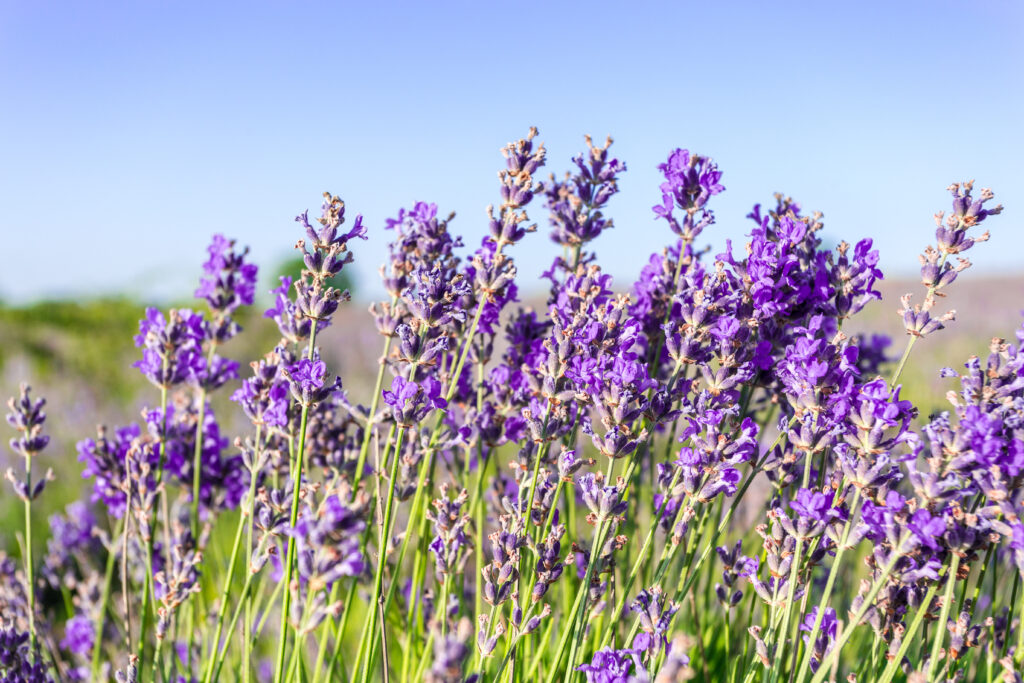
Lavender is the queen of soothing scents. One gentle rub of its narrow, silvery leaves releases that classic, calming aroma we all love. Its pretty purple flower spikes attract bees and butterflies, turning your balcony or garden into a tiny pollinator paradise. Whether you want to make sachets, teas, or simply enjoy the fragrance every time you walk by, lavender never disappoints.
Growing Tips
Lavender loves sunshine think at least 6–8 hours a day. Plant it in well-drained soil because soggy roots are its biggest enemy. If you’re growing it in a pot, choose one with multiple drainage holes. Prune the plant lightly after it finishes flowering to keep it happy, compact, and full of blooms next season.
Mint
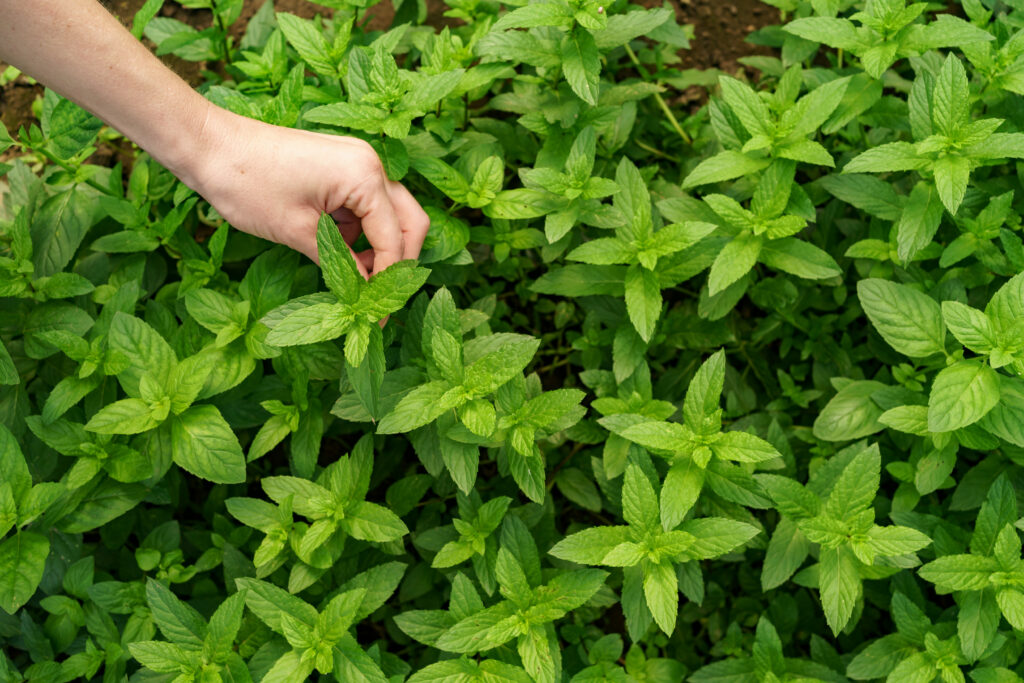
If there’s one plant that grows with enthusiasm, it’s mint. Fresh, cool, and lively mint is perfect for teas, lemonades, chutneys, raitas, and even mojitos. Break just one leaf, and your fingers will carry its refreshing scent for hours. But beware mint spreads fast, almost like it’s planning to take over the world.
Growing Tips
Always grow mint in a pot unless you want it to invade every corner of your garden. It thrives in rich, moist soil and appreciates regular watering. The more you harvest, the bushier and healthier it becomes. So don’t hesitate keep pinching young leaves for everyday use.
Rosemary
Rosemary is the bold, confident member of the Aromatic Plants family. With its woody stems and needle-like leaves, this herb releases a strong, earthy, resinous fragrance that instantly reminds you of roasted potatoes and grilled dishes. It’s also an excellent natural air freshener and even helps improve concentration.
Growing Tips
Just like lavender, rosemary enjoys bright sunlight and well-drained soil. It’s drought-tolerant once mature, so it’s okay if you forget to water it occasionally. But it hates sitting in wet soil waterlogging can cause root rot. Give it space to grow, and it will reward you with year-round greenery and fragrance.
Basil
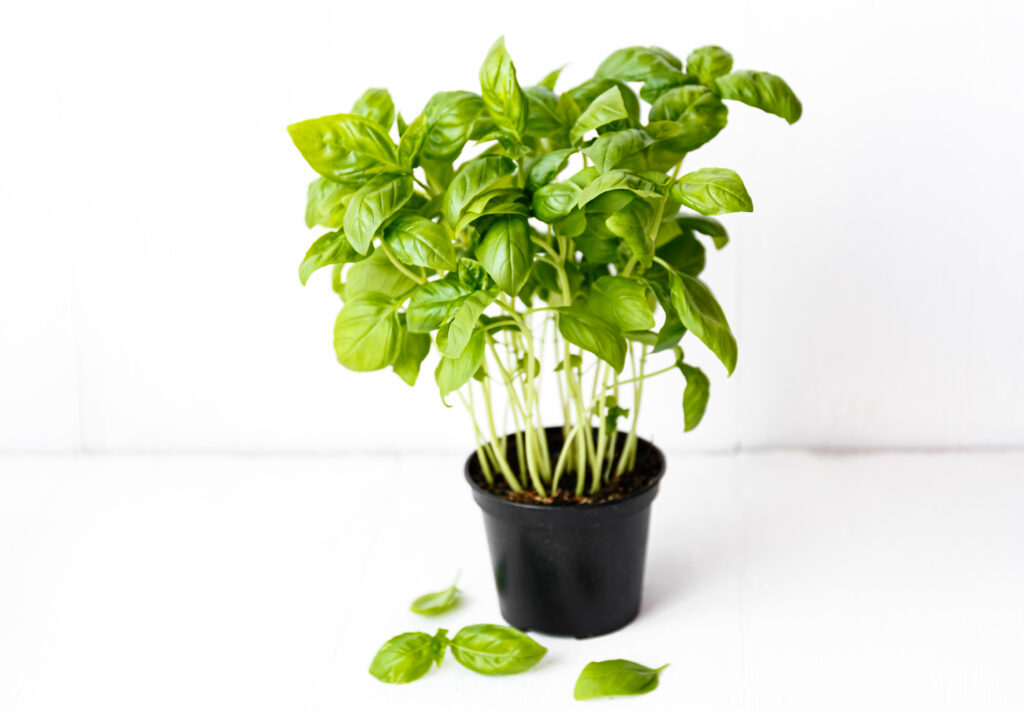
Basil is the heart and soul of kitchen herbs. Its sweet, peppery fragrance can make any dish from pasta to curry taste fresher and more vibrant. Brush your hand through a basil plant, and the scent instantly uplifts your mood. There are many types of basil, including sweet basil, Thai basil, holy basil (tulsi), and lemon basil each with its own unique aroma.
Growing Tips
Basil needs warmth, sunlight, and regular care. Keep the soil slightly moist but not soggy. Pinch off flower buds as soon as they appear this encourages the plant to produce more aromatic leaves. Regular trimming not only keeps basil in shape but also boosts its flavour.
Jasmine
Jasmine is pure magic. Its intoxicating night-time fragrance has been loved in Indian homes for centuries. Whether you grow it as a climber on a trellis or in a medium-size pot, jasmine adds romance, beauty, and richness to any space. Many varieties bloom at night, filling the air with a sweet, heavenly scent.
Growing Tips
Climbing varieties need support, such as a trellis, balcony grill, or wall. Jasmine enjoys bright light full sun or partial shade depending on the species. Keep the soil evenly moist during the growing season. With the right care, jasmine blooms generously and perfumes your evenings like nothing else.
Other Wonderful Aromatic Plants to Consider
Lemon Balm
Lemon balm has a soft, lemony fragrance that instantly calms your senses. Crush a leaf, and you’ll feel like you just opened a jar of natural lemon perfume. It’s perfect for teas and stress-relief blends.
Thyme
Thyme is tiny but mighty. It carries a deep, earthy fragrance that’s perfect for soups, pastas, and roasted vegetables. Thyme stays low-growing and is great for borders and pots.
Lemongrass
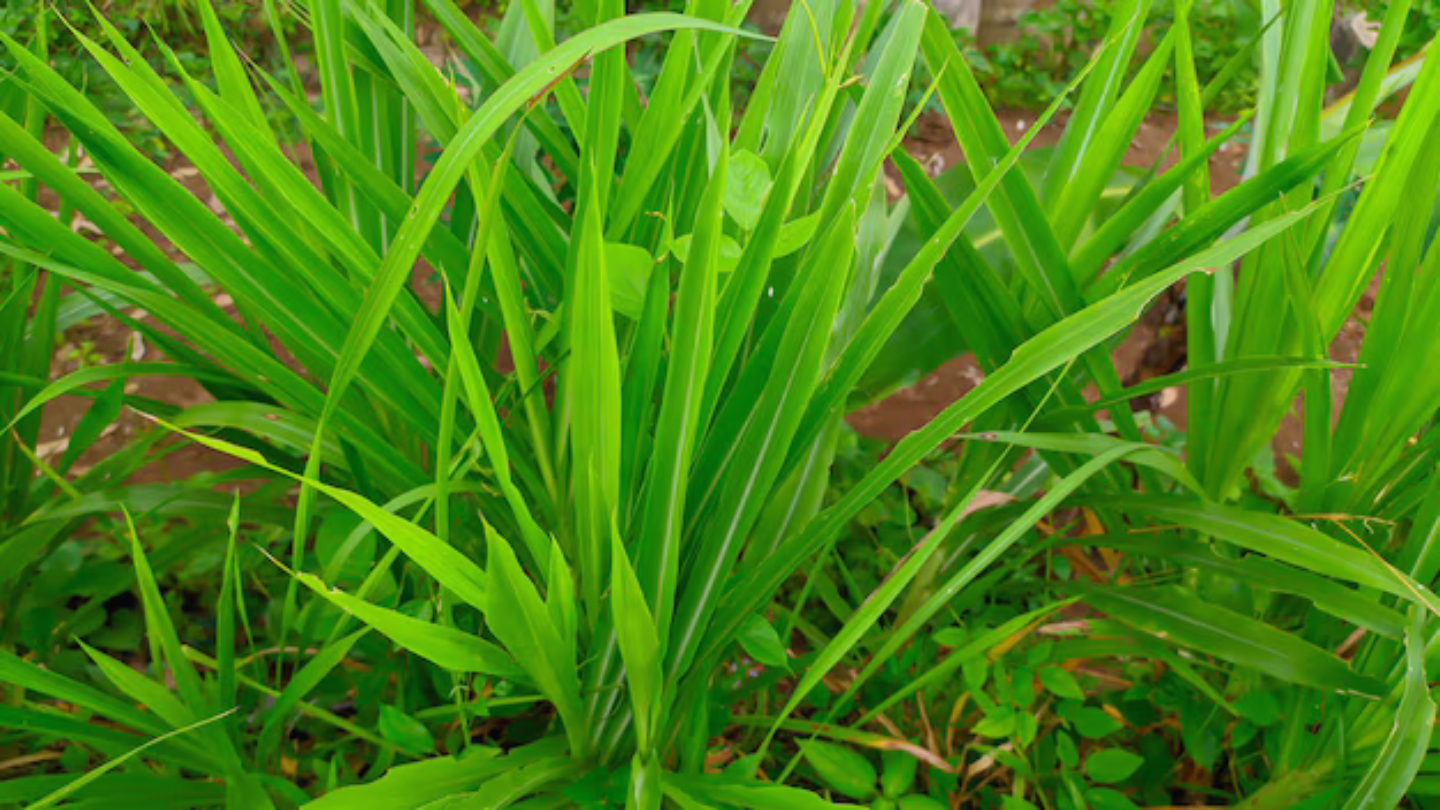
Fresh, bold, and citrusy lemongrass is widely used in teas, soups, and herbal remedies. Just brushing against the plant releases a lively lemon fragrance. It’s tall, graceful, and grows beautifully in pots or directly in soil.
Scented Geraniums
These are like nature’s scented candles. Depending on the variety, you’ll find scents like rose, lemon, mint, or even chocolate. Their leaves release fragrance whenever you touch them, and they make lovely ornamental plants for balconies and windows.
Choosing the Right Aromatic Plants for Your Space
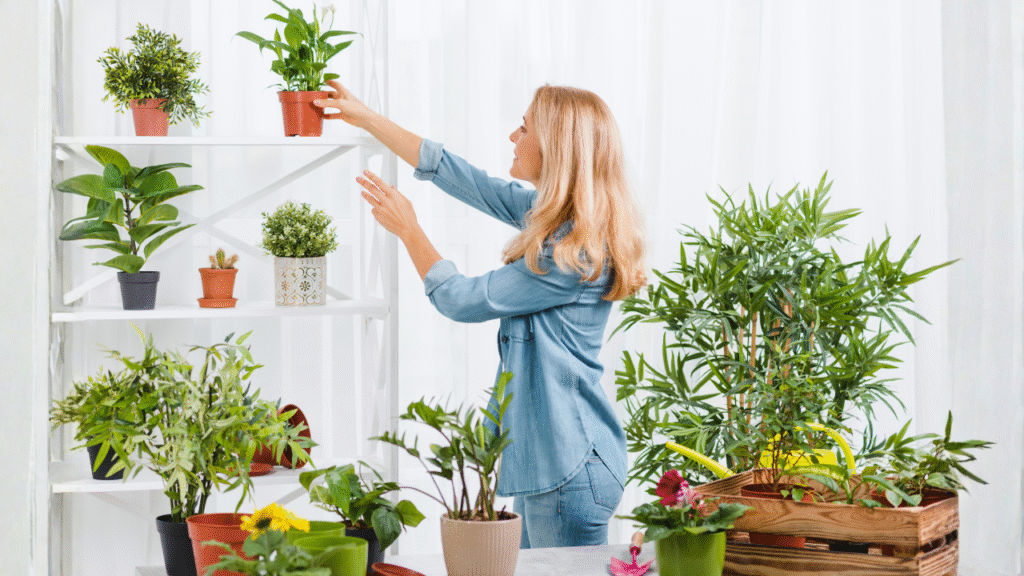
Balcony vs. garden vs. indoor
Before you buy, ask: indoor or outdoor? Sunny balcony or shaded courtyard?
• Balcony/garden: lavender, rosemary, jasmine, lemongrass do great with full sun.
• Indoor: mint, basil, scented geraniums can thrive on a sunny windowsill.
• Small spaces: choose compact varieties or use vertical planters.
Climate and soil considerations
Pick species suited to your climate. Mediterranean plants (lavender, rosemary) love heat and drainage; mint likes wetter soil. If you’re in a humid climate, favour plants tolerant of moisture or grow them in raised beds/pots where you control soil.
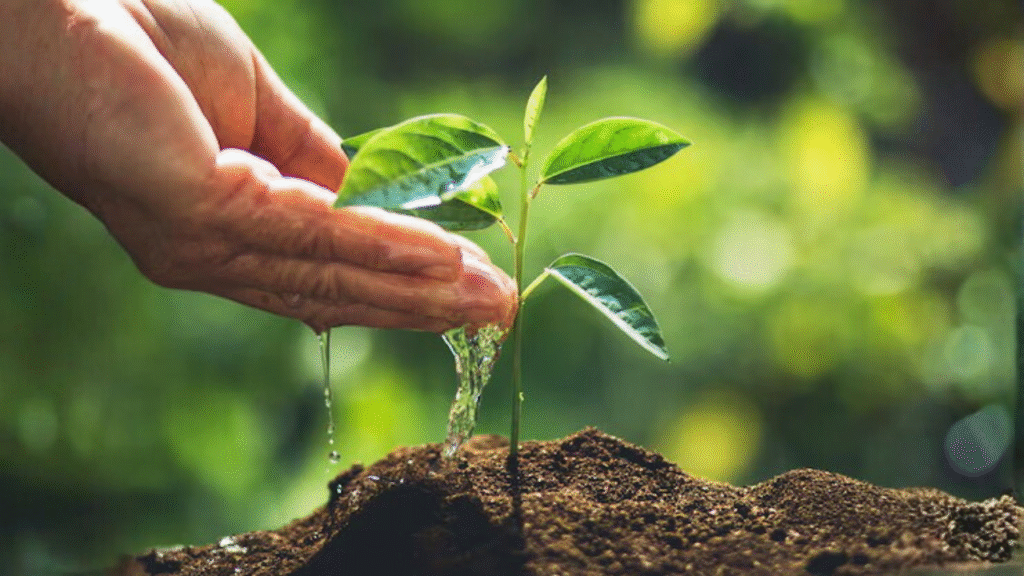
Soil, Sunlight, and Water: Basic Care Principles
Aromatic Plants usually aren’t fussy, but they have preferences.
Soil types and drainage
Most aromatic herbs prefer light, well-draining soil. Heavy clay holds water and can rot roots. Amend with sand, perlite, or compost to create a loose mix.
Sunlight hours and light quality
Aim for 4–8+ hours of sun for most Aromatic Plants. Some (mint, lemon balm) tolerate partial shade but may be less fragrant.
Watering best practices
Water deeply but infrequently for Mediterranean herbs; keep soil consistently moist for mint and basil. Let the topsoil dry slightly between waterings for drought-tolerant species.
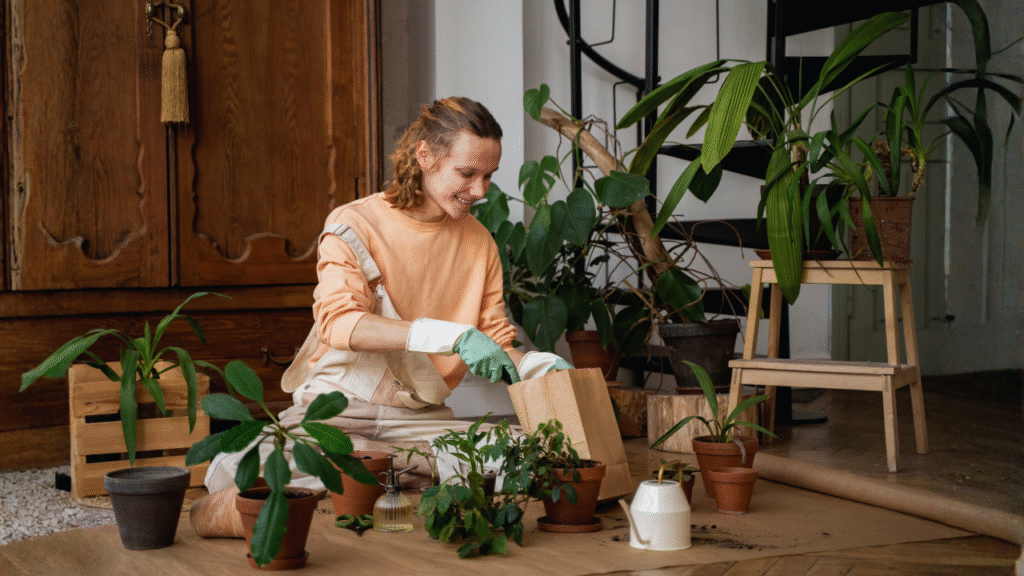
Potting and Container Tips for Aromatic Plants
Many Aromatic Plants are container-friendly, making them perfect for apartments.
Choosing pots and mixes
Use pots with drainage holes. A mix of potting soil and perlite gives good aeration. For larger herbs, choose a pot that leaves ample room for roots.
Repotting and root care
Repot annually if growth is vigorous. Trim roots lightly if pot-bound and replace some soil to refresh nutrients.
Pruning, Harvesting, and When to Pick Leaves/Flowers
Harvesting at the right moment maximizes aroma and flavour.

Best time of day to harvest
Late morning after dew evaporates but before midday heat preserves essential oil levels. For some flowers (like jasmine), scent peaks at night harvest based on use.
Pruning for growth and fragrance
Regular pruning promotes bushier growth and more leaves. Remove flower spikes on herbs like basil to keep energy in leaf production unless you want seeds.
Pests, Diseases, and Natural Remedies
Aromatic Plants generally resist many pests but can still face problems.
Common pests (aphids, spider mites)
Look for curled leaves, sticky residue, or fine webbing. Young plants may be extra vulnerable.
Natural solutions (neem, soap spray, companion planting)
Use insecticidal soap, neem oil, or a strong jet of water to dislodge pests. Planting aromatic herbs near vulnerable plants can reduce overall pest pressure.
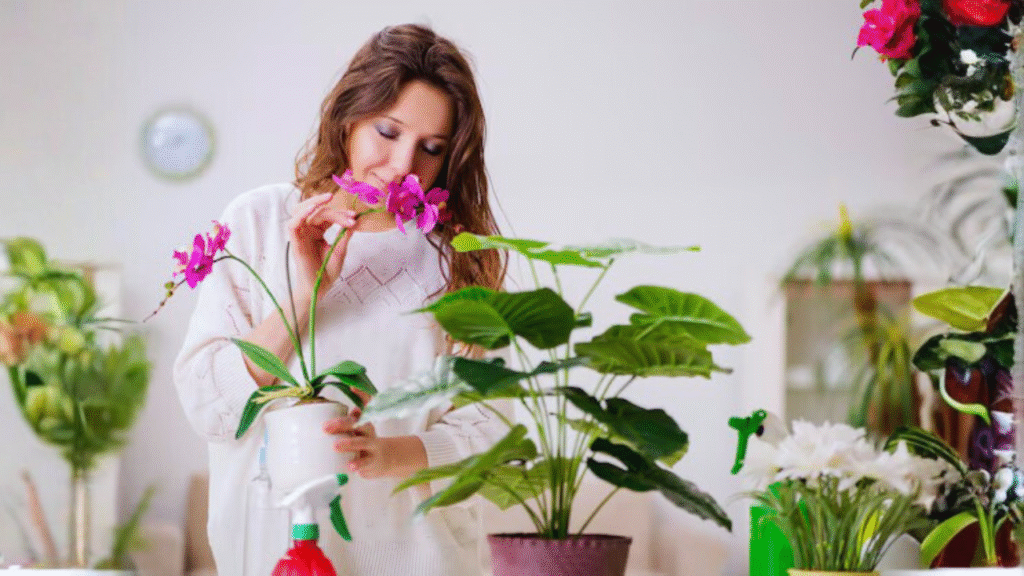
How to Extract and Use Aromas at Home
You don’t need lab equipment to enjoy or preserve scents.
Drying and storing herbs
Tie bundles and hang upside down in a warm, dry, dark place. Once crisp, strip leaves into jars and label with date dried herbs store best in airtight containers away from light.
Making simple sachets, infused oils, and teas
Sachets: mix dried lavender or lemon balm with cedar shavings for drawers.
Infused oils: steep fresh herbs in carrier oil for a week in sunlight (or gently warm), then strain.
Teas: steep fresh leaves in hot water for a comforting cup.
Quick DIY essential oil distillation (overview)
Home distillation is possible with small kits, but safety matters. Steam distillation collects volatile oils; for casual gardeners, solvent-free methods (infusions, enfleurage) are simpler and safer.
Creative Uses: Decorating, Cooking & Self-care
Aromatic Plants bring multi-sensory magic to the home.
Floral arrangements & potpourri
Combine fragrant blooms and foliage in bowls or wreaths. Dehydrated petals with orange peel and cloves make rustic potpourri.
Infused oils, syrups, culinary uses
Make basil-infused oil for salads, rosemary syrup for drinks, or mint chutney for meals. Aromatic Plants can elevate everyday dishes with freshness.
Bath salts, scrubs, and sleep sprays
Blend dried lavender into Epsom salts for a relaxing soak. Mix citrus zest and sugar with rosemary for scrubs. Make a sleep spray by infusing distilled water with lavender essence.
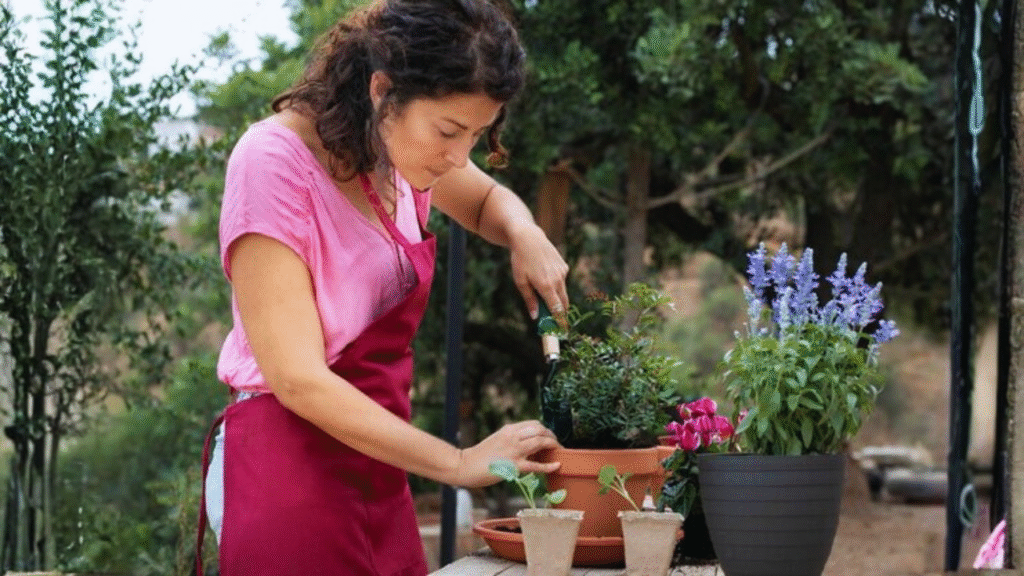
Seasonal Care: Winterizing and Summer Management
Plants’ needs change with seasons plan ahead.
Protecting tender plants in cold
Bring pots inside or use frost cloth. Cluster plants near walls or under eaves for microclimate benefits.
Heat stress and mulching in summer
Mulch around non-mediterranean herbs to retain soil moisture. Provide afternoon shade for basil during heatwaves.
Sustainable Practices and Eco-friendly Care
Growing Aromatic Plants can be kind to the planet.
Water conservation and native choices
Select drought-tolerant and native aromatic species for lower water demand. Use rain barrels and drip irrigation for efficient watering.
Organic pest control and soil health
Feed plants with compost, avoid chemical pesticides, and encourage beneficial insects by planting a diversity of flowers.
Troubleshooting: Why My Aromatic Plant Doesn’t Smell Strong
If your herb lacks punch, check the basics.
Causes and fixes (fertilizer, light, pruning)
• Too much nitrogen fertilizer can dilute scent – reduce feeding.
• Lack of sunlight reduces oil production – move plant into a brighter spot.
• Overwatering or poor drainage can weaken aroma – adjust watering and soil.
• Harvesting at wrong time (e.g., after heavy rain or midday heat) can reduce essential oil concentration try harvesting mid-morning.

Conclusion
Aromatic Plants do more than just smell good they quietly transform your home into a calming, refreshing, and lively space. They bring together the best of nature: beauty, wellness, and a sense of peace that feels almost therapeutic. Whether you live in a spacious home with a backyard or a compact apartment with just one sunny window, there’s always room for at least one fragrant companion plant.
What makes Aromatic Plants truly special is how effortlessly they fit into everyday life. A sprig of mint in your evening tea, the soft scent of jasmine drifting in from your balcony, or the calming aroma of lavender on your bedside table these small, sensory moments add up to a happier, healthier routine. And the best part? These plants don’t demand much. With a little sunlight, well-drained soil, occasional pruning, and the right harvesting time, they reward you with long-lasting fragrance and fresh growth.
At the end of the day, growing Aromatic Plants is like inviting nature into your life in its purest form. They refresh your surroundings, uplift your mood, and bring tiny pockets of joy into your routine one leaf, one flower, one aroma at a time. If you’re looking for a simple, meaningful way to enhance your home and well-being, Aromatic Plants are the perfect place to start.
FAQs About Aromatic Plants
Q1: Which aromatic plant is best for beginners?
A: Mint is the easiest starter it grows quickly, tolerates many conditions, and gives instant rewards for teas and garnishes. Grow it in a pot to avoid it spreading everywhere.
Q2: How often should I harvest herbs for best scent?
A: Harvest mid-morning after dew dries. For most herbs, frequent light harvesting (pinching tips) encourages more aromatic leaf growth. Avoid heavy harvest immediately after rain.
Q3: Can Aromatic Plants be used safely around pets?
A: Some are safe (like basil, catnip), but others (like concentrated essential oils from some plants) may be harmful to pets. Research each plant and consult your vet if uncertain.
Q4: Do I need to dry herbs before using them in sachets or potpourri?
A: Yes, drying preserves the scent and prevents Mold. Dry in a warm, dark, ventilated place until leaves are crisp.
Q5: Will pruning reduce a plant’s fragrance?
A: Proper pruning actually increases fragrance by encouraging new leaf growth with high essential oil content. Avoid heavy pruning during extreme heat or cold.