
Doob Grass - The Complete Guide: Everything You Need to Know
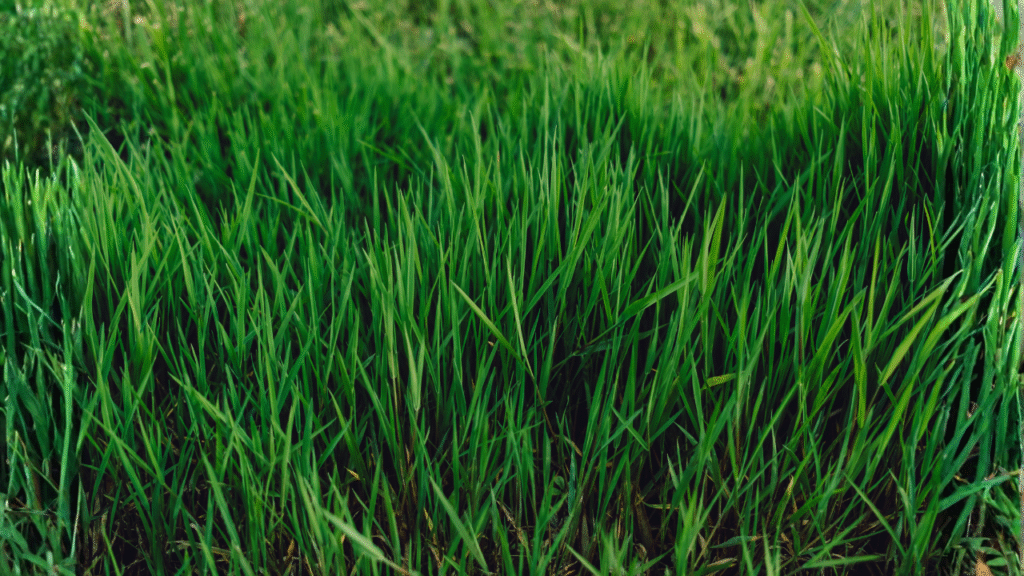
Doob grass is one of those plants you’ve seen a thousand times without even realizing it. It’s that soft, green carpet stretching across public parks, spreading lovingly in home lawns, and quietly holding soil in place on slopes and roadside edges. Simple, humble, and naturally resilient that’s doob grass for you.
But have you ever wondered what makes this grass so popular, especially in India? Or maybe you’re planning a lawn and heard someone say, “Just plant doob, it grows anywhere!” Now you’re curious Is doob grass actually that good? Will it suit my home garden? How do I take care of it?
Think of this guide as a friendly gardener standing right beside you, explaining everything in easy language no confusing jargon, no textbook-style descriptions. Just simple, practical, real-world advice.
We’ll walk through every step together
🌿 what doob grass actually is,
🌿 how it grows,
🌿 what conditions it loves,
🌿 how to plant it,
🌿 how to keep it green,
🌿 and how to fix problems when something goes wrong.
Whether you’re a beginner building your first lawn or a gardening lover wanting to understand your green space better, this guide will help you make confident decisions. So grab a cup of chai, get comfortable, and let’s dive deep into the wonderful world of doob grass a grass that’s tougher than it looks and friendlier than you expect.
What is Doob Grass?

Botanical Name, Basic Biology & Natural Origin Doob Grass
Doob grass, scientifically known as Cynodon dactylon, is one of the most common and loved lawn grasses in India. If you’ve ever walked barefoot on a soft, slightly springy green lawn in a park or a garden, chances are, it was doob grass beneath your feet. It’s a perennial warm-season grass, which simply means it stays alive year after year and grows most actively during the warmer months.
What makes doob grass truly special is the way it spreads. Unlike many grasses that grow straight upward, doob expands both above the ground through stolon’s and below the ground through rhizomes. Think of stolon’s as little runners that crawl over the soil, creating new shoots wherever they touch. Rhizomes do the same job underground like hidden connectors. Because of this double-spreading system, doob forms a thick, cushiony mat that feels like a natural green carpet.
This unique growth pattern also explains why doob grass is so tough. Even if kids run on it, pets play on it, or certain patches get damaged, it quickly repairs itself. It’s like the grass has a built-in healing ability, making it one of the most low-maintenance choices for home lawns, parks, and sports fields.
Where Does Doob Grass Come From?
Doob grass didn’t just appear in your lawn one fine morning it has a long history across warm regions of the world. Originally, this grass species is native to tropical and subtropical areas, where the climate is warm, sunny, and perfect for its growth. Over time, because of its strength, drought tolerance, and versatility, it naturally spread across continents.
Today, doob grass can be found almost everywhere from Asia and Africa to parts of Europe and America. In India, it feels completely at home. Whether you’re living in Delhi’s dry heat, Bangalore’s mild climate, Chennai’s coastal weather, or any other sun-loving region, doob grass adapts beautifully.
Its ability to thrive in different soils and survive tough climatic conditions is the reason it’s widely used for:
- Home lawns
- Roadside patches
- School playgrounds
- Public gardens
- Sports fields
Simply put, if there’s sunshine and some soil, doob grass will happily grow and make itself comfortable.
Why Do People Choose Doob Grass?

Durability and wear tolerance
Doob is tough. It handles foot traffic well, which is why you’ll often see it in public parks, school grounds, and sports fields.
Soil and climate adaptability
It tolerates a wide range of soils from sandy to clay and stands up to heat and drought better than many cool-season grasses.
Cost-effectiveness
Compared to some specialty grasses, doob is budget-friendly both for initial planting and for maintenance over time.
Popular Varieties of Doob Grass
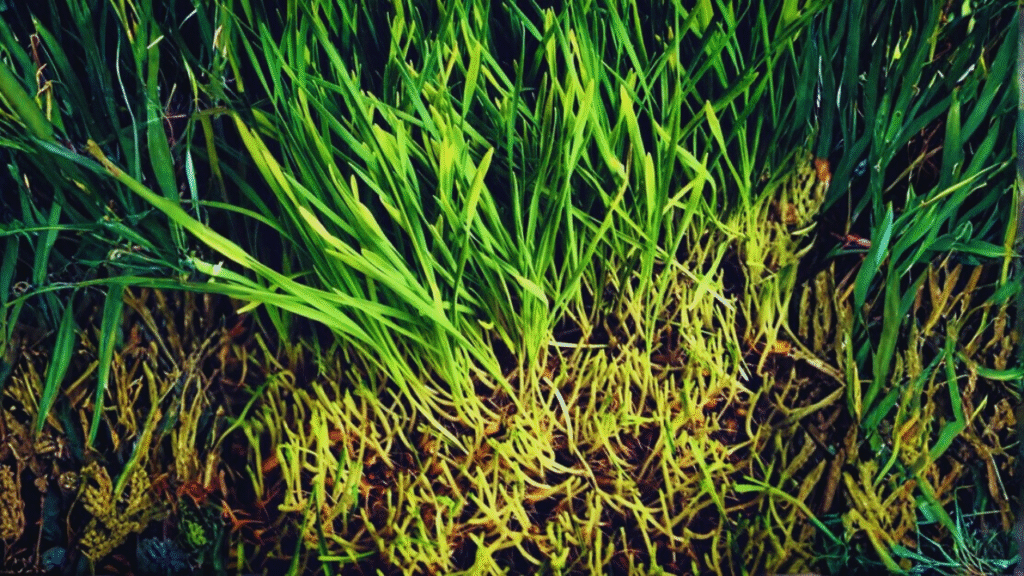
Common Doob (Cynodon dactylon)
This is the classic variety most people refer to as “doob.” It’s hardy and widely available.
Improved/hybrid varieties
Breeders have developed hybrids with finer leaf blades, denser growth, and improved color. These are great if you want a lawn that looks a bit more manicured but still wants doob’s resilience.
Ideal Conditions for Growing Doob Grass
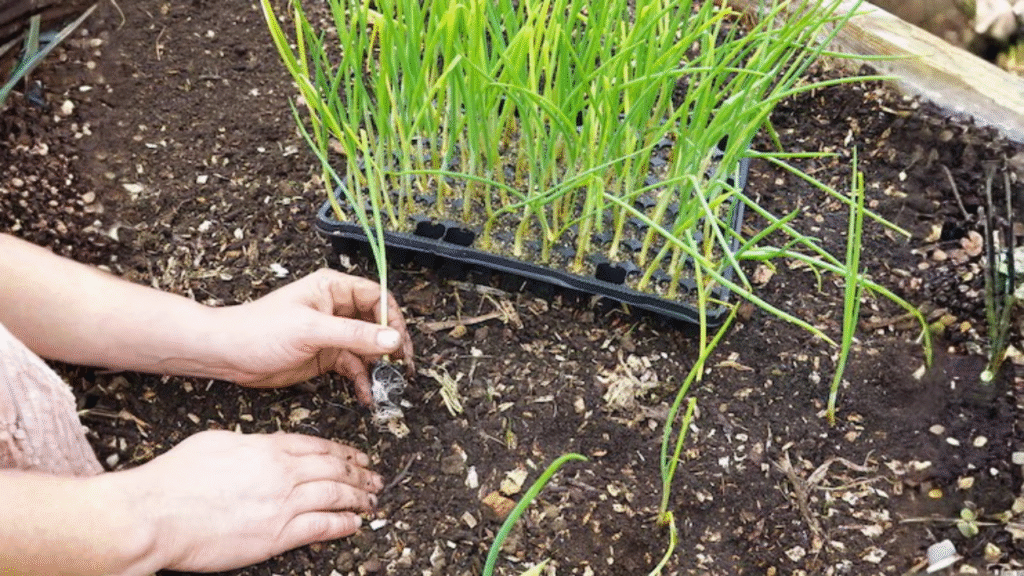
Climate & temperature
Doob thrives in warm conditions. It grows best when daytime temps are consistently above 20°C, and it goes dormant and brownish in cooler winters but returns once warmth comes back.
Soil type & pH
It tolerates many soils but prefers well-drained loamy soil with a pH between 6.0 and 7.5. Heavy clay can be improved with organic matter for better establishment.
Sunlight requirements
Doob loves sun. It does best with at least 6–8 hours of direct sunlight. In heavy shade, its growth will thin and weeds may creep in.
Planting Doob Grass — Step-by-Step
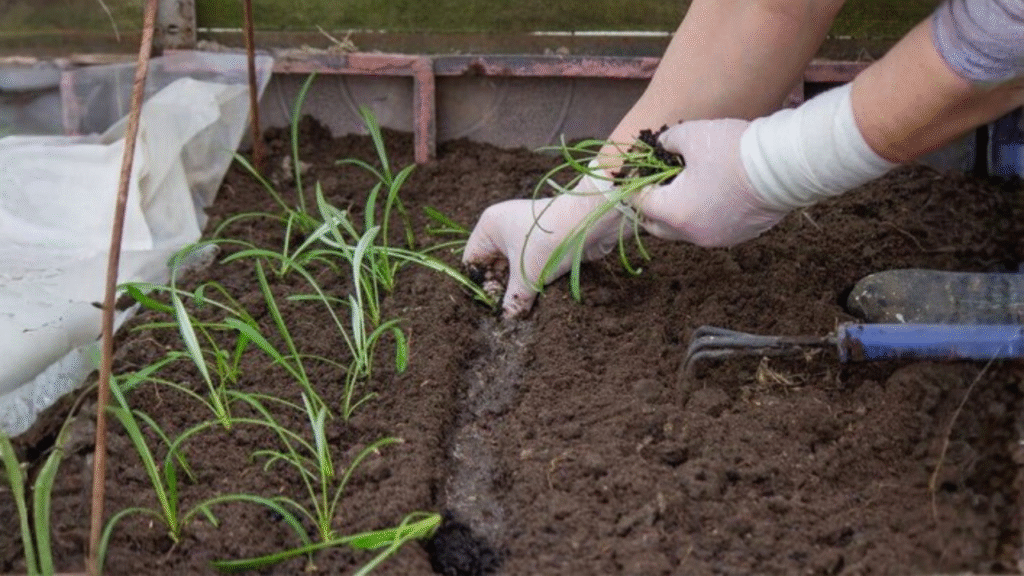
Preparing the soil
Think of soil prep like prepping a bed before planting. Clear weeds, loosen the top 10–15 cm, remove stones, and add compost if the soil’s poor. Level the ground to avoid water puddles.
Seeding vs. sodding vs. sprigging
- Seeding: Cheapest but slower. Good for large areas and patient gardeners.
- Sodding: Instant lawn, pricier, but immediate aesthetics. Best if you need a finished look fast.
- Sprigging: Planting stolon’s or pieces; middle ground commonly used in India.
Planting calendar (best time to plant)
Plant in late spring to early summer when soil warms up this gives the grass the full growing season to establish.
Watering & Irrigation Best Practices for Doob Grass
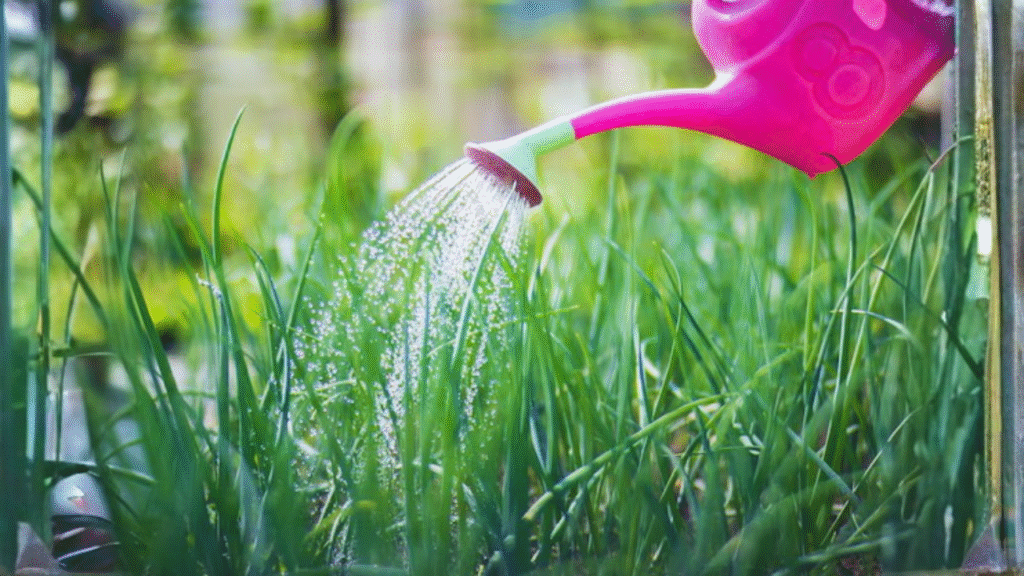
Establishment phase watering
After planting, keep the topsoil consistently moist (not waterlogged). Light, frequent watering for the first 2–3 weeks helps roots take hold.
Mature lawn watering schedule
Once established, water deeply but less often e.g., one heavy watering 2–3 times a week depending on heat and soil type. Deep watering encourages roots to grow deeper, making the lawn drought-resilient.
Signs of under- or over-watering
Under-watered doob becomes bluish-grey and footprints stay. Over-watered turf might be spongy, prone to fungal diseases, and have moss or thatch buildup.
Mowing & Lawn Height Management Doob Grass
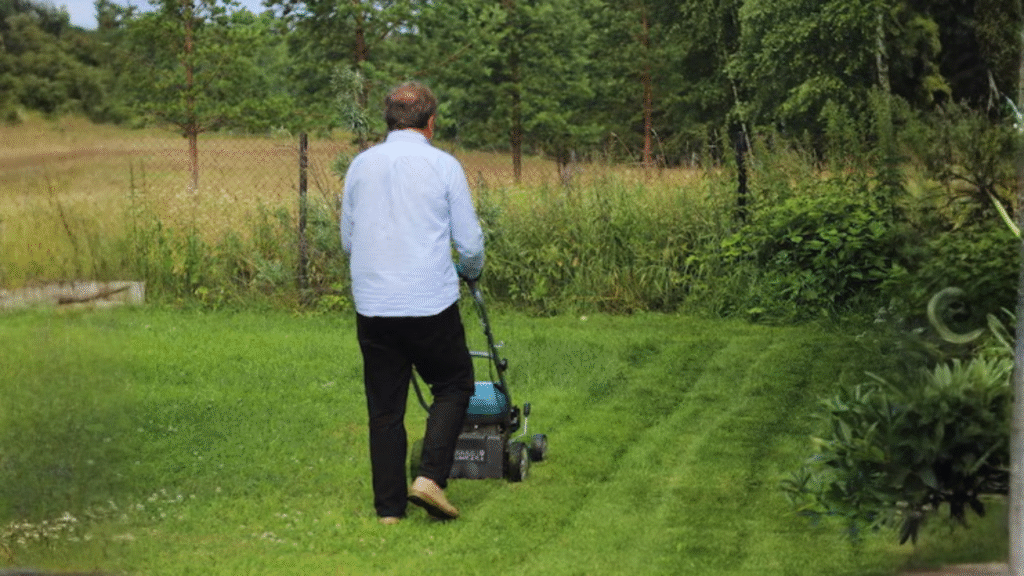
Recommended mowing height
Keep doob at about 2–3 cm for sports-grade look; for typical home lawns, 2.5–4 cm is comfortable. Don’t remove more than one-third of blade height at once.
Mowing frequency & techniques
Mow frequently in active growth weekly in peak season. Keep blades sharp to avoid tearing leaves and stressing the grass.
Grass cycling and leftover clippings
Leaving clipped grass (grass cycling) returns nutrients to the soil an eco-friendly win. Just don’t leave thick clumps.
Fertilizing Doob Grass (Nutrient Needs)
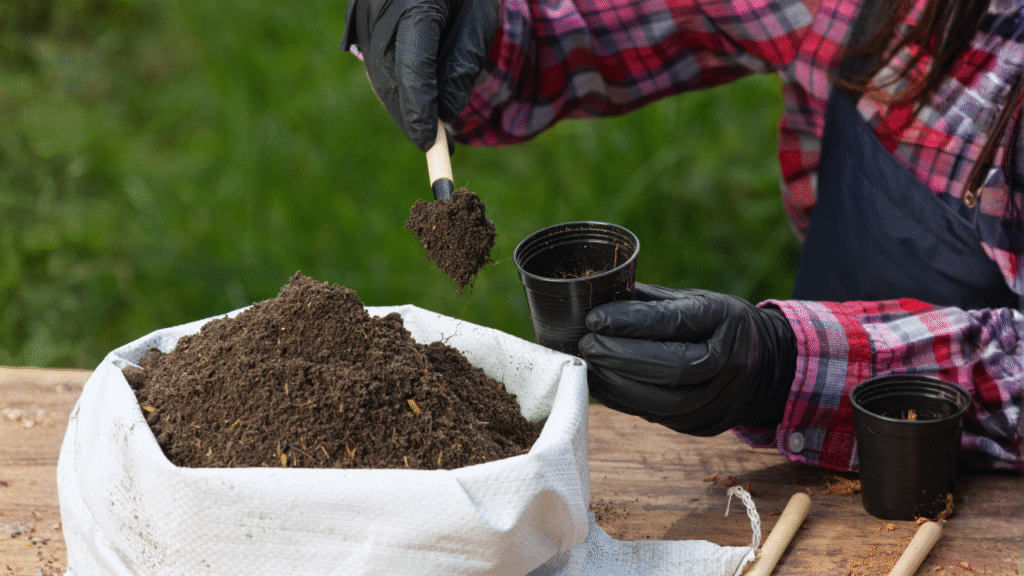
NPK guidelines and timings
A typical fertiliser schedule: higher nitrogen in spring and summer for growth (e.g., N-P-K 20-5-10 type mixes), reduce in late autumn. Split feedings small, regular doses often work better than one heavy dose.
Organic vs. synthetic fertilizers
Organics (compost, bone meal) improve soil life gradually. Synthetics give faster visible growth. A mix of both is balanced.
Common micronutrient deficiencies
Yellowing could indicate iron or nitrogen issues. A soil test helps pin down exact deficiencies before you treat.
Common Pests and Diseases (Identification & Control) In Doob Grass

Pests (grubs, mole crickets, etc.)
Grubs eat roots and cause patchy dead areas. Mole crickets and armyworms can also create thin spots. Early detection and targeted treatment keep them in check.
Diseases (brown patch, rust, etc.)
Fungal diseases like brown patch love warm, wet conditions. Good drainage, proper mowing, and responsible watering reduce risk.
Integrated pest management tips
Start with cultural controls healthy soil, proper mowing, and watering then use biological controls and, if necessary, targeted pesticides. Think prevention > cure.
Doob Grass Lawn Repair & Renovation
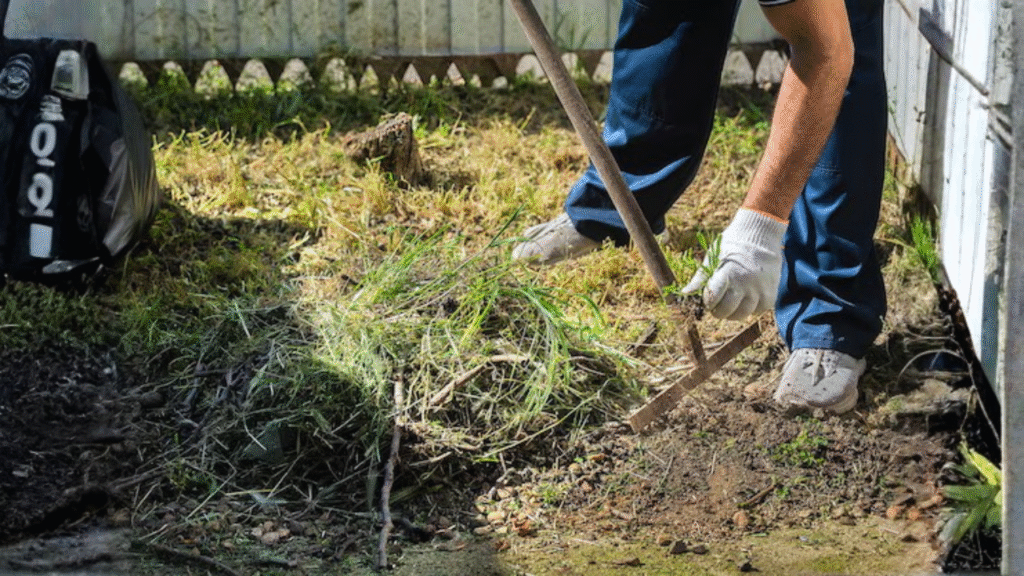
Patch repair steps
- Remove dead grass and loosen soil.
- Add topsoil + compost.
- Seed or lay a small sod piece.
- Keep moist until rooted.
Overseeding and dethatching
If your lawn thins, dethatch to remove the mat of dead material, then overseed to boost density.
When to renovate fully
If more than 30–40% of the lawn is failing, a full renovation (strip, grade, replant) may be more cost-effective than piecemeal fixes.
Doob Grass vs Other Lawn Grasses
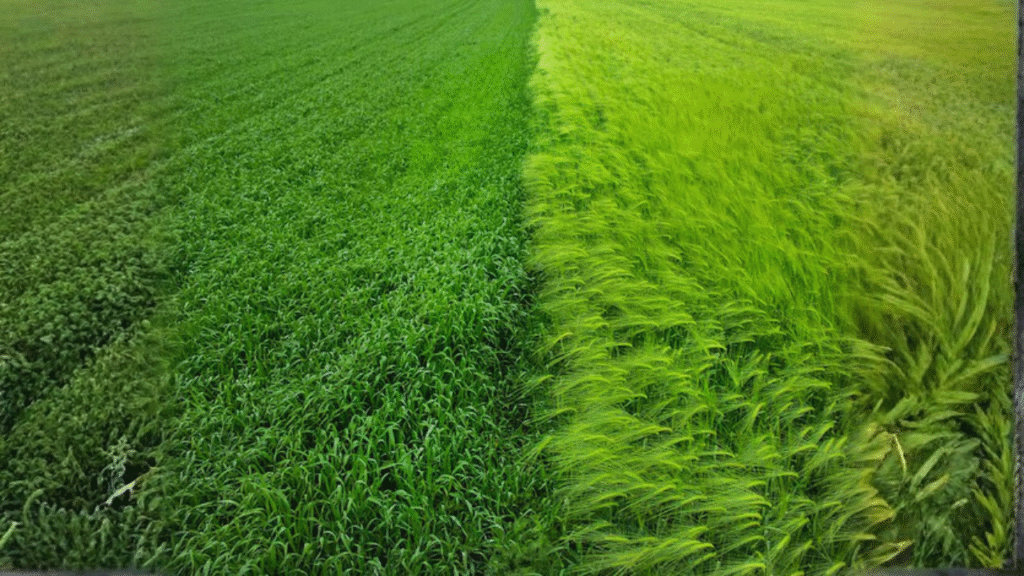
Doob vs Zoysia
Zoysia grows slower, forms a dense carpet, and needs less frequent mowing, but is often more expensive. Doob is faster to recover and handles heavy use better.
Doob vs Buffalo grass
Buffalo grass likes cooler climates and shade better than doob. Doob wins in high-traffic, sunny areas.
Doob vs Perennial ryegrass
Perennial ryegrasses are cool-season and greener in winters. If you want year-round green in cooler climates, ryegrass may be better; for hot summers, doob is superior.
Eco-Friendly & Practical Uses of Doob Grass
Erosion control
Thanks to its network of rhizomes and stolon’s, doob is excellent at stabilizing slopes and preventing soil erosion.
Pet-friendly lawns
Doob tolerates rough play and recovers quickly, making it a favourite for pet owners. Still, regular maintenance is needed to manage wear and Odors.
Sports fields & parks
Its rapid recovery and hardness make doob a go-to for community sports grounds and parks where foot traffic is heavy.
Maintenance of Door Grass
Maintenance Calendar Month-by-Month Checklist
- Spring: Scarify, fertilize, start mowing schedule.
- Summer: Regular watering, frequent mowing, watch for pests.
- Monsoon (in India): Improve drainage, reduce watering, monitor fungal issues.
- Autumn/Winter: Reduce nitrogen applications, lower mowing frequency, overseed if needed in milder regions.
(Adjust timings to your local climate and rainfall patterns.)
Troubleshooting: Quick Fixes for Common Problems
- Thin, patchy lawn: Overseed, improve soil fertility, reduce shade.
- Yellowing grass: Test soil; likely nitrogen deficiency or overwatering.
- Brown patches in hot weather: Check irrigation – could be heat stress; water deeply earlier in the morning.
- Weeds taking over: Mow regularly and apply pre- or post-emergent herbicides responsibly; hand-pull where possible.
Conclusion
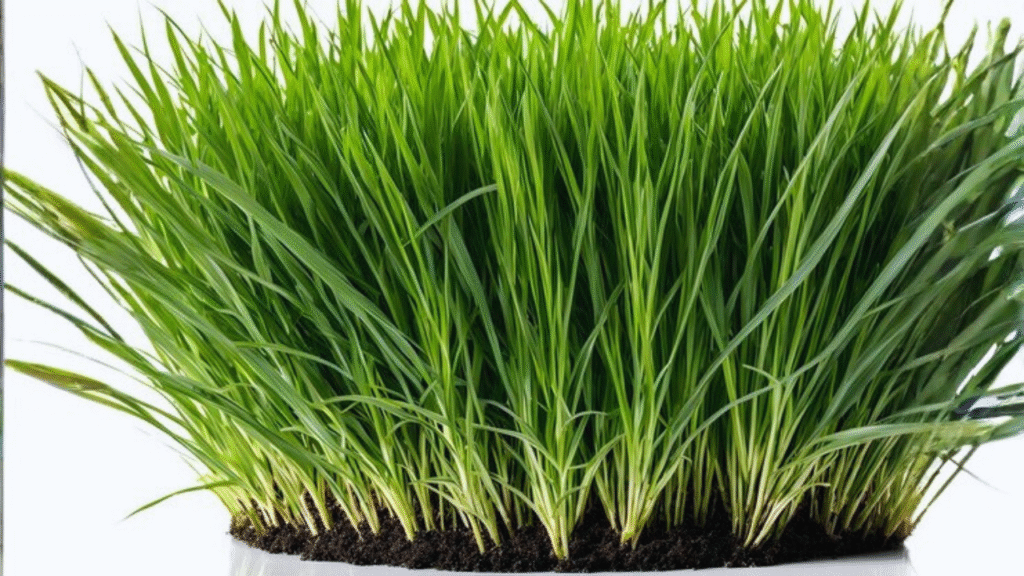
Doob grass truly feels like that reliable old friend we all lean on strong, flexible, and always ready to bounce back no matter what life throws at it. Whether you’re building a cozy home lawn, maintaining a park, or creating a play-friendly space for kids and pets, doob grass fits in perfectly. It doesn’t demand fancy care routines or expensive products. Give it sunlight, occasional mowing, and the right amount of water, and it happily thrives.
What makes doob grass so lovable is its simplicity. It may not have the luxurious, golf-course look of high-end turf varieties, but it makes up for that with its unbeatable resilience and affordability. In warm regions like most of India, where summers are intense and water scarcity is common, doob grass manages to stay green and active when many other grasses struggle.
With the right preparation loose soil, proper irrigation, and a bit of seasonal fertilizing this humble grass transforms into a soft, inviting green carpet. It’s perfect for weekend family picnics, children running around barefoot, morning yoga sessions, or simply relaxing outdoors after a long day.
In short, if you want a lawn that’s easy-going, budget-friendly, and tough enough to handle everyday life, doob grass is one of the smartest choices you can make. Treat it well, and it will reward you with years of fresh greenery, comfort, and natural beauty right outside your doorstep.
Frequently Asked Questions About Doob Grass
Q1: Is doob grass good for balconies and small pots?
A1: Doob prefers ground space and sunlight. For balcony lawns, container-tolerant grasses or turf alternatives (like Zoysia or dwarf varieties) and modular turf boxes are often better. If your balcony gets full sun and has shallow planters, doob can be used but needs regular watering and soil depth of at least 15–20 cm.
Q2: How long does it take for doob grass to establish?
A2: From seed it can take 4–8 weeks to germinate and several months to fully establish. Sod is instant but still needs 2–4 weeks to anchor; sprigging is intermediate visible coverage in a month or two, fuller lawn by the next growing season.
Q3: Can doob withstand drought?
A3: Yes, compared to many cool-season grasses, doob is drought-tolerant once mature. Deep, infrequent watering helps roots grow deeper and improves drought survival.
Q4: How do I make doob grass greener and thicker?
A4: Regular fertilization with balanced N-rich feeds in the growing season, correct mowing height, good soil aeration, overseeding thin areas, and proper watering will all help create a denser, greener lawn.
Q5: Is doob grass good for pets and kids?
A5: Absolutely, it’s durable and recovers quickly from play. For pet owners, maintain routine cleaning and airflow, and consider frequent spot watering to dilute urine salts. Regular maintenance ensures longevity under heavy use.