
Winter Flowers in India - A Friendly, Practical Guide
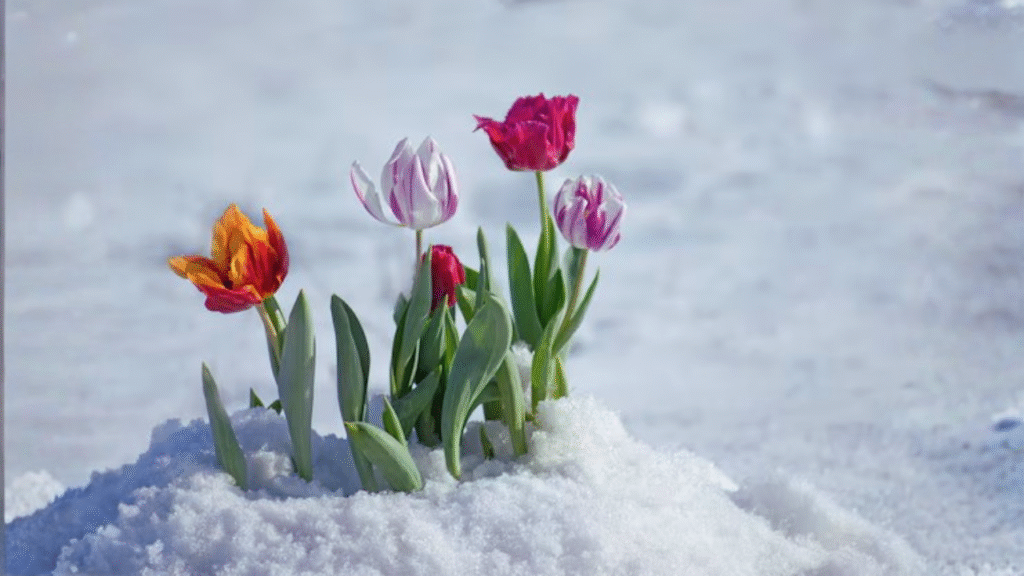
Why Winter is the Best Time to Flower-Watch and Garden in India
Winter in India feels like a gentle pause button for both nature and gardeners. The days are cooler, the sunlight is softer, and even the soil seems calmer. Unlike the harsh heat of summer or the unpredictable rains of the monsoon, winter brings a steady rhythm perfect for blooming flowers. It’s almost as if nature puts out a welcome mat and says, “Go ahead, plant something beautiful.”
During these months, pests take a break, humidity drops, and most flowering plants get exactly what they crave: bright sun with cool air. This is why winter gardens often look the most colourful. From balconies dotted with petunias to terraces glowing with marigolds and balconies bursting with pansies, winter flowers transform even the smallest corner into a cheerful spot.
And the best part? Winter gardening isn’t just for experts. Whether you’re someone who proudly nurtures a full garden or a beginner caring for your first tiny pot, winter offers a forgiving, friendly window to explore. The blooms come faster, the maintenance is simpler, and the results well, they’re stunning.
This guide takes you through everything you need to know about winter flowers in India: which ones to grow, how to care for them, and how to keep your garden blooming from November right through March. Think of it as your companion for creating a bright, happy garden during the coolest and most refreshing months of the year.
Why Winter Flowers Matter in India
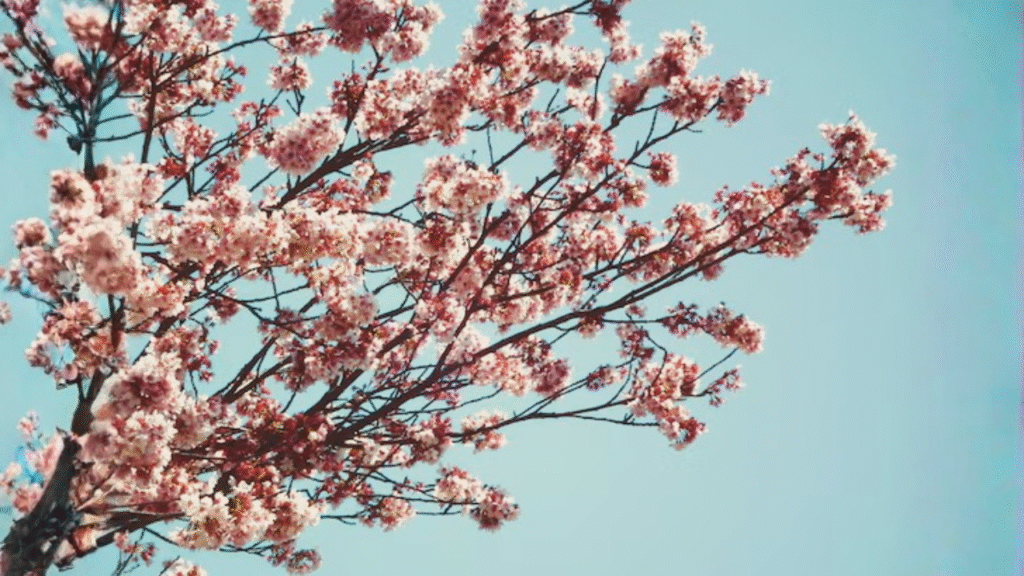
The charm of cool-season blooms
Winter flowers bring colour when many trees are dormant. They lift moods, attract pollinators, and offer cut flowers for festivals and homes. Think of them as the fireworks of the garden short-lived but spectacular.
Climate zones and winter timing across India
India’s a big place: Delhi, Kerala, and Bangalore experience different winters. In northern plains, winter is cooler and drier; hill stations get chillier nights; coastal regions have milder temperatures. Most winter-flowering plants thrive when daytime temperatures sit between 10–25°C and nights don’t dip to extreme frost.
Top 12 Winter Flowers to Grow in India
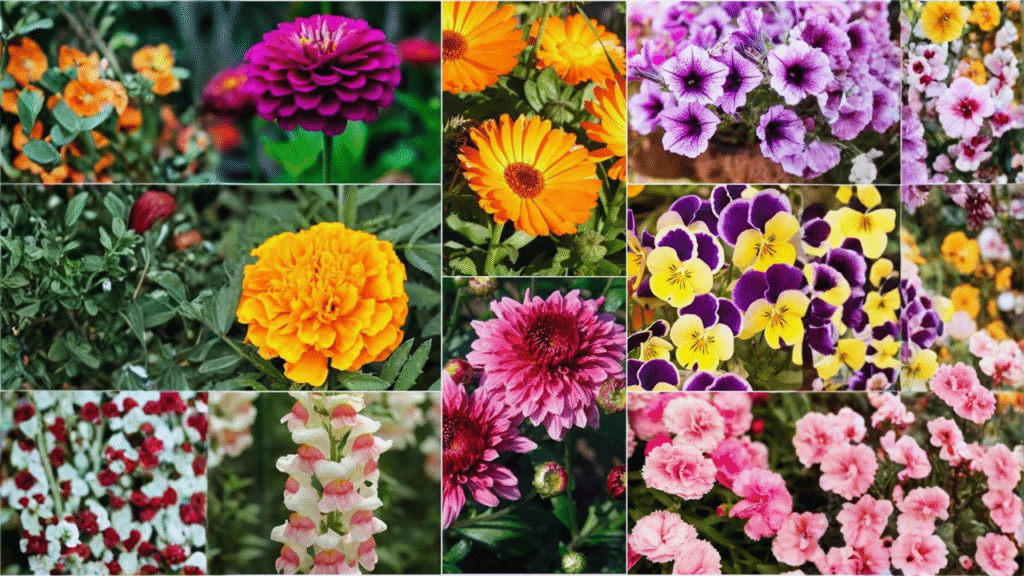
Here are reliable choices that suit Indian winters. I’ll mention what makes each one great and a quick care tip.
Chrysanthemum (Guldaudi)
A classic winter star chrysanthemums come in many shapes and colours. They’re perfect for beds and pots and are widely used in garlands. Tip: they love full sun and regular deadheading for more blooms.
Pansy / Viola
Pansies are playful-faced flowers perfect for borders and containers. They tolerate cold and give long-lasting colour. Tip: shelter them from harsh afternoon heat in warmer zones.
Petunia
Petunias explode with blooms and fill containers beautifully. They prefer full sun and regular feeding to keep the carpet of flowers going. Tip: pinch back leggy stems to encourage bushy growth.
Calendula (Pot Marigold)
Hardy, medicinal, and edible calendula’s bright orange and yellow flowers bloom through cool months. Tip: sow directly in well-drained soil and harvest petals for teas or salads.
Marigold (Tagetes)
A go-to for Indian gardens: affordable, bloom-heavy, and great for festival decorations. Tip: they tolerate a range of soils but prefer full sun and moderate watering.
Dianthus & Carnations
Dianthus (and their close cousins, carnations) give spicy fragrance and neat blooms. They do well in beds and containers. Tip: lean soil and plenty of sunlight help produce strong stems.
Aster
Asters add daisy-like charm with late-winter blooms. They’re great for borders and pollinator gardens. Tip: avoid wet feet good drainage is key.
Primrose
Primroses are soft, low-growing, and perfect for shady spots or under trees. Tip: keep soil cool and moist; mulch lightly to preserve moisture.
Stock (Matthiola)
Stock flowers are scented and appear in cool months wonderful near windows or patios. Tip: they like cool nights; too much heat shortens bloom time.
Geranium (Pelargonium)
Geraniums are resilient and bloom profusely in cool seasons in India. They’re perfect for window boxes and balcony pots. Tip: remove spent flowers to encourage continuous blooming.
Snapdragon (Antirrhinum)
Snapdragons give vertical interest with tall flower spikes and come back reliably in winter beds. Tip: stake taller varieties to prevent wind damage.
Sweet Alyssum
Tiny, fragrant, and fast-spreading sweet alyssum works as a groundcover or edge plant. Tip: they’re perfect when planted along pathways or in hanging baskets.
How to Choose the Right Winter Flowers for Your Region
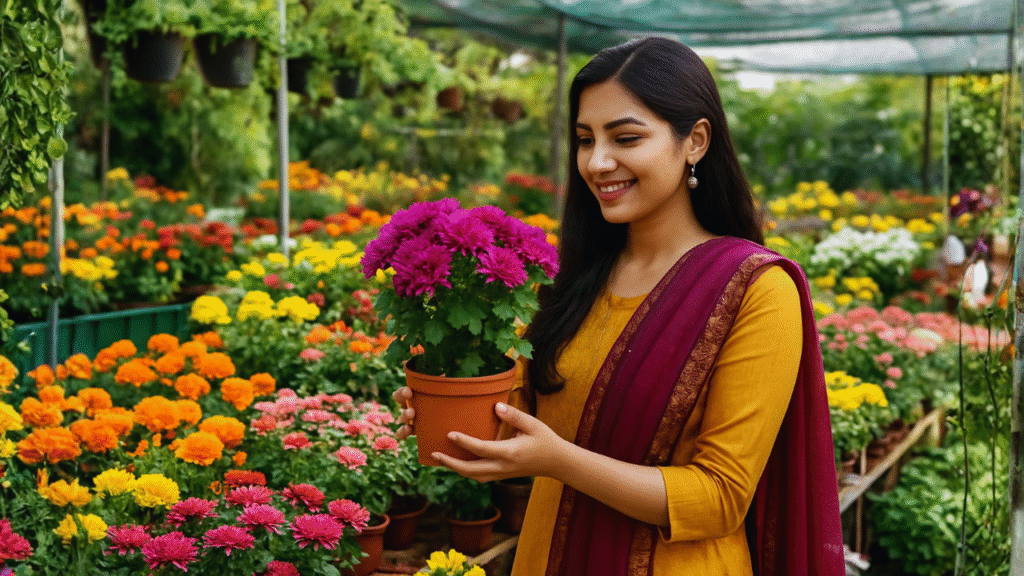
Picking winter flowers isn’t just about what looks pretty it’s also about understanding your local climate. India has diverse weather patterns, so a flower that thrives in Delhi might struggle in Chennai or Mumbai. Here’s a simple, region-wise guide to help you select the perfect cool-season blooms for your space.
For North India (Plains and Hills)
North India enjoys the most “true winter” in the country, especially cities like Delhi, Chandigarh, Lucknow, and Jaipur. Cool days and colder nights make it ideal for classic winter blooms.
Best Choices:
- Chrysanthemums
- Pansies
- Marigolds
- Asters
- Snapdragons
- Dianthus
Why they thrive:
These flowers love bright sunlight and can tolerate the chilly winds common in northern plains. They bloom heavily through December and January, adding vibrant colour to otherwise dull winter landscapes.
Extra tips for hill stations (Shimla, Nainital, Mussoorie):
- Potted plants are more vulnerable to cold, so cover them on freezing nights with light cloth or frost cloth.
- Move sensitive plants toward warmer spots near walls or under balconies.
- Water less frequently, as soil stays moist longer in cold weather.
For Central and Western India
Regions like Gujarat, Rajasthan (excluding colder areas), Madhya Pradesh, and Maharashtra have milder winter days and comfortably cool nights. The temperature rarely drops too low, which means many winters flowers bloom for a longer stretch sometimes up to early April.
Best Choices:
- Calendula
- Petunia
- Marigold
- Ageratum
- Geranium
- Antirrhinum (Snapdragon)
Why they thrive:
These flowers handle warm afternoons well while still enjoying cooler nights. Petunias and calendulas are especially forgiving, making them great for beginners.
Growing tips:
- Choose heat-tolerant varieties because daytime temperatures may rise unexpectedly.
- Water early in the morning to keep roots cool and discourage fungal issues.
- Use mulch around plants to protect moisture and prevent the soil from drying too fast.
For South India and Coastal Areas
Cities like Chennai, Bangalore, Kochi, Hyderabad, and Goa experience mild winters without major temperature drops. Humidity stays higher, especially near the coast, so not all classic winter flowers adapt well here.
Best Choices:
- Geraniums
- Petunias
- Carnations
- Portulaca (in sunnier spots)
- Zinnias (late winter)
- Alyssum
Why they thrive:
These plants perform well in mild weather and don’t require true “cold hours.” They continue to flower even when nights remain warm.
What to avoid:
Cold-loving bulbs like tulips, daffodils, or hyacinths usually fail because they need a strong chill period to bloom. Unless you live in a higher-altitude region like Ooty or Coorg, skip these.
Extra tips:
- Give plants partial shade during harsh afternoon sun.
- Ensure excellent drainage because coastal humidity can lead to root rot.
- Choose smaller pots for balconies they dry quicker and prevent moisture-related problems.
Soil, Sunlight & Microclimate: The Basics For Winter Flower
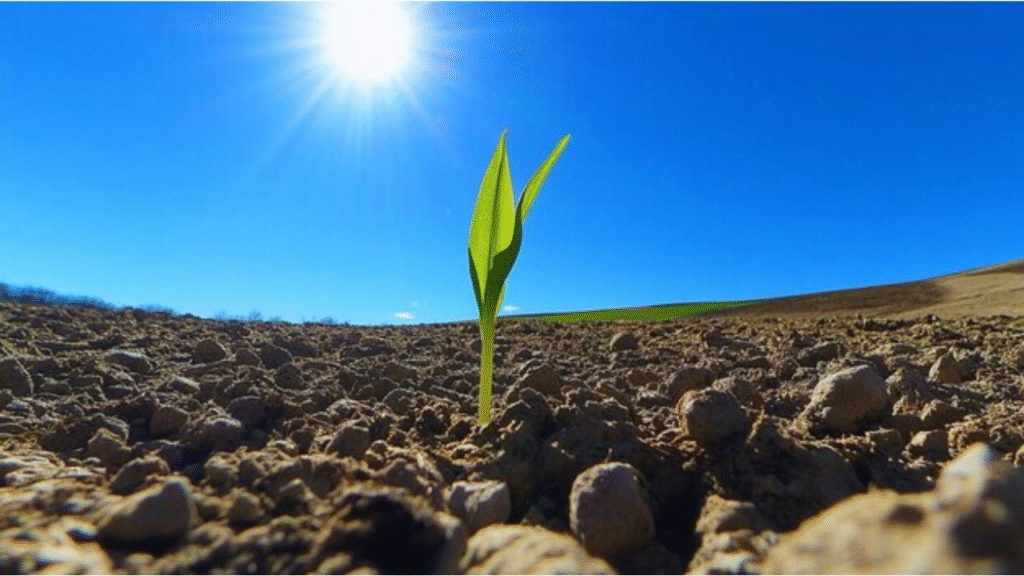
Soil preparation (pH, drainage, organic matter)
Most winter flowers prefer well-drained, fertile soil. Mix in compost or well-rotted manure before planting. Aim for slightly acidic to neutral pH (6.0–7.0) for many species.
Sunlight needs (full sun vs partial shade)
Full-sun bloomers (6+ hours) include marigolds, petunias, and chrysanthemums. Partial-shade lovers include primroses and some varieties of pansy handy for shady balconies.
Creating microclimates for sensitive plants
Use walls, north/south orientation, or group plants to create warmer pockets. Pots can be moved to sunnier spots during colder snaps.
Winter Flower Step-by-Step Planting Guide (Seeds, Seedlings & Bulbs)
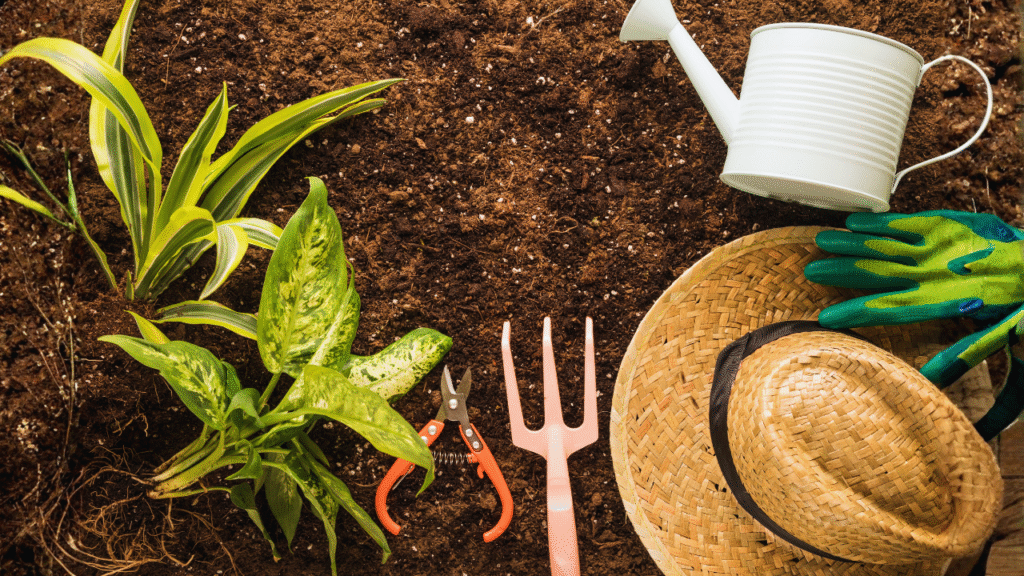
Starting from seeds
- Prepare a seed tray with good seed-starting mix.
- Sow shallow seeds thinly; press gently into the mix.
- Keep warm and moist germination varies from 5 days to several weeks.
- Harden off seedlings by exposing them to outdoor conditions gradually before transplanting.
Transplanting seedlings
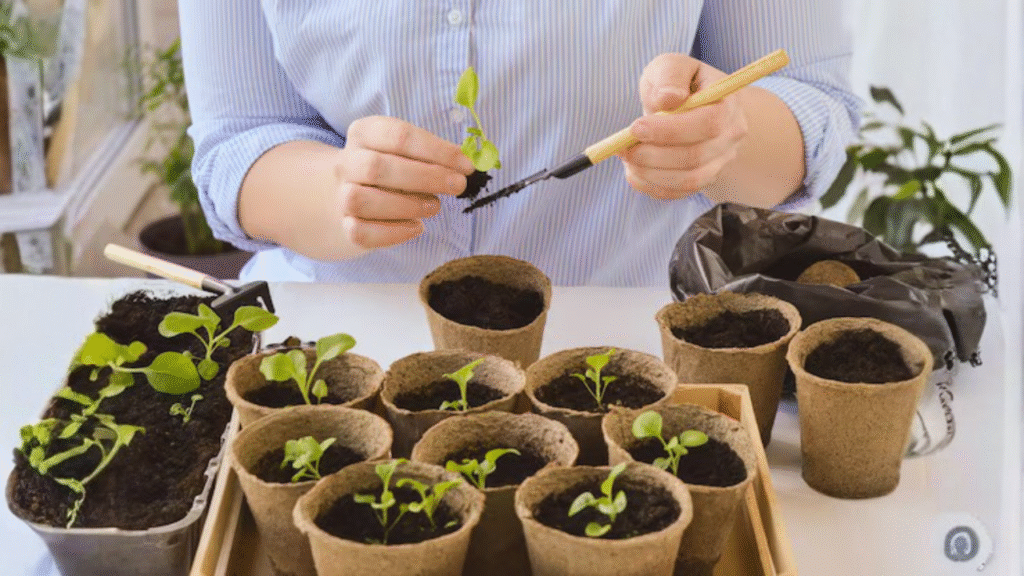
Choose a cloudy day or late afternoon to reduce transplant shock. Plant at the same depth as the nursery pot and water well.
Bulbs and tubers
Some cold-season bulbs (e.g., ranunculi’s in cooler climates) need well-drained soil and a short chill to flower well. Plant per package directions and avoid waterlogging.
Watering, Feeding & Care During Winter
Smart watering in cold months
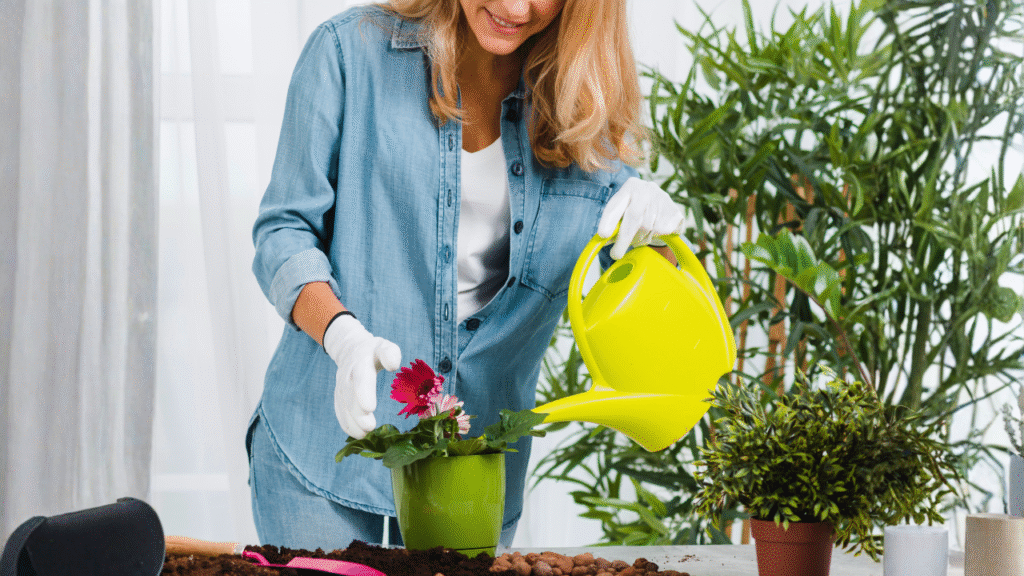
Water less frequently but deeply. Morning watering lets foliage dry during the day and reduces fungal problems. Overwatering in cool months is a common mistake.
Fertilizers and feeding schedule
Use a balanced, slow-release fertilizer at planting. For heavy bloomers, feed a weak liquid fertilizer every 3–4 weeks. Avoid high-nitrogen feeds that encourage leafy growth at the cost of flowers.
Pruning, deadheading & pest checks
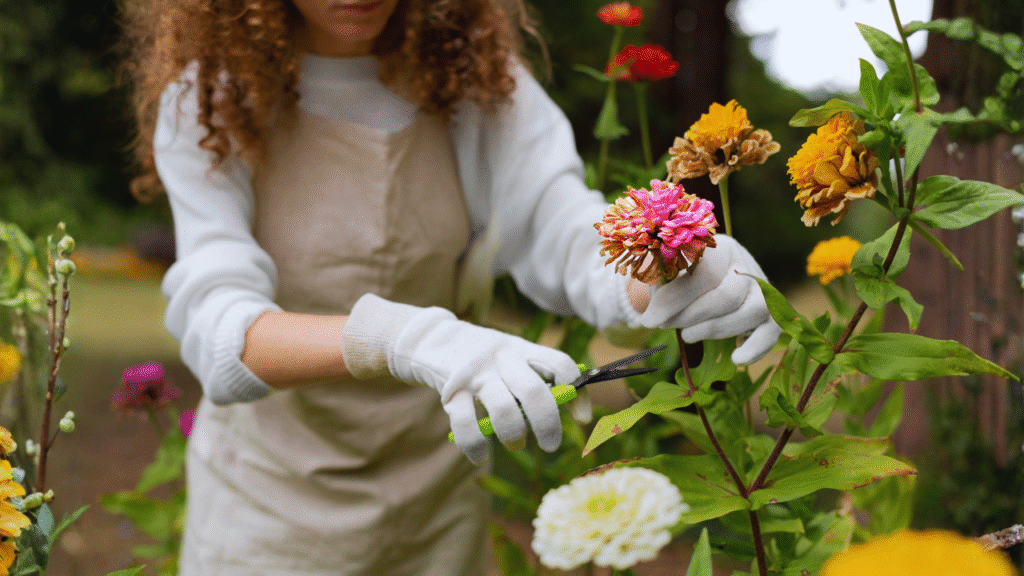
Regular deadheading (removing spent blooms) extends flowering. Check for aphids, slugs, and fungal spots winter pests are slower but still present. A light pruning keeps plants tidy and encourages new blooms.
Container Gardening & Balcony Ideas for Winter Flowers
Best container choices
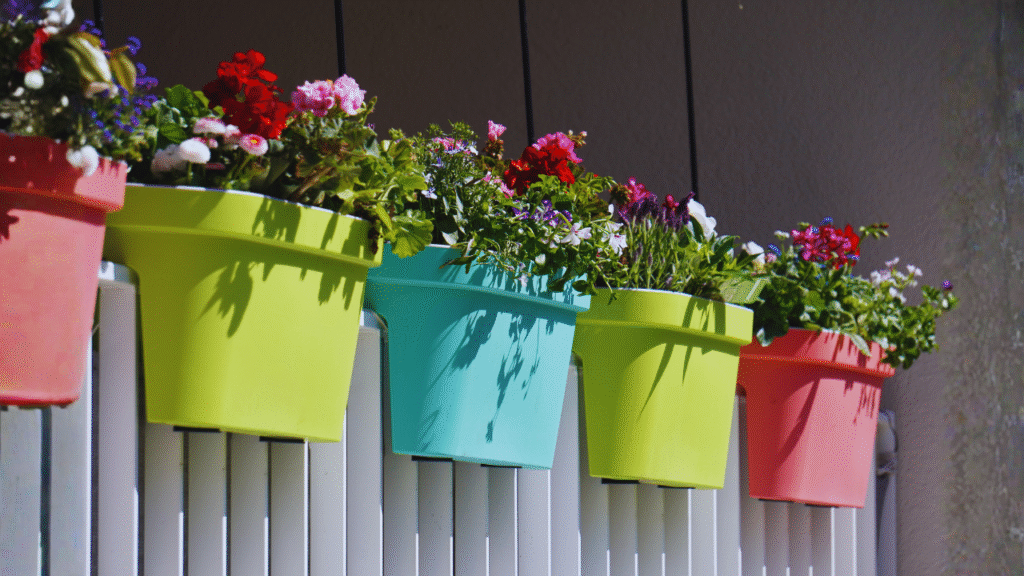
Choose terracotta or plastic pots with drainage holes. Bigger pots dry slower and reduce root temperature swings.
Soil mixes and drainage for pots
Use a mix of garden soil, cocopeat or compost, and coarse sand/perlite to improve drainage. A layer of gravel at the bottom is optional better to focus on mix quality.
Design combos: colour, height and texture
Combine tall plants (snapdragons) at the back or centre, medium (geraniums) in the middle, and low spillers (alyssum, pansies) at the edges. Think in threes three tonal repeats create visual harmony.
Eco-friendly Tips for a Low-Maintenance Winter Flower Garden
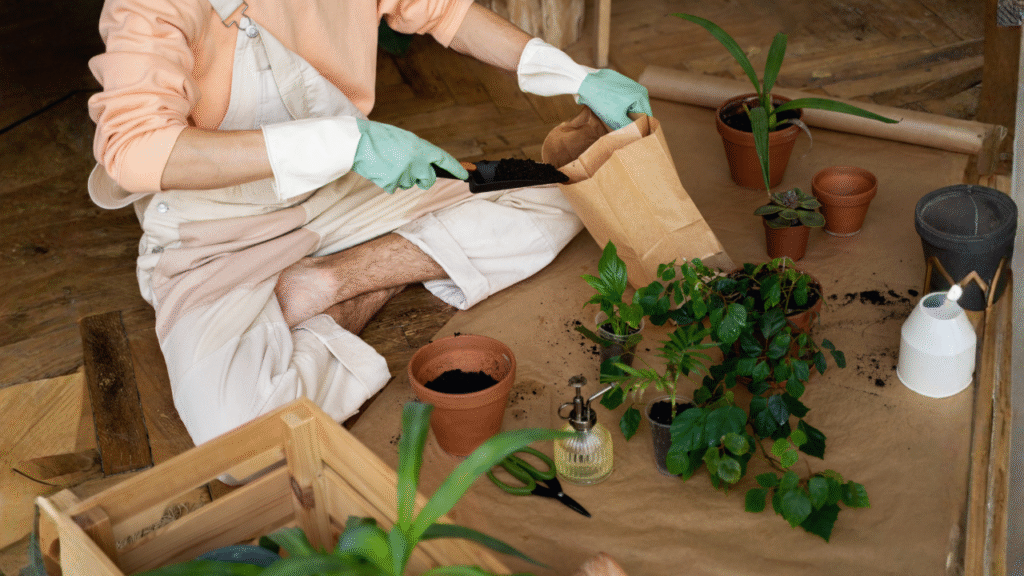
Creating a winter garden that looks beautiful and cares for the environment isn’t as complicated as it sounds. A few mindful choices can reduce your workload, save water, and make your garden healthier in the long run. Think of it as giving your plants a cozy winter blanket while also helping nature thrive.
Mulch, Compost, and Water Conservation
Mulching is hands down one of the easiest ways to build an eco-friendly winter garden. When you spread organic mulch like dried leaves, sugarcane bagasse, wood chips, or even grass clippings over the soil, it acts like a protective shield. This natural layer locks in moisture, prevents weeds from sprouting, and keeps the soil temperature steady during cold spells. It’s almost like tucking your garden into bed for the season.
Compost, on the other hand, is pure gold for your plants. Instead of throwing out kitchen scraps like fruit peels, vegetable waste, or coffee grounds, turn them into nutrient-rich compost. Adding compost to your soil slowly releases nutrients, improves soil structure, and reduces your reliance on chemical fertilizers. The best part? Healthy soil retains moisture better, meaning you don’t have to water as often perfect for busy gardeners or those who want to save water.
In winter, plants generally need less water, so focus on deep but infrequent watering. Always check the moisture level before watering; if the top layer of soil is still damp, your plants are good to go. This not only conserves water but also prevents root rot, which is more common in cold months.
Native Alternatives and Biodiversity
If you truly want a low-maintenance garden that supports the environment, native winter-blooming plants are your best friends. These plants are naturally adapted to your local climate, meaning they require less water, fewer fertilizers, and almost no pampering. They’re hardy, resilient, and far better at dealing with temperature fluctuations than exotic varieties.
Planting native species also boosts biodiversity. Local flowers and shrubs attract pollinators like bees, butterflies, and small birds who rely on winter blooms for nectar and shelter. This creates a healthy mini-ecosystem right in your backyard or balcony. Plus, watching colourful butterflies or tiny sunbirds visit your garden adds a magical touch to the winter season.
Look for native plants that thrive in your region. For example, in North India, species like Indian marigolds, cosmos, or native asters do wonderfully in winter. In southern regions, native hibiscus and wild lantana varieties attract loads of pollinators. By choosing plants that genuinely belong to your soil, you’re not just gardening you’re giving back to nature.
Companion Planting & Pollinator Attraction
Which flowers attract bees and butterflies
Asters, stock, calendula, and sweet alyssum are excellent at attracting pollinators. Even in winter, you can create nectar pockets for bees and butterflies.
Companion plants for pest control
Marigolds often deter nematodes; alyssum attracts beneficial insects. Pairing herbs like calendula or mint (in separate pots) can reduce pests naturally.
Common Problems & Quick Fixes For Winter Flower
Cold injury and frost protection
Frost can damage sensitive blooms. Use light cloth covers at night or move pots close to house walls. Mulch reduces soil temperature swings.
Yellowing leaves, poor blooms, pests
Yellowing could mean overwatering, poor drainage, or nutrient deficiency. Test watering habits first; if soil is soggy, cut back water and improve drainage. For pests, try insecticidal soaps or neem oil safe and effective when used correctly.
Seasonal Calendar: What to Plant When
October — November
Start sowing pansies, petunias, marigolds, and calendula. Plant seedlings in beds and containers.
December — January
Perfect time for transplanting established seedlings and for planting bulbs that need cool weather.
February — March
Continue planting early spring bloomers and begin prepping for the transition to summer remove spent plants and top up soil with compost.
Conclusion
Winter in India truly feels like a gift to every gardener. As the scorching heat fades and cool winds start to settle in, the entire season becomes a refreshing invitation to step outdoors and reconnect with nature. The cooler temperatures not only make gardening more enjoyable but also create the perfect environment for flowers to thrive without much effort. With fewer pests, slower weed growth, and longer-lasting blooms, winter becomes the easiest and most rewarding season for anyone who loves plants.
Whether you adore the bright cheerfulness of marigolds and chrysanthemums or prefer the soft, delicate charm of pansies, primroses, and alyssum, winter offers a flower for every type of garden and every style of gardener. Big backyard, small balcony, shaded corner, or a sunny terrace there’s always room for at least one winter bloomer to add colour and joy.
The real magic, though, lies in the basics: preparing healthy soil, watering wisely, and selecting the right plants for your climate. When these simple steps come together, your garden transforms into a vibrant winter paradise filled with colour, fragrance, and life. These flowers don’t just brighten your space they also support pollinators, attract butterflies, and uplift your mood each time you step outside.
So this winter, don’t wait. Pick up a handful of seeds or a couple of seedlings, choose a sunny spot, and let nature take over. With a little care and a lot of love, your winter garden will bloom beautifully bringing warmth, beauty, and peace to your home all season long.
Frequently Asked Questions About Winter Flowers
- When is the best time to plant winter flowers in India?
The ideal window is usually October to November for sowing and transplanting in most regions. This gives seedlings time to establish before the coolest months (December–January), and many plants will flower through winter into early spring.
- Do winter flowers need full sun?
Some do (marigolds, petunias, chrysanthemums), while others prefer partial shade (primroses, some pansies). Check the specific plant’s needs if in doubt, aim for at least 4–6 hours of morning sun.
- How often should I water winter flowering plants?
Water deeply but less frequently than in summer. Typically, once the top 2–3 cm of soil dries out, water. In cool weather this could be every 5–10 days depending on pot size and local climate.
- Can I grow winter flowers on a balcony or terrace in an apartment?
Absolutely. Use containers with good drainage, a light potting mix, and arrange plants by height and light needs. Move pots to a sunnier spot on cold nights if needed.
- What are low-maintenance winter flowers for beginners?
Start with marigolds, calendula, and pansies they’re forgiving, affordable, and bloom reliably with basic care.