
The Ultimate Guide to Choosing the Right Grass Cutting Tools for Your Lawn

Why The Right Grass Cutting Tools Matter
Have you ever tried painting a wall with a toothbrush? It would take forever and still look messy, right? The same logic applies to your lawn. Using the wrong grass cutting tool not only wastes your time and energy but also harms your grass in the long run. The right equipment transforms lawn care from a frustrating chore into a smooth, satisfying task.
When you choose the right Grass Cutting Tools, you get a cleaner cut that promotes healthier growth. Sharp, well-designed tools slice grass blades neatly, preventing damage that can lead to brown tips, pest infestations, or fungal problems. This means your lawn not only looks lush and green but also stays strong from the roots up.
The right tools also save you effort. Instead of fighting with dull blades or awkward equipment, you’ll move efficiently, trimming evenly and reaching every corner with ease. Whether you have a small balcony patch, a cozy front yard, or a large garden, selecting tools that suit your lawn size and grass type makes all the difference.
Ultimately, good grass cutting tools are an investment in both time and beauty. They give your lawn that clean, professional look while keeping it healthy and vibrant a perfect space to relax, play, or simply enjoy nature right outside your door.
Types of Grass Cutting Tools
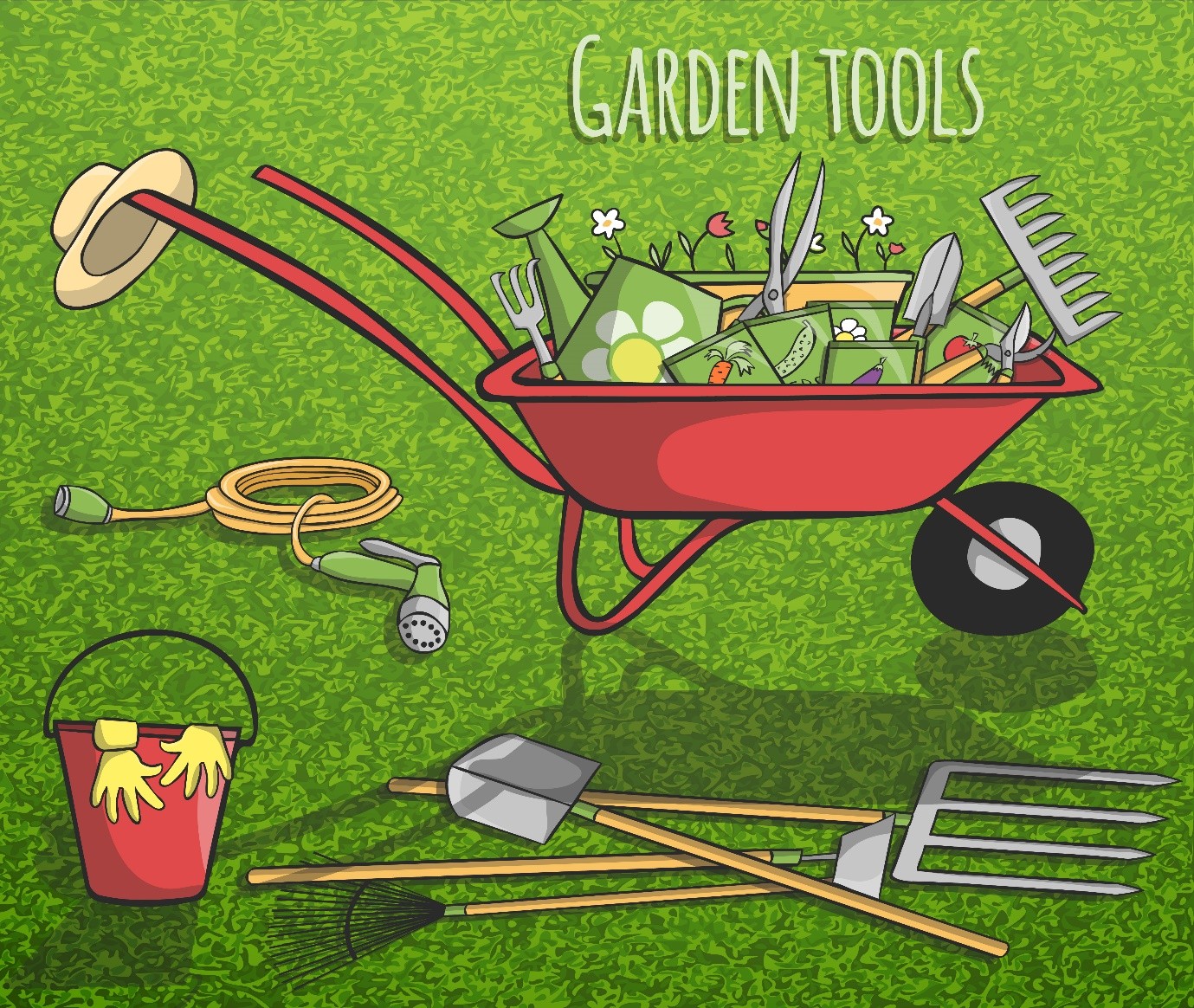
There’s a tool for every lawn need: heavy-duty mowers for big spaces, delicate shears for tricky corners, trimmers for borders, and robotic helpers for people who love tech (or hate weeding). This guide breaks each type down, explains when to use it, and gives practical, no-fluff advice so you can pick what actually fits your yard and lifestyle.
Lawn Mowers
Push Reel Mowers
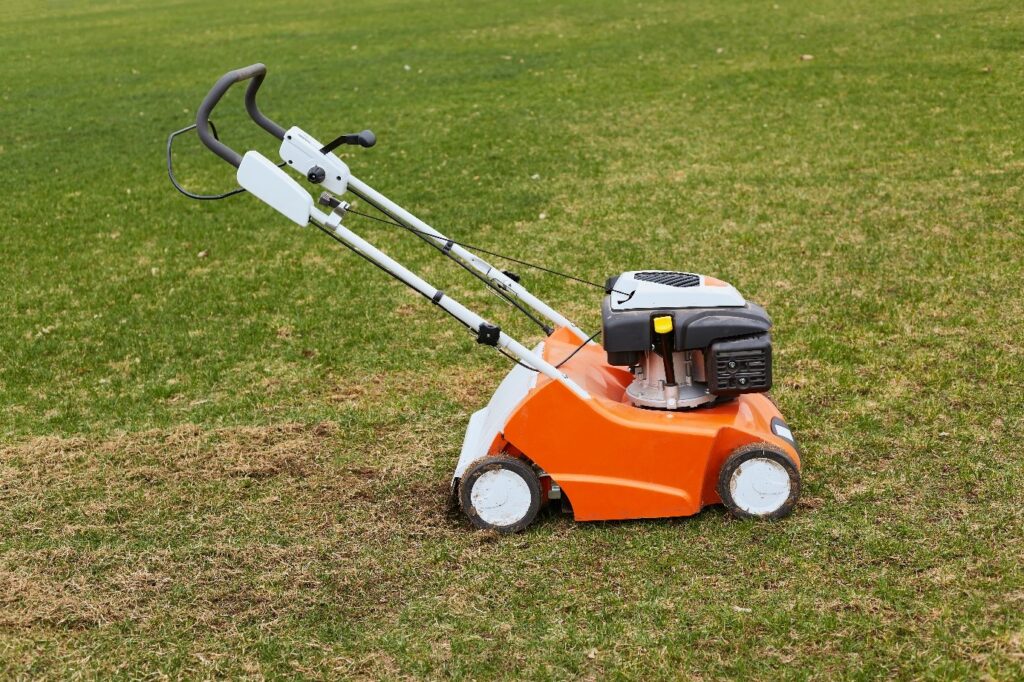
Think of reel mowers like a pair of tiny scissors that roll across the grass. They’re lightweight, nearly silent, and great for small, flat lawns. No fuel, no battery — just human power. Reel mowers give a clean cut (better for grass health) but need more elbow grease and regular sharpening.
Rotary (Gas/Electric) Mowers
The workhorse of lawns. Rotary mowers use a fast-spinning blade that slices the grass. Gas versions are powerful and durable for larger areas; electric and battery models are cleaner and quieter. If your lawn is uneven, or has thick patches, a rotary mower will handle it better than a reel mower.
Robotic Mowers
Imagine a Roomba for your lawn. Robotic mowers quietly run on a schedule, keeping grass at a steady height so you never face an overgrown sea of green. They’re great for busy people and for maintaining small-to-medium, well-defined lawns. Expect a higher upfront cost, but the convenience can be worth it.
Hover Mowers
These float on a cushion of air and are fantastically manoeuvrable brilliant for very uneven lawns or steep slopes. They’re less common, but if your yard has contours and hollows, a hover mower can make life easier.
String Trimmers (Weed Eaters / Line Trimmers)
String trimmers are the yard’s detail artists edging, cutting around trees, walls, and flowerbeds where mowers can’t reach.
Single-line vs. Double-line heads
Single-line heads are lighter and use less line (good for light trimming), while double-line heads cut faster and tackle tougher grass. Double-line is a better pick if your lawn has dense weeds or coarse grass.
Shaft types: Straight vs. Curved
Straight shafts reach further and accept attachments (multi-purpose), making them ideal for larger yards. Curved shafts are lighter and easier to handle for short sessions great for small yards or trimming around a few obstacles.
Hedge and Grass Shears

Manual hand shears
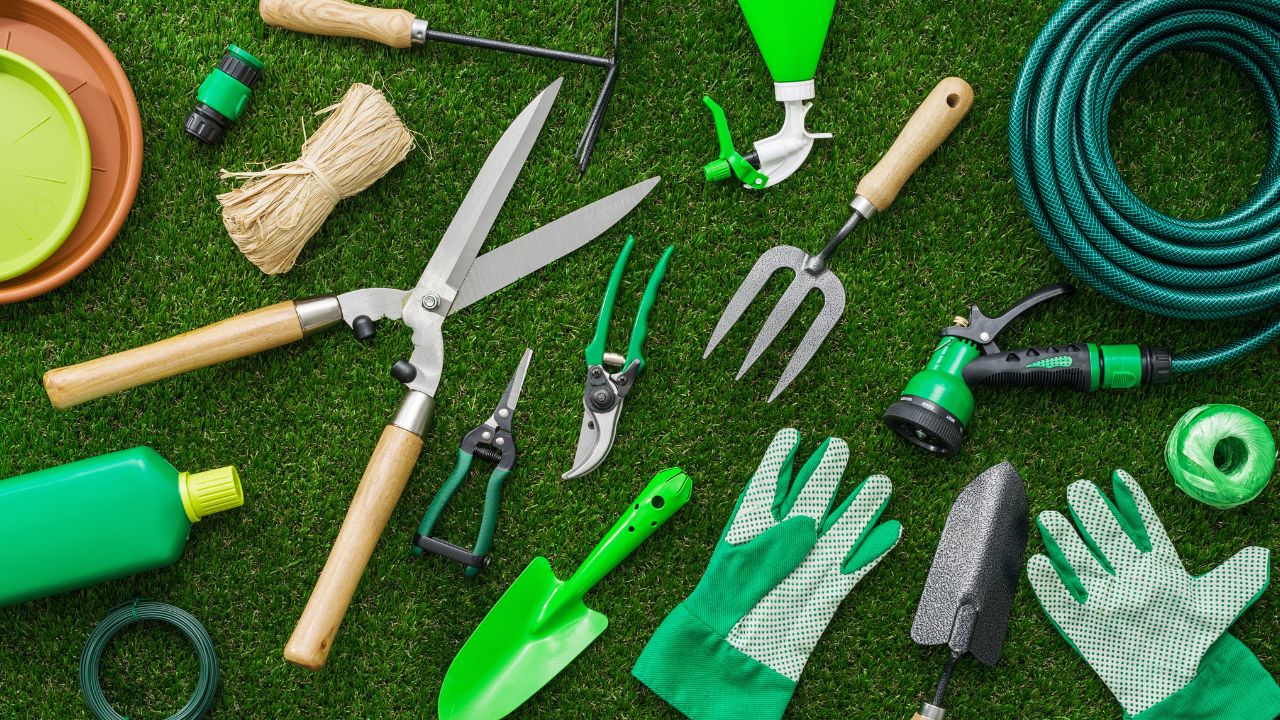
Simple, quiet, and precise hand shears are perfect for tiny patches and ornamental edges. They require effort but offer the most control for neatening lawn borders, topiary, and between pavers.
Powered grass shears
Battery-powered shears speed up low, precise work and reduce wrist strain. Use them for trimming along flowerbeds and patios where you need a tidy finish without the bulk of a trimmer.
Lawn Edgers and Borders
Edging transforms the look of a lawn from “mown” to “manicured.”
Manual edging tools
A half-moon edger or a spade can create crisp borders. They’re cheap, low-tech, and excellent if you prefer a precise, controlled cut.
Powered edgers and oscillating models
Powered edgers make quick work of deep, neat kerbs between lawn and walkways. Oscillating models are safer on delicate borders and can double as trenching tools for planting.
Scarifiers and Lawn Aerators
Grass Collectors, Leaf Vacuums, and Mulchers
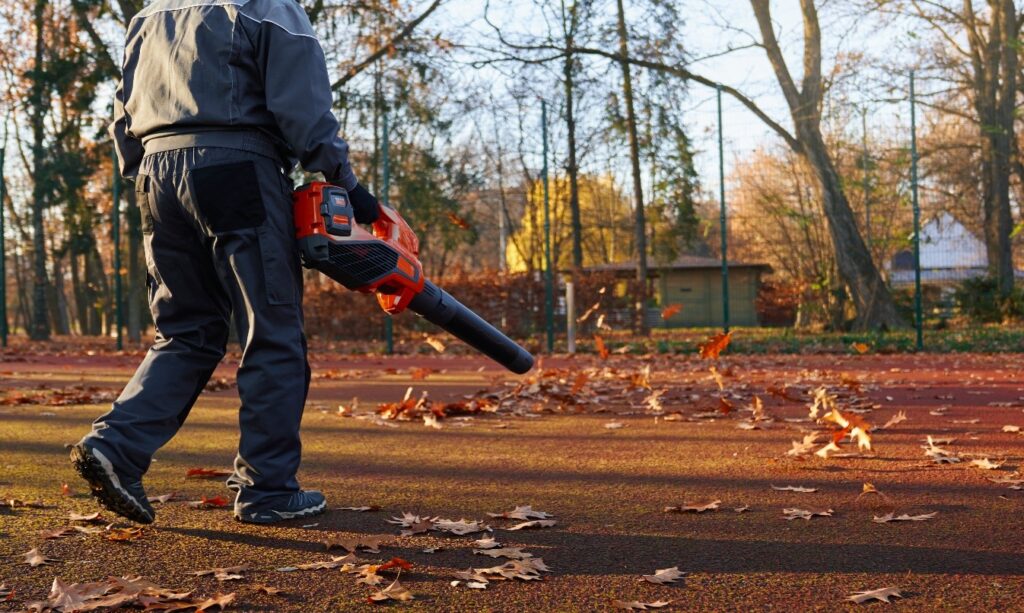
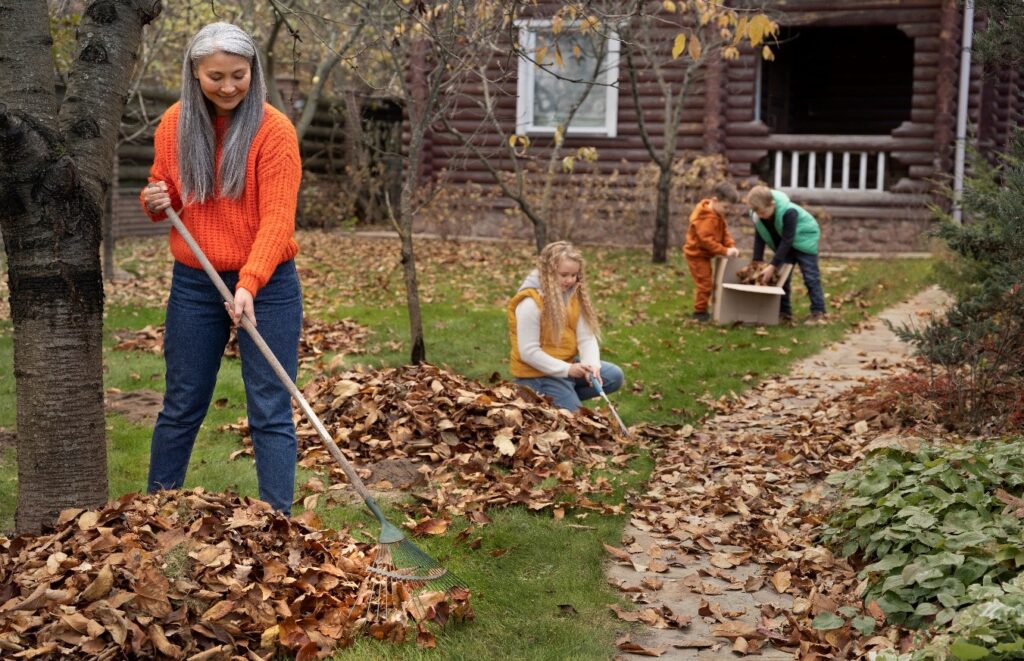
Bagging vs. mulching vs. side-discharge
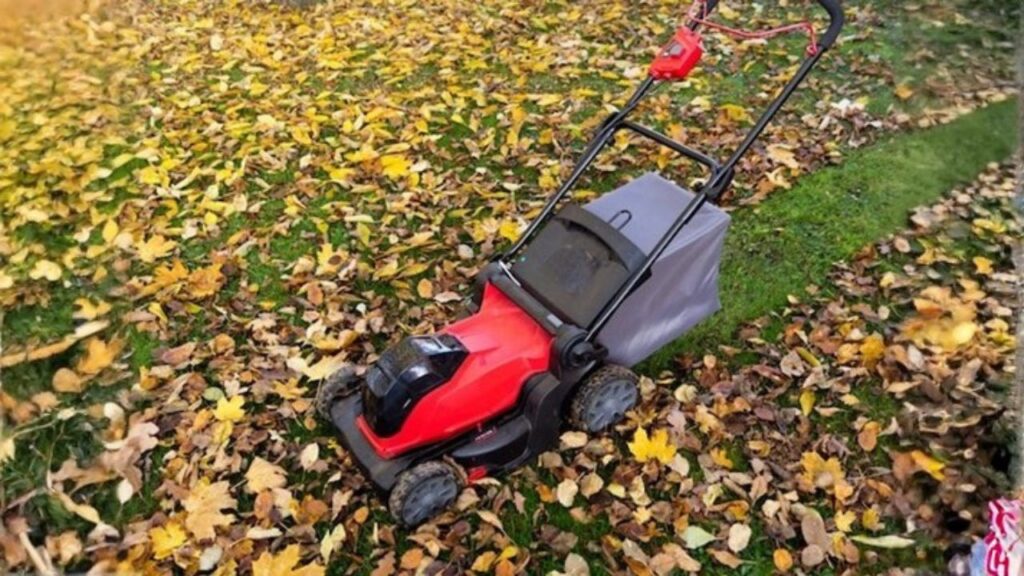
- Bagging: Collects clippings for tidy looks and composting. Best when you want a neat finish or to remove heavy debris.
- Mulching: Recycles clippings to feed the lawn. Good for steady maintenance and soil health.
- Side-discharge: Quick and simple; good on rougher lawns where finish is less important.
Choose based on whether you want the clean look (bagging), convenience and soil benefits (mulching), or speed (side-discharge).
First, look at how much sunlight your balcony gets. If it’s sunny, you can grow flowers like marigolds and petunias, or herbs like basil and rosemary. If your balcony is shady, choose plants like ferns, peace lilies, or snake plants they grow well without much sun.
To save space, use hanging pots, wall planters, or rail planters on the balcony grill. Pick light pots so you can move them around easily.
Add a small folding chair or a soft floor cushion so you can sit and enjoy your garden. You can also hang fairy lights or place a small lamp to make it look pretty at night.
Water your plants often and keep your balcony clean. With just a little care, your small balcony can become your favorite spot—full of fresh air, green plants, and peace.
Specialty Tools: Brush Cutters, Sickle Bars, Flail Mowers

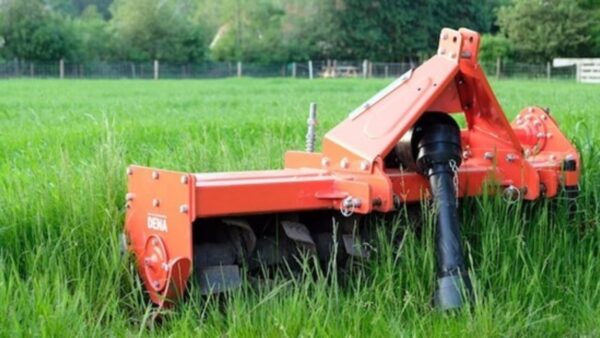
Sometimes, lawns grow wild especially after the rainy season or long gaps between mowing. When regular mowers can’t handle the overgrowth, specialty grass cutting tools come to the rescue. These heavy-duty machines are designed to tackle thick weeds, tall grass, brush, and even small saplings that would jam or damage a regular mower.
Brush cutters are powerful tools equipped with metal blades instead of nylon lines. They slice through dense vegetation, shrubs, and woody stems with ease. Available in both handheld and backpack models, brush cutters are perfect for clearing neglected corners, overgrown fences, or uneven ground where traditional mowers can’t go. They’re often used by professional gardeners and landscapers who need to manage large or rough areas efficiently.
Sickle bar mowers are another strong option for managing tall grass and hay-like fields. They use a reciprocating blade system (similar to a giant pair of scissors) that cuts grass cleanly at the base without shredding it. This makes them ideal for meadows, slopes, and areas where you want to preserve wildlife habitats. Plus, they’re more energy-efficient compared to rotary mowers for large, open fields.
Then there are flail mowers, the heavy hitters of the bunch. These machines use a rotating drum lined with small flails (or blades) that shred everything in their path from tall weeds to thick brush. They’re commonly mounted on tractors or ride-on machines and are great for uneven terrain, orchards, and roadside maintenance. The shredded clippings left behind act as natural mulch, enriching the soil.
In short, brush cutters, sickle bars, and flail mowers are not everyday lawn tools they’re problem-solvers for when your grass has gone beyond control. Whether you’re reclaiming an overgrown yard, managing farmland, or maintaining large properties, these tools deliver the power and precision needed to bring your “green jungle” back to a neat, manageable space.
Safety Gear and Accessories
Gloves, eye and ear protection
Never skip PPE. Safety glasses protect from flying debris; ear protection saves your hearing during long sessions; gloves protect from blisters and roots.
Blade guards, spark guards, and first-aid basics
Keep blade guards in place, check spark plugs on gas engines, and have basic first-aid accessible. A tidy first-aid kit and a phone nearby are simple, smart precautions.
Power Sources: Gas, Corded Electric, Battery, Manual
- Gas: Powerful and mobile; heavier, noisier, and needs maintenance and fuel.
- Corded Electric: Quiet and light, but limited by a cable.
- Battery (Lithium-ion): Quiet, cleaner, and increasingly powerful; battery life and replacement cost are considerations.
- Manual: Eco-friendly and quiet, but labour-intensive.
Which you choose depends on lawn size, terrain, noise rules, storage, and whether you prefer low-maintenance or full control.
How to Choose the Right Tool for Your Lawn

Lawn size
- Under 250 sqm: battery mower or reel mower works well.
- 250–1000 sqm: battery or gas rotary mower is ideal.
- Over 1000 sqm: consider a self-propelled gas mower, ride-on mower, or professional service.
Grass type and terrain
Tough, coarse grasses and slopes Favor rotary or brush-cutting tools. Fine, manicured lawns thrive with reel mowers and regular trimming.
Noise, storage, and budget
If you have neighbours close by, quieter battery or manual tools are considerate. Storage space Favors compact battery tools. Budget wise: batteries and robots cost more up-front; gas mowers often require greater long-term maintenance.
Maintenance Tips to Keep Tools Cutting Clean

Sharpening blades
Sharp blades slice cleanly dull blades tear grass, causing brown tips and disease. Sharpen mower blades at least once per season (more for heavy use) and inspect trimmer lines and shear blades regularly.
Cleaning and winter storage
Remove grass clippings after use, drain fuel before long storage, and store batteries in a cool dry place. Grease moving parts and replace worn lines and belts to extend tool life.
Common Mistakes to Avoid
- Cutting too short (scalping) stresses grass — follow the “one-third rule”: never cut more than one-third of blade height at a time.
- Dull blades — dull equals ragged grass and more disease.
- Ignoring edges — messy edges make the whole lawn look unkempt even if the main area is well-cut.
- Using the wrong tool — e.g., a reel mower on thick, wet grass leads to frustration.
- Poor maintenance — poor care shortens a machine’s lifespan.
Conclusion
Selecting the best grass-cutting tools isn’t just about chasing popular brands it’s about understanding what works for your specific lawn and lifestyle. Every yard has its own personality: the size, slope, and type of grass all influence what equipment will serve you best.
If you enjoy quiet, relaxing weekends and prefer a low-effort approach to lawn care, modern battery-powered mowers and robotic lawn mowers are perfect choices. They’re quieter, easier to maintain, and give you more time to sit back while your yard takes care of itself.
On the other hand, if you value simplicity and want to keep costs to a minimum, a manual reel mower paired with a good set of grass shears can provide excellent results. Although they require a bit more physical effort, they offer precise control and an eco-friendly way to keep your lawn neat without fuel or batteries.
No matter what tools you choose, maintenance is key. Keep blades sharp, clean your equipment regularly, and avoid cutting your grass too short this helps your lawn stay lush and resilient. Also, use specialized tools for edges, corners, and hard-to-reach spots to maintain a polished finish.
When your equipment is well-matched to your needs and properly cared for, your lawn will reward you with healthier growth, fewer weeds, and a consistently tidy appearance all without unnecessary hassle.
FAQ's About Grass Cutting Tools
1. What’s the best tool for a tiny balcony lawn or container grass?
For small balcony lawns or planted containers, use a small hand reel mower (if area permits), powered grass shears, or battery-powered mini-trimmers. Manual hand shears work well for precision and are quiet.
2. How often should I sharpen my mower blades?
For most homeowners, sharpen blades once per season. If you mow frequently or cut through sandy/woody material, sharpen twice per season. Always inspect blades for nicks and damage after heavy use.
3. Are robotic mowers safe for pets and kids?
Yes — modern robotic mowers have sensors and automatic shutoffs when lifted or tipped. However, supervise initial runs, keep kids and pets away until the mower is familiar with boundaries, and ensure your model has obstacle detection.
4. Can I use a reel mower on wet grass?
It’s best to avoid mowing wet grass with a reel mower wet grass clumps and can clog the mower, and wet turf tears more easily. Wait until grass is dry for the cleanest cut.
5. Is mulching better than bagging grass clippings?
Mulching recycles nutrients back into the soil and reduces waste good for regular maintenance. Bagging gives a tidier appearance and is better if you’re removing diseased grass, weeds gone to seed, or if you’re preparing the lawn for renovation.